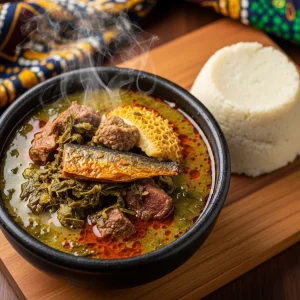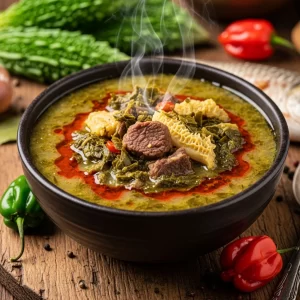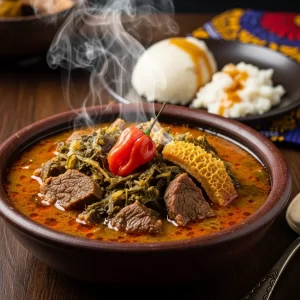

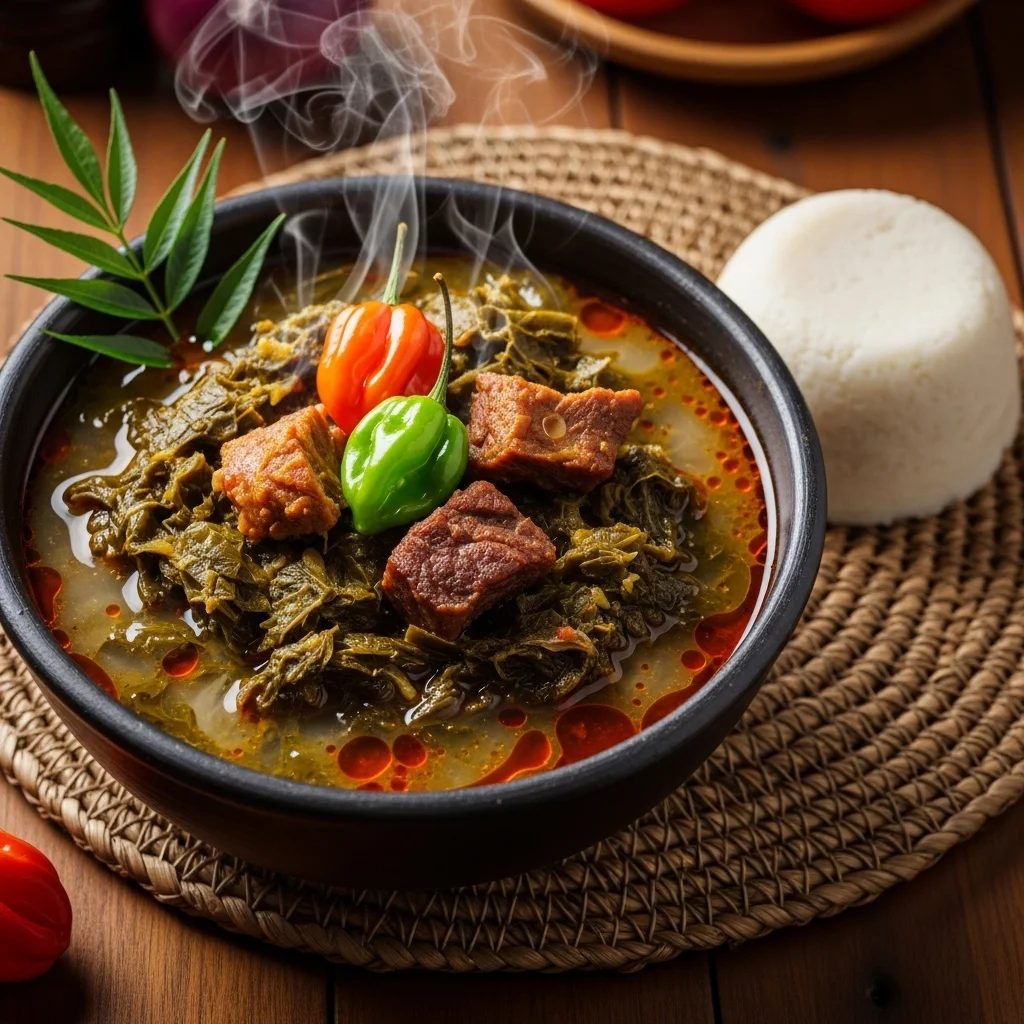
In the vibrant tapestry of Nigerian cuisine, few dishes capture the complex harmony of flavors quite like Bitterleaf Soup.Known locally as “ofe Onugbu,” this beloved delicacy weaves together the sharp tang of bitter leaves with the rich, silky textures of meats, fish, and traditional spices-offering a sensory journey that is both bold and comforting. Rooted deeply in the cultural heartlands of the Igbo people,bitterleaf Soup is more than just a meal; it is a celebration of heritage,resilience,and the exquisite balance of nature’s gifts.Join us as we delve into the origins, ingredients, and step-by-step crafting of this bitter yet gorgeous Nigerian classic-a dish that transforms bitterness into delight with every spoonful.
Bitterleaf soup is a treasured Nigerian delicacy that perfectly balances the sharp bitterness of fresh bitterleaf with rich, hearty flavors. This dish, originating predominantly from the southeastern Igbo community, is deeply woven into Nigeria’s cultural heritage and culinary identity. I vividly recall my frist encounter with this vibrant soup at a family gathering-it was a celebration of both taste and tradition, where each spoonful revealed layers of carefully nurtured flavors that embody home, resilience, and community.
Prep and cook Time
- Preparation: 20 minutes
- Cooking: 1 hour 15 minutes
- Total Time: 1 hour 35 minutes
Yield
Serves 6 generous portions
Difficulty Level
Medium – Requires attention to balancing bitterness and timing for optimal flavor
Essential Ingredients and Where to Find authentic Nigerian produce
- 250g fresh bitterleaf (vernonia amygdalina), washed and squeezed to reduce bitterness - obtainable from African or Nigerian markets
- 500g assorted meat (beef, tripe, cow skin), trimmed and cut into bite-sized pieces
- 300g stockfish (dry cod), soaked overnight
- 250g dried fish, rinsed and deboned
- 1 cup palm oil, choose red palm oil for that authentic, rich color and flavor
- 2 cups ugu leaves (fluted pumpkin leaves), roughly chopped, optional for added texture
- 2 medium onions, finely diced
- 3 cloves garlic, minced
- 2 tablespoons ground crayfish, available at African grocery stores
- 2 scotch bonnet peppers (or habaneros), chopped – adjust for your spice tolerance
- 3 seasoning cubes (Maggi or knorr), crushed
- Salt, to taste
- 4 cups water or as needed
Mastering the Art of Preparing Perfectly Balanced Bitterleaf Soup
- Prepare the meats: in a large pot, add assorted meats and stockfish with a pinch of salt and some water. Cook covered on medium heat until tender, about 45 minutes.Skim off any foam to keep your broth clean and flavorful.
- Add dried fish and onions: Incorporate rinsed dried fish and sautéed onions with minced garlic into the pot. Stir well to build the foundational flavors.
- Pour in palm oil: Slowly add palm oil to the pot, stirring gently to infuse the rich, earthy color and aroma. Palm oil’s deep red hue lends an alluring visual appeal to this dish.
- season and spice: Sprinkle in crushed seasoning cubes, ground crayfish, and chopped scotch bonnet peppers. Taste as you go; the key is balancing heat without overwhelming the palate.
- Incorporate bitterleaf: Gradually fold in the prepared bitterleaf, stirring continuously. Bitterleaf’s bitterness should be mellow but still distinct - if too sharp, rinse and squeeze it again before adding.
- Simmer and meld flavors: Allow the soup to simmer uncovered for 20-30 minutes, stirring occasionally. This slow simmer allows the components to marry beautifully, creating a velvety texture.
- Garnish with ugu leaves: Stir in chopped ugu leaves just 5 minutes before turning off the heat to maintain their vibrant green color and subtle crunch.
Tips for serving and Pairing Bitterleaf Soup to Elevate Your dining Experience
Present bitterleaf soup steaming hot with a side of classic Nigerian staples. It pairs superbly with soft pounded yam or eba (cassava flour dough), which perfectly soaks up the rich broth and robust meat chunks.For an authentic touch, serve in traditional earthenware bowls and garnish with fresh pepper slices or a drizzle of extra palm oil for an eye-catching finish.
Complement your meal with light side dishes like Nigerian watermelon or coconut salads for a refreshing counterbalance, elevating the dining experience further.
Chef’s Notes for Success
- Use fresh bitterleaf and ensure it is thoroughly washed and squeezed; this prevents overwhelming bitterness.
- Stockfish and dried fish add unmatched umami; soak stockfish overnight to soften and remove excess salt.
- Palm oil’s quality influences both flavor and color – opt for unrefined, vibrant red palm oil.
- Adjust scotch bonnet quantity according to your heat preference; the soup should be flavorful but balanced.
- For a vegetarian version, substitute meats with smoked tofu or mushrooms, and use vegetable broth instead of water.
- Leftovers taste even better the next day, as flavors deepen; store in airtight containers and reheat gently.
Nutrition Details per Serving
| Calories | Protein | Carbs | Fat |
|---|---|---|---|
| 380 kcal | 34g | 10g | 22g |
Q&A
Q&A: bitterleaf Soup – Exploring Nigeria’s Bitter Delight Recipe
Q1: What is Bitterleaf Soup, and why is it considered a Nigerian delicacy?
Bitterleaf Soup, known locally as Ofe Onugbu among the Igbo people, is a vibrant and flavorful stew made from the uniquely bitter-but healthful-bitterleaf plant. This soup is cherished across Nigeria for its rich, earthy taste and nourishing qualities, celebrated as both comfort food and a cultural treasure that connects generations through its preparation and communal enjoyment.
Q2: What gives Bitterleaf Soup its distinctive bitter flavor?
The signature “bitter” comes from the Vernonia amygdalina leaf, commonly called bitterleaf. When properly prepared-washed and squeezed multiple times-the leaves retain a subtle bitterness that balances beautifully against the bold ingredients like meat, fish, and thick palm oil. This slight bitterness is not just a flavor; it’s a culinary experience that awakens the palate and adds depth and complexity.
Q3: How is Bitterleaf Soup traditionally prepared?
Traditional preparation starts with painstakingly washing the bitterleaf to reduce excessive bitterness while preserving its essence. Then, a rich broth is built using assorted meat cuts, stockfish, and sometimes snails or crayfish. Palm oil is simmered until fragrant and combined with thickened ground cocoyam or achi flour for that luxurious texture. The final assembly results in a hearty, aromatic stew that bursts with layers of umami, texture, and that intriguing bitter nuance.Q4: Are there regional variations of Bitterleaf Soup within Nigeria?
Absolutely! While the Igbo style is the most renowned, other Nigerian groups have their own takes.Some regions emphasize spicier heat, while others might incorporate different thickening agents like cocoyam or achi. In some communities, different protein combinations or additional vegetables subtly shift the profile, reflecting local tastes and ingredient availability-all while honoring the bitterleaf’s starring role.
Q5: What makes Bitterleaf Soup not just tasty, but good for you?
Beyond its bold flavor, bitterleaf is prized for its medicinal properties. Traditionally, it’s used to aid digestion, reduce inflammation, and manage blood sugar levels. The soup itself,rich in nutrient-dense meat and vegetables,is a wholesome meal. It’s a perfect example of how Nigerian cuisine combines taste with health benefits, turning everyday ingredients into a dish that nourishes body and soul.
Q6: What are some popular accompaniments for bitterleaf Soup?
Bitterleaf Soup is traditionally served with swallow staples-soft, doughy sides that “swallow” rather than chew. These include fufu, pounded yam, garri (eba), or amala.These companions act as delicious vehicles, helping to mellow the bitterness and soak up the rich broth, creating a harmonious bite every time.
Q7: Can Bitterleaf soup be adapted for modern or international kitchens?
Definitely! while traditional techniques honor heritage,modern cooks worldwide can embrace adaptations-like using locally available greens with mild bitterness or experimenting with proteins. Pressure cookers can speed up meat tenderness, and alternative thickeners like groundnuts can add a new twist. The essence remains: a celebration of bitterness balanced with hearty,savory flavors-a culinary adventure waiting to be rediscovered in any kitchen.
Q8: Why should someone outside Nigeria try Bitterleaf Soup?
Bitterleaf Soup is an invitation to explore a taste that’s rarely found outside West Africa-a bold, bittersweet flavor that challenges and delights at once.it’s more than just a dish; it’s a story of culture, resilience, and hospitality. For adventurous food lovers seeking new sensations and nourishment, it opens a door into Nigeria’s rich culinary soul and offers a delicious lesson in embracing complexity.
Weather you savor it traditionally or experiment with your own twist, Bitterleaf Soup remains a bitter delight-a testament to Nigeria’s vibrant flavors and cultural heritage. Happy cooking!
In Conclusion
As we wrap up our flavorful journey through the world of Bitterleaf Soup, it’s clear that this dish is much more than just a meal-it’s a celebration of Nigerian heritage, resilience, and culinary artistry. From the painstaking process of washing the bitter leaves to the rich medley of spices and proteins simmered to perfection, bitterleaf Soup embodies a balance of flavors that challenges and delights the palate. Whether you’re a seasoned aficionado or a curious newcomer, embracing this bitter delight invites you to experience a taste of Nigeria’s vibrant culture, one spoonful at a time. so next time hunger calls, why not savor the depth and history served in a humble bowl of Bitterleaf Soup? Your taste buds-and your curiosity-will thank you.