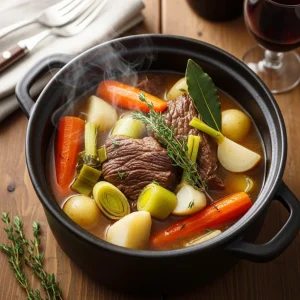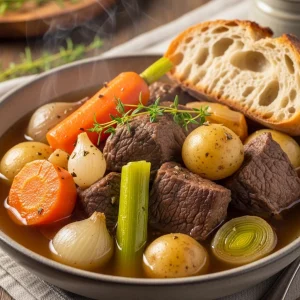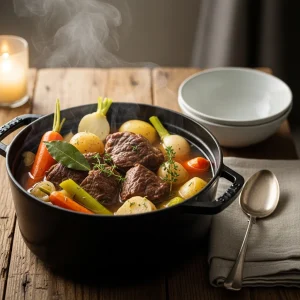

There’s a certain magic simmering in the heart of French kitchens, where tradition and comfort meet in a single pot. Beef Pot-au-Feu, frequently enough hailed as France’s quintessential hearty stew, is far more than a rustic dish, it’s a culinary heritage passed down through generations. Beyond its tender cuts of beef and vibrant medley of vegetables lies a story of simplicity, patience, and the art of coaxing rich flavors from humble ingredients. Join us as we uncover the origins, techniques, and timeless appeal of this beloved French classic, revealing why Pot-au-Feu continues to warm both stomachs and souls across the world.
Beef Pot-au-feu is a timeless emblem of French culinary heritage, a stew that warms the soul with its rich layers of flavor and comforting simplicity. Rooted in humble peasant kitchens, this beloved dish celebrates the magic of slow simmering, transforming modest cuts of meat and garden vegetables into a feast of tender textures and savory depth. Every simmering pot tells a story of tradition, family gatherings, and a shared appreciation for food’s ability to bring people together around the table.
Origins and Traditions Behind France’s Beloved Beef Pot-au-Feu
Tracing its origins back to 17th-century France, Beef Pot-au-Feu originally served as a practical meal for rural families, using affordable cuts and seasonal vegetables to create a filling, nourishing broth. Traditionally, it was a winter staple, offering both sustenance and comfort during cold months. The dish’s name, which means “pot on the fire”, references the methodical, slow-cooked approach that gently coaxes out an unrivaled depth of flavor. Today, it remains a national treasure, celebrated not only for its hearty qualities but for its ability to highlight the purity of simple ingredients prepared with patience and respect.
Selecting the Perfect Cuts and Vegetables for Authentic flavor
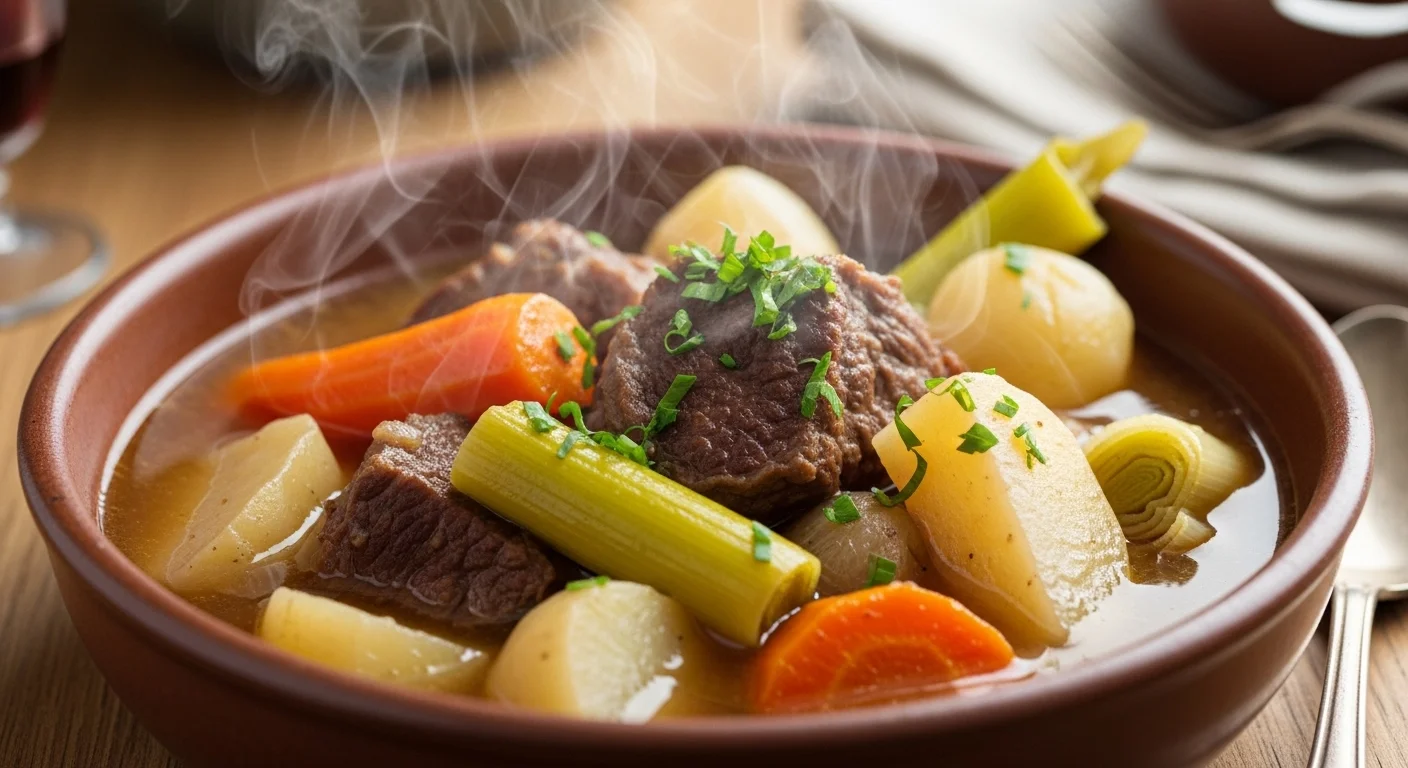
The heart of this stew lies in the choice of beef cuts.For authentic Beef Pot-au-Feu, use bone-in brisket, chuck, oxtail, and marrow bones to enrich the broth with gelatin and richness. These cuts withstand hours of simmering, breaking down to exquisite tenderness. Equally important are fresh, seasonal vegetables: carrots, leeks, onions (preferably with cloves), celery, and turnips serve as aromatic pillars that infuse the dish with sweet earthiness and subtle layers of flavor. Don’t forget a bouquet garni, typically thyme, bay leaf, and parsley, which adds a fragrant herbal note that ties it all together.
Prep and Cook Time
- Planning: 30 minutes
- Cooking: 3 to 4 hours (slow simmer)
- Total: Approximately 4 hours
Yield
Serves 6 generous portions
Difficulty Level
Medium – requires patience and attention to slow cooking but easy to follow
Ingredients
- 3 lbs bone-in beef brisket, trimmed
- 2 lbs beef chuck, cut into large pieces
- 2 marrow bones, washed
- 12 cups cold water
- 3 large carrots, peeled and halved
- 2 leeks, cleaned and cut into 3-inch sections
- 2 onions, studded with 4 cloves each
- 3 stalks celery, cut into large pieces
- 2 turnips, peeled and quartered
- 1 bouquet garni (thyme, bay leaf, parsley tied in cheesecloth)
- 6 garlic cloves, crushed
- Salt and freshly ground black pepper, to taste
- Coarse sea salt, for seasoning on serving
Step-by-Step Guide to Mastering the Classic Simmering Technique
- Prepare the broth: Place all beef cuts and marrow bones in a large heavy-bottomed stockpot. Cover with cold water.
- Slowly bring to a boil over medium heat. As foam rises to the surface, skim it off carefully with a slotted spoon, ensuring a clear broth.
- Add the vegetables and bouquet garni, then reduce heat to maintain a gentle simmer. Avoid a rolling boil to keep the meat tender and broth clear.
- Simmer uncovered for 3 to 4 hours, occasionally skimming impurities. The beef should be meltingly tender, and the vegetables softened but intact.
- Remove the meat and vegetables carefully and set aside, keeping warm. Strain the broth through a fine sieve for clarity and discard solids.
- Adjust seasoning of broth with salt and black pepper. Slice the meat and serve alongside the vegetables, ladling warm broth over everything or serving it separately as a consommé.
Serving Suggestions and Wine Pairings to Elevate Your Stew Experience
Present this stew rustic-style on large platters or individual bowls, garnished with freshly chopped parsley and a sprinkle of coarse sea salt to enhance textures. Serve with crusty French bread to soak up the luscious broth, and traditional mustard on the side for a gentle kick. For a refined touch, add steamed potatoes or lightly sautéed green beans.
Chef’s Notes: Tips for Success
- Bone marrow: Don’t skip marrow bones, they infuse the broth with silky richness that’s signature to authentic Beef Pot-au-Feu.
- Clove-studded onions: This simple trick adds a warm, aromatic complexity; if you prefer, replace with shallots for a gentler effect.
- Make ahead: This stew tastes even better the next day when flavors have rested and melded. Reheat gently on the stovetop.
- Clear broth: Patience with skimming and gentle simmering is key to a crystal-clear, fragrant consommé.
- Vegetable timing: For perfectly tender veggies, consider adding more delicate ones like turnips later in the cooking process to avoid over-softening.
- Leftovers: Use leftover broth as a base for soups or risottos to deepen flavors effortlessly.
| Nutrient | Per Serving |
|---|---|
| Calories | 450 kcal |
| Protein | 38 g |
| Carbohydrates | 15 g |
| Fat | 20 g |
Discover more traditional French stews to deepen your culinary adventures.
Q&A
Q&A: Beef Pot-au-Feu – France’s Classic hearty Stew Uncovered
Q: What exactly is Beef Pot-au-Feu?
A: Beef Pot-au-Feu is France’s beloved traditional stew, often called the country’s culinary heartwarming hug. Literally meaning “pot on the fire”, it’s a slow-cooked medley of tender beef cuts, fragrant vegetables, and aromatic spices simmered to rich, soul-soothing perfection. It’s the epitome of rustic French comfort food, enjoyed across generations.
Q: Where does Pot-au-Feu originate from?
A: This stew traces its roots back to humble rural France, where resourceful cooks turned affordable cuts of beef and pantry staples into a nourishing, flavorful dish. Over centuries, Pot-au-Feu evolved as a staple Sunday dinner, symbolizing family togetherness and the festivity of simple, honest ingredients.
Q: What makes Pot-au-Feu so unique compared to other stews?
A: Unlike many stews that quickly toss ingredients together, Pot-au-Feu is a labor of love. It’s all about patience-simmering the beef and bones slowly to extract deep flavors, and layering the dish with an assortment of carefully selected vegetables like leeks, carrots, turnips, and celery. The slow cooking not only results in melt-in-your-mouth beef but also creates a rich broth that’s often savored as a separate course.
Q: Which cuts of beef work best for Pot-au-Feu?
A: Traditionally, tougher, flavorful cuts such as brisket, shin, and oxtail shine in Pot-au-Feu. These cuts have the collagen and marbling necessary to transform through slow cooking into tender meat with a complex depth of flavor. The bones add essential gelatin and richness, making the broth unforgettable.
Q: What vegetables are commonly used-and why?
A: Classic Pot-au-Feu features root vegetables and aromatics that can withstand long cooking times yet absorb the broth’s flavors. Carrots, leeks, turnips, onions studded with cloves, celery, and sometimes cabbage come together to balance sweetness, earthiness, and aromatic notes, creating a layered taste experience.
Q: Is Pot-au-Feu served all together in one pot?
A: Traditionally, no. The meat and vegetables are frequently enough served separately on a platter, accompanied by the broth as a first course. This allows diners to savor each component, the juicy beef, the tender veggies, and the piping hot, intensely flavored broth, in its own right before enjoying the full ensemble with coarse sea salt, mustard, and crusty bread.
Q: How has Pot-au-Feu maintained its relevance in modern French cuisine?
A: In a world eager for fast and flashy, Pot-au-Feu remains a beloved icon as it speaks to slow food values and nostalgic comfort. Chefs reinterpret it with creative twists, but its essence, a celebration of humble ingredients transformed through time, remains untouched. It’s a dish that invites connection, storytelling, and the simple pleasure of a hearty meal shared.
Q: Can Pot-au-Feu be adapted for different tastes or dietary needs?
A: Absolutely. While beef is central, variations have emerged using different proteins or emphasizing vegetables for lighter versions. However, purists argue the magic is in beef’s richness and the marrow bones that enrich the broth. Nonetheless, the basic technique-slow simmering to coax out natural flavors-can inspire many personalized renditions.
Q: what’s the best way to enjoy Pot-au-Feu?
A: Gather around a wooden table, pour a glass of robust red wine, and share stories as the fragrance of simmering stew fills the air. Start with the broth, savor the tender beef with a dollop of whole-grain mustard, and nibble on the vegetables alongside rustic bread. It’s not just a meal, it’s a multi-sensory celebration of French heritage and hospitality.
Whether you’re a seasoned foodie or a curious home cook, unlocking the secrets of Beef Pot-au-feu offers a appetizing journey into France’s soul-one hearty, slow-cooked spoonful at a time.
To Wrap It Up
As the fragrant aromas of simmering broth and tender beef fill the kitchen, it’s clear why pot-au-feu has earned its place as France’s beloved culinary treasure. More than just a hearty stew, it’s a comforting ritual, a celebration of simplicity transformed through time-honored technique. Whether enjoyed at a rustic farmhouse table or recreated in your own home, this classic dish invites you to slow down, savor each bite, and connect with a rich tradition that warms both body and soul. In uncovering the layers of pot-au-feu, we uncover a story of heritage, community, and the profound joy found in sharing food made with care. So next time the chill sets in, let France’s iconic stew be your delicious invitation to gather, nurture, and taste history itself.