
Basmati rice, with its delicate aroma and slender, elongated grains, has long been celebrated as the jewel of culinary traditions across South Asia and beyond. But beneath its fragrant surface lies a rich tapestry of history, culture, and science that few truly understand. In this article, we journey beyond the plate to uncover the story of basmati rice, from its ancient origins nestled in the Himalayan foothills to its role in modern cuisine and global trade. Join us as we unravel the secrets of this prized grain, revealing what makes basmati not just rice, but a fragrant legacy cherished around the world.
Basmati rice is a treasure trove of culinary heritage and aromatic allure, revered for centuries across the Indian subcontinent. As you embark on cooking with this exquisite grain, you’ll discover why its delicate, nutty fragrance and elongated grains have made it a staple in royal kitchens and modern homes alike. This journey into Basmati rice uncovers the secrets behind its enchanting aroma, the science that elevates it above ordinary rices, and practical tips to bring out its full potential in your recipes.
Prep and Cook Time
- Preparation: 20 minutes (including soaking)
- Cooking: 15-20 minutes
- Total Time: Approximately 40 minutes
yield
- Serves 4 generously
Difficulty Level
- Easy to Medium – Perfect for beginners and seasoned cooks
Ingredients
- 1½ cups basmati rice, preferably aged for enhanced aroma
- 2¼ cups water (use filtered or mineral water for best results)
- 1 tablespoon ghee or unsalted butter
- 1 teaspoon whole cumin seeds
- 2-3 whole green cardamom pods
- 1 small cinnamon stick
- 1 bay leaf
- Salt to taste (approximately ½ teaspoon)
Instructions
- Rinse and soak the rice: Rinse the basmati rice under cold water until the water runs clear to remove excess starch. Soak the rice in cold water for at least 20 minutes; this step softens the grains and ensures elongation during cooking.
- Prepare the aromatics: In a heavy-bottomed pot, melt the ghee over medium heat. Add the cumin seeds, cardamom pods, cinnamon stick, and bay leaf. Sauté gently until fragrant, about 2 minutes, stirring frequently enough to prevent burning.
- Drain and toast: Drain the soaked rice and add it to the pot. Gently toast the rice with the spices for 2-3 minutes, stirring carefully to coat the grains in ghee without breaking them.
- Add water and salt: Pour in the measured water and salt. Bring the mixture to a rolling boil over medium-high heat.
- Simmer with a lid: Once boiling, reduce the heat to low, cover tightly with a lid, and simmer undisturbed for 15 minutes. Avoid lifting the lid, as steady steam is key to perfect fluffiness.
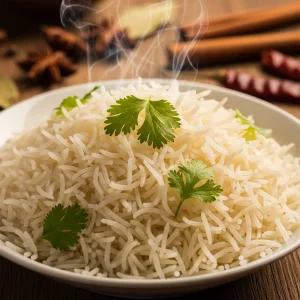
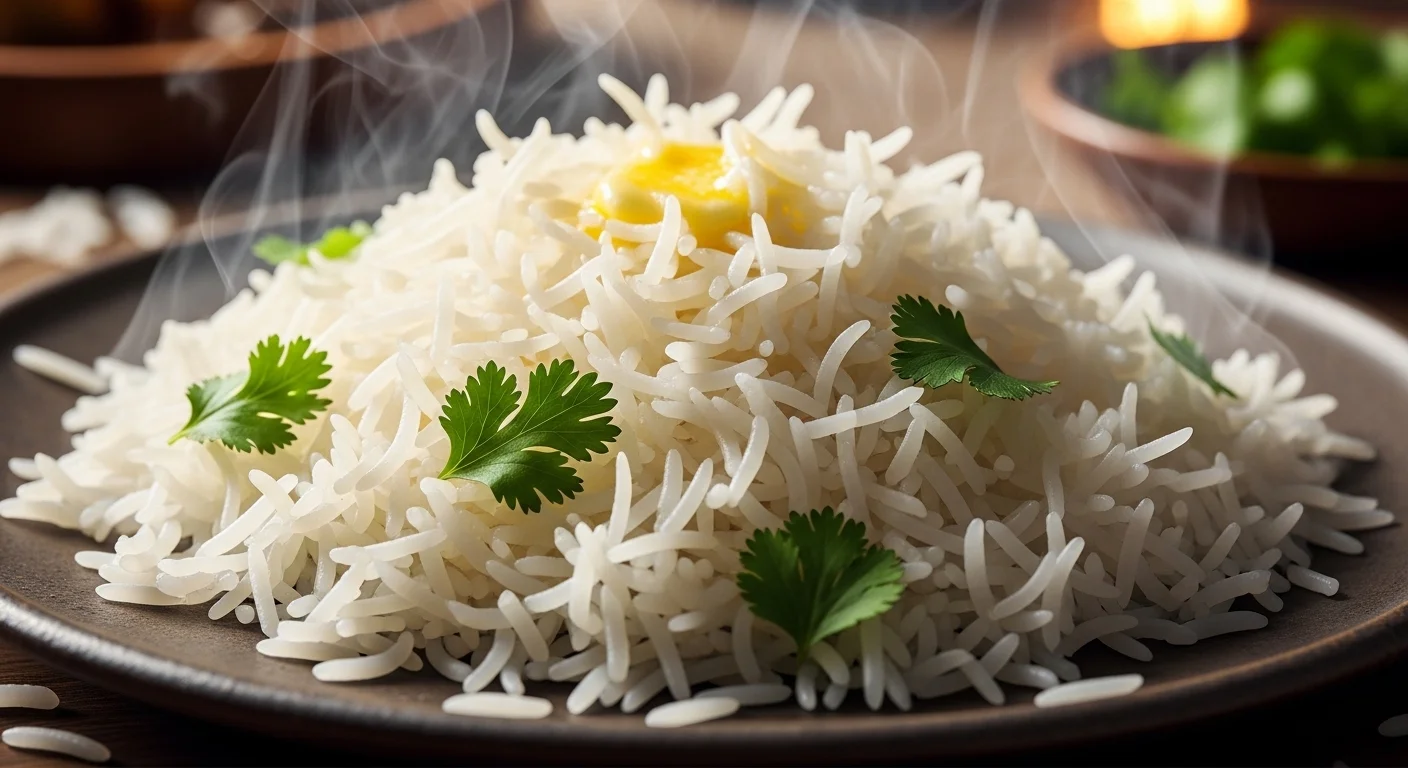
- Rest and fluff: Turn off the heat and let the rice rest, covered, for an additional 10 minutes. Then, gently fluff with a fork to separate the elongated grains and release the distinctive scent.
Tips for Success
- Choosing the perfect basmati: Look for aged basmati rice, as the drying process intensifies the fragrance and cooking performance.
- Water ratio matters: Too much water results in sticky rice; too little leaves grains hard. The 1:1.5 rice-to-water ratio is ideal for stovetop cooking.
- Soaking is essential: Don’t skip soaking; it allows the grains to absorb moisture evenly and expands their length beautifully.
- Steaming option: For ultra-fluffy rice, try steaming soaked rice in a fine mesh or cheesecloth over boiling water for 20 minutes.
- Make-ahead: Cooked basmati rice can be cooled and refrigerated for up to 3 days, perfect for speedy stir-fries or pilafs.
Serving Suggestions
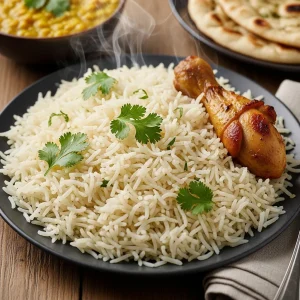
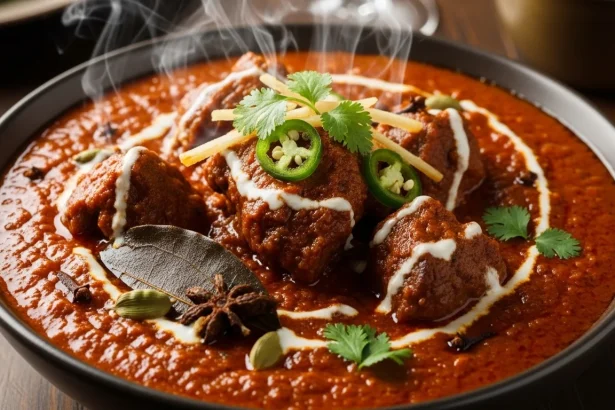
Serve this fragrant basmati rice as the perfect complement to richly spiced Indian curries like butter chicken or dal tadka. For an elegant presentation, garnish with freshly chopped cilantro, toasted slivered almonds, or a sprinkle of saffron-infused warm milk for golden hues and subtle luxury. Pair with cooling raita or a vibrant salad to add texture contrasts and freshness to your plate.
Nutritional Facts (per serving)
| Calories | Protein | Carbohydrates | Fat |
|---|---|---|---|
| 210 | 4g | 45g | 4g |
Deepen your understanding of rice varieties by exploring our comprehensive guide to rice varieties, or learn more about the science of aroma at ScienceDaily’s article on aromatic compounds in rice.
Q&A
Basmati rice Uncovered: The Fragrant Grain’s Story – Q&A
Q1: What makes Basmati rice so special compared to other varieties?
A1: Basmati rice is often called the “Prince of Rice” for good reason. Its unique combination of elongated grains, delicate nutty flavor, and enchanting aroma sets it apart. Unlike regular rice, Basmati’s grains stay separate and fluffy when cooked, making it the perfect companion for hearty curries and spiced dishes. Its charm lies in that signature fragrance, often reminiscent of popcorn or pandan leaves, turning a simple meal into a sensory experience.
Q2: Where does Basmati rice originally come from?
A2: Basmati rice has its roots in the northern Indian subcontinent, notably in the foothills of the Himalayas, regions that today include parts of India and Pakistan. This geographical origin contributes to its unique characteristics, as the combination of climate, soil, and traditional cultivation methods all play vital roles in shaping its flavor and texture.
Q3: What does the word ‘Basmati’ mean?
A3: The name “Basmati” derives from the Sanskrit word vasmati, which means “fragrant” or “aromatic”. This linguistic heritage perfectly captures the essence of the grain, highlighting its most celebrated attribute-the enchanting scent that fills kitchens and hearts alike.
Q4: How is Basmati rice cultivated differently from other rices?
A4: Growing Basmati rice is a delicate art. It typically involves planting in specific traditional regions with ideal climate conditions-cool nights and warm days-and particular soil types. Farmers carefully monitor water levels and timing for planting and harvesting to ensure the grains develop their hallmark length, texture, and fragrance.The entire process is more labor-intensive and slower than for many other rice varieties, which contributes to its premium status.
Q5: Are all Basmati rices created equal?
A5: not quite. Genuine Basmati rice undergoes strict standards regarding grain length (often elongating up to twice its original size after cooking), aroma, and growing region. The Indian and Pakistani governments have geographical indications to protect authentic Basmati rice. However, with growing demand, some producers attempt to market look-alikes or blends as Basmati. True connoisseurs seek out authentic, aged Basmati for maximum flavor and texture.
Q6: What role does aging play in Basmati rice quality?
A6: Aging Basmati rice is akin to fine wine maturation. Freshly harvested grains contain moisture that can hinder cooking quality and aroma. Aging the rice, typically for 12 to 24 months, reduces moisture, intensifies the fragrance, and improves the fluffiness of cooked grains. This aging period helps unlock the full sensory profile of the rice and is highly prized by chefs and home cooks alike.
Q7: How should Basmati rice be cooked to preserve its unique qualities?
A7: To unlock Basmati’s magic, it’s often recommended to rinse the grains multiple times to remove surface starch, then soak them before cooking. This helps elongate the grains and reduce cooking time. Using a ratio of water that allows the grains to cook tender but not mushy is key-usually about 1.5 to 2 cups of water per cup of rice, depending on method. Steaming or using a heavy-bottomed pot with a tight lid helps retain moisture and aroma. the result is fluffy, fragrant rice in which each grain remains distinct.
Q8: beyond its culinary allure, does Basmati rice have nutritional benefits?
A8: Basmati rice is a good source of carbohydrates, providing energy with a relatively low glycemic index compared to other white rices, making it somewhat friendlier for blood sugar control. Its long grain structure means it digests more slowly, providing sustained energy. Whole grain or brown Basmati versions also offer fiber and additional nutrients, appealing to health-conscious eaters.
Q9: How has Basmati rice influenced culture and cuisine globally?
A9: Basmati rice is much more than just an ingredient, it’s a cultural icon. It forms the heart of many beloved south asian dishes like biryani, pilaf, and kheer. Its influence has crossed borders, inspiring global chefs and food lovers to embrace its aroma and texture. The grain’s story is intertwined with centuries of tradition, festivities, and hospitality, symbolizing warmth, celebration, and a connection to heritage.
Q10: What should consumers look for when buying Basmati rice?
A10: Quality Basmati rice should mention its geographical origin, preferably with certifications or GI tags. Look for terms like “aged” on the packaging to ensure deeper flavor and texture. The grains should be long, slender, and free from broken pieces. Avoid blends claiming to be Basmati without origin details, authenticity directly impacts the cooking experience. Lastly, buy from reputable brands or specialty stores, and store the rice in an airtight container to preserve its fragrance.
Basmati rice, with its delicate fragrance and slender elegance, isn’t just food, it’s a journey through centuries, soils, and senses. Its story invites us to slow down, savor the simple, fragrant pleasures of life.
In Conclusion
As the fragrant steam rises from a perfectly cooked pot of basmati rice, it carries with it centuries of tradition, culture, and culinary artistry. This humble grain, with its slender grains and distinctive aroma, is more than just a staple, it’s a bridge between history and modern tables around the world. From the ancient fields of the Himalayas to contemporary kitchens, basmati rice continues to enchant palates and inspire chefs. So the next time you savor its nutty, floral notes, remember you’re partaking in a story as rich and layered as the grain itself, one that celebrates heritage, flavor, and the timeless joy of good food.