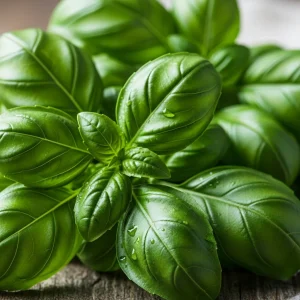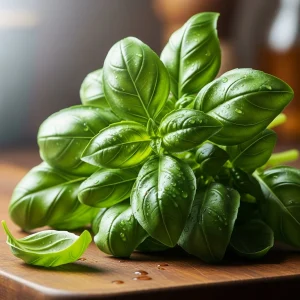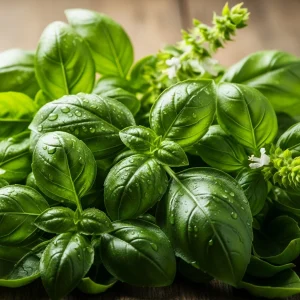

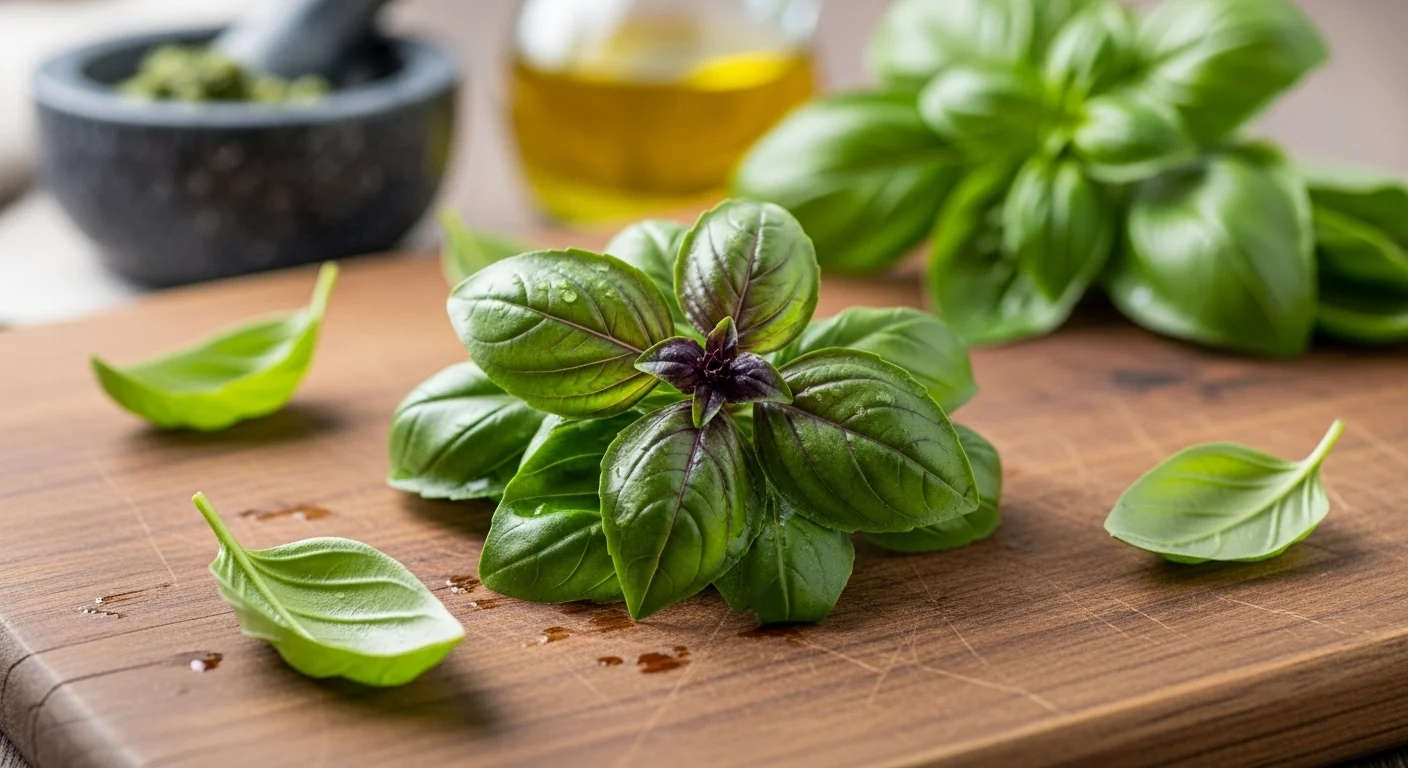
There’s a vibrant green herb that has long been celebrated not only for it’s enchanting aroma but also for its indispensable role in kitchens around the world: basil. From the sun-drenched fields of the Mediterranean to bustling urban gardens, basil’s fragrant leaves have woven themselves into the fabric of culinary traditions and cultural stories alike. More than just a garnish, this versatile herb carries a rich history, a treasure trove of flavors, and surprising health benefits, making it a true superstar in the world of herbs. Join us as we explore basil’s journey from nature’s fragrant leaf to the heart of countless delicious dishes, uncovering what makes it an irreplaceable gem in both gardens and gourmet plates.
Basil, with its fragrant aroma and vibrant green leaves, elevates every dish it touches, offering not only irresistible flavor but an abundance of health benefits. From calming digestive aid to powerful antioxidants, basil is a culinary superstar worth cultivating and mastering at home. Experience the magic of freshly picked basil by learning how to nurture it, cook with it in exciting ways, and store it perfectly to savor its essence all year round.
Prep and Cook Time
- Preparation: 15 minutes
- Cooking: 10 minutes
- Total Time: 25 minutes
Yield
Serves 4 generously as a vibrant herbaceous centerpiece or accompaniment.
Difficulty Level
Easy
Ingredients
- 2 cups fresh basil leaves, tightly packed, washed and dried
- 1/2 cup extra virgin olive oil, cold pressed
- 1/3 cup pine nuts, lightly toasted
- 2 cloves garlic, peeled and minced
- 1/2 cup freshly grated Parmesan cheese
- 1/2 teaspoon sea salt
- 1/4 teaspoon freshly ground black pepper
- 1 tablespoon fresh lemon juice, optional for brightness
Instructions
- Toast the pine nuts gently in a dry skillet over medium heat, swirling frequently until golden and fragrant, about 3-4 minutes. Set aside to cool.
- Prepare the basil by gently patting the leaves dry to ensure no water dilutes the pesto’s flavor or texture.
- Pulse garlic and toasted pine nuts in a food processor until finely chopped, scraping down the sides as needed to avoid clumping.
- Add the basil leaves and process while drizzling in the olive oil gradually until the mixture becomes a vibrant, coarse paste.
- Incorporate Parmesan cheese, sea salt, and black pepper. Pulse just until blended; avoid over-processing to preserve the fresh herbaceous texture.
- Finish with lemon juice for a subtle zing that brightens the pesto’s natural flavors (optional but recommended).
- Serve immediately atop freshly cooked pasta, grilled vegetables, or as a dip to experience the full aromatic burst of basil.
Tips for Success
- Use freshly harvested basil from your home garden or a trusted source to capture optimal flavor and essential oils.
- If pine nuts are unavailable, substitute with walnuts or almonds for a different yet delicious twist.
- To preserve basil pesto, freeze in ice cube trays and transfer frozen cubes to airtight bags to enjoy instant flavor boosts anytime.
- For a creamy texture, blend in a tablespoon of ricotta or substitute Parmesan with Pecorino Romano for a sharper taste.
- Always store basil away from moisture, in a jar with water (like a bouquet) covered loosely with a plastic bag to keep leaves vibrant.
Serving Suggestions
Pesto shines as a versatile herb sauce – dollop it generously over warm angel hair pasta garnished with extra Parmesan and a drizzle of high-quality olive oil. Try pairing it with sliced heirloom tomatoes and fresh mozzarella for an elegant Caprese twist. Alternatively, swirl into vinaigrettes, spread on grilled chicken, or mix with creamy gnocchi. Garnish with torn basil leaves, a few toasted pine nuts, and freshly cracked black pepper to bring visual and aromatic appeal to your plate.
| Nutrient | Per Serving |
|---|---|
| Calories | 220 kcal |
| Protein | 5 g |
| Carbohydrates | 3 g |
| Fat | 21 g (mostly healthy fats) |
To deepen your culinary knowledge of fresh herbs, visit our complete guide on cultivating herbs at home. For scientific insights on the health benefits of basil, check the national Center for Biotechnology Information.
Q&A
Q&A: Basil – Nature’s Fragrant Herb and Culinary Superstar
Q1: What makes basil such a beloved herb in kitchens around the world?
A1: Basil’s charm lies in its intoxicating aroma and vibrant flavor, which effortlessly elevates simple dishes to culinary masterpieces. Whether it’s the sweet, peppery notes of Genovese basil or the spicy, citrusy zing of Thai basil, this herb adds a fresh, fragrant burst that enlivens everything from pastas and pestos to salads and soups.
Q2: Where does basil originally come from, and how did it become so popular?
A2: Basil’s roots trace back to tropical Asia and Africa, where it was treasured for both its flavor and medicinal properties. Over centuries, it journeyed along spice routes into the Mediterranean, blossoming into an icon of Italian cuisine. Today, basil’s universal appeal spans continents, celebrated as a symbol of freshness and culinary artistry.
Q3: Are there different types of basil, and how do they differ?
A3: Absolutely! Beyond the classic sweet basil, there’s a vibrant family of varieties. Thai basil offers a spicy, anise-like flavor perfect for Asian dishes; lemon basil carries luminous citrus notes; purple basil dazzles with its deep color and mild taste; and holy basil brings sacred meaning alongside its peppery punch. Each brings a unique personality to the kitchen.
Q4: How should one store basil to keep its flavor and aroma intact?
A4: Treat basil like a delicate bouquet rather than a typical leafy green.Keep its stems in a glass of water on the countertop, away from direct sunlight, and cover loosely with a plastic bag. Unlike many herbs, basil doesn’t fare well in the fridge, where cold temperatures can dull its vibrancy and lead to wilting.
Q5: Can basil be used beyond the kitchen?
A5: Indeed! Basil’s uses spiral beyond flavoring dishes. Its essential oils have been noted for anti-inflammatory and antibacterial benefits, and the herb has a rich history in conventional medicine. Plus, its fragrant leaves can brighten homemade potpourris or inspire homemade beauty treatments, making basil a fragrant herb with endless versatility.
Q6: What’s a simple way to incorporate basil into everyday meals?
A6: Sometimes, the simplest touches make the most impact. Tear fresh basil leaves over a steaming bowl of pasta, whip up a fast basil pesto to drizzle on grilled veggies, or add leaves to a refreshing lemonade for a delightful herbal twist. Experimenting with basil can turn everyday meals into fragrant feasts.
Q7: Any tips for growing basil at home?
A7: Basil is a green-thumb’s delight-sun-loving, fast-growing, and rewarding.Plant it in well-draining soil with abundant sunlight, water regularly but avoid soggy soil, and pinch off flower buds to encourage leaf production. Even a sunny windowsill can become a basil oasis, ensuring a fresh supply right within your reach.
Whether you’re a seasoned chef or a kitchen novice, basil invites you to explore a world of flavor and fragrance. Its bright leaves carry centuries of tradition and a promise of delicious revelation, truly nature’s fragrant herb and culinary superstar.
In retrospect
As we close the chapter on basil’s aromatic story, it’s clear that this humble herb is far more than just a kitchen staple. From its vibrant, fragrant leaves to its rich cultural history, basil has earned its place as nature’s fragrant gem and culinary superstar. Whether you’re sprinkling it fresh atop a Mediterranean salad, infusing it into a warming pesto, or simply enjoying its soothing aroma in your garden, basil invites us to savor life’s simple pleasures. Embrace this green marvel, and let basil continue to inspire your palate and nourishes your soul, one fragrant leaf at a time.