
In the vast tapestry of Middle Eastern cuisine, few dishes capture the essence of tradition and flavor quite like baba Ghanoush. This smoky, silky eggplant dip is much more than a simple appetizer-it is a story steeped in history, culture, and the art of fire-roasting. As the gentle aroma of charred eggplant mingles with tangy tahini and fresh lemon, Baba Ghanoush unveils a culinary experience that is both rustic and refined. Join us as we journey through the origins, ingredients, and techniques behind this beloved dish, discovering how it’s smoky allure has earned a cherished place on tables from ancient Levantine villages to modern global kitchens.
Baba ghanoush is more than just a dip-it’s a culinary treasure that whispers stories from the heart of the Middle East. This velvety blend of roasted eggplant, infused with smoky depth and brightened with citrus and garlic, has long been celebrated as a symbol of hospitality and shared joy. Originating in Levantine kitchens centuries ago, baba ghanoush brings together simple, wholesome ingredients that sing together in harmony, capturing both the rustic charm and intricate flavors of the region.
Prep and Cook Time
Preparation: 15 minutes
Cooking: 25 minutes
Total: 40 minutes
yield
Serves 6 to 8 as an appetizer or side dish
Difficulty Level
Easy
Essential Ingredients for Conventional Baba Ghanoush
- 2 medium eggplants (about 2 lbs), preferably globe or Japanese variety
- 3 cloves garlic, finely minced
- 3 tablespoons tahini (sesame seed paste)
- 3 tablespoons freshly squeezed lemon juice
- 2 tablespoons extra virgin olive oil, plus extra for garnish
- Salt to taste
- 1 tablespoon finely chopped fresh parsley (optional, for garnish)
- 1 teaspoon smoked paprika or ground cumin (optional, for an extra smoky twist)
- Sumac (optional, sprinkled on top as a shining, tangy garnish)
Unlocking the Perfect Smoky Flavor Through Traditional Techniques
The hallmark of authentic baba ghanoush is its unmistakable smoky aroma and silky texture, achieved primarily by charring whole eggplants over open flames or on a hot grill. This method caramelizes the skin and softens the flesh, imparting complex notes of smoke and earthiness that canned or boiled eggplants simply can’t replicate.
Onc the eggplants have cooled, gently peeling back the charred skin reveals the tender, flavor-packed flesh within. This process is crucial-avoid rinsing under water to preserve the smoky richness. Rather, scoop liberally to maintain a velvety yet slightly fibrous texture that holds up well when combined with creamy tahini and zingy lemon juice.
Step-by-Step instructions
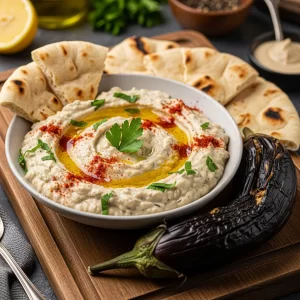
- char the eggplants: Place whole eggplants directly on a gas stove flame, grill, or under a broiler. Turn occasionally to evenly blacken and blister the skin, about 15-20 minutes until the eggplants are soft and collapse under gentle pressure.
- Cool and peel: Transfer to a bowl and cover with plastic wrap to steam for 10 minutes. This loosens the skin for effortless peeling. Using your fingers or a spoon, scoop out the smoky flesh into a colander to drain excess liquid.
- Drain and mince: Allow the flesh to drain for 5 minutes to avoid a watery baba ghanoush. Then, finely chop or mash with a fork for your desired texture.
- mix the flavors: In a mixing bowl, combine the eggplant with minced garlic, tahini, lemon juice, olive oil, salt, and smoked paprika or cumin if using. Stir gently until creamy and well integrated.
- Adjust seasoning: Taste and adjust salt and lemon juice, balancing tanginess with silky richness.
- Transfer and chill: For best flavor, refrigerate at least 30 minutes before serving to allow the ingredients to meld.
Tips for Success: Elevate Your baba ghanoush
- For a deeper smoky flavor,char the eggplants on charcoal or over an open fire when possible.
- Use fresh, good-quality tahini as it directly affects the creaminess and flavor.
- Try adding a touch of Greek yogurt or labneh for a smoother, tangier variation.
- For a vibrant twist, fold in roasted red peppers or pine nuts.
- Make ahead: Baba ghanoush improves with time and can be refrigerated for up to 3 days.
- If too watery, drain longer or strain through cheesecloth to concentrate flavors.
Serving Suggestions: Perfect Pairings and Presentation
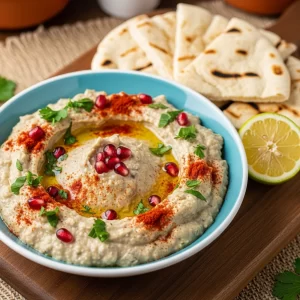
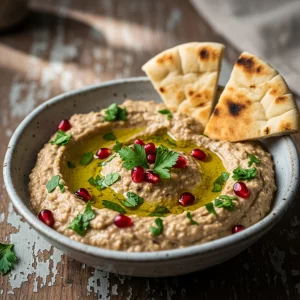
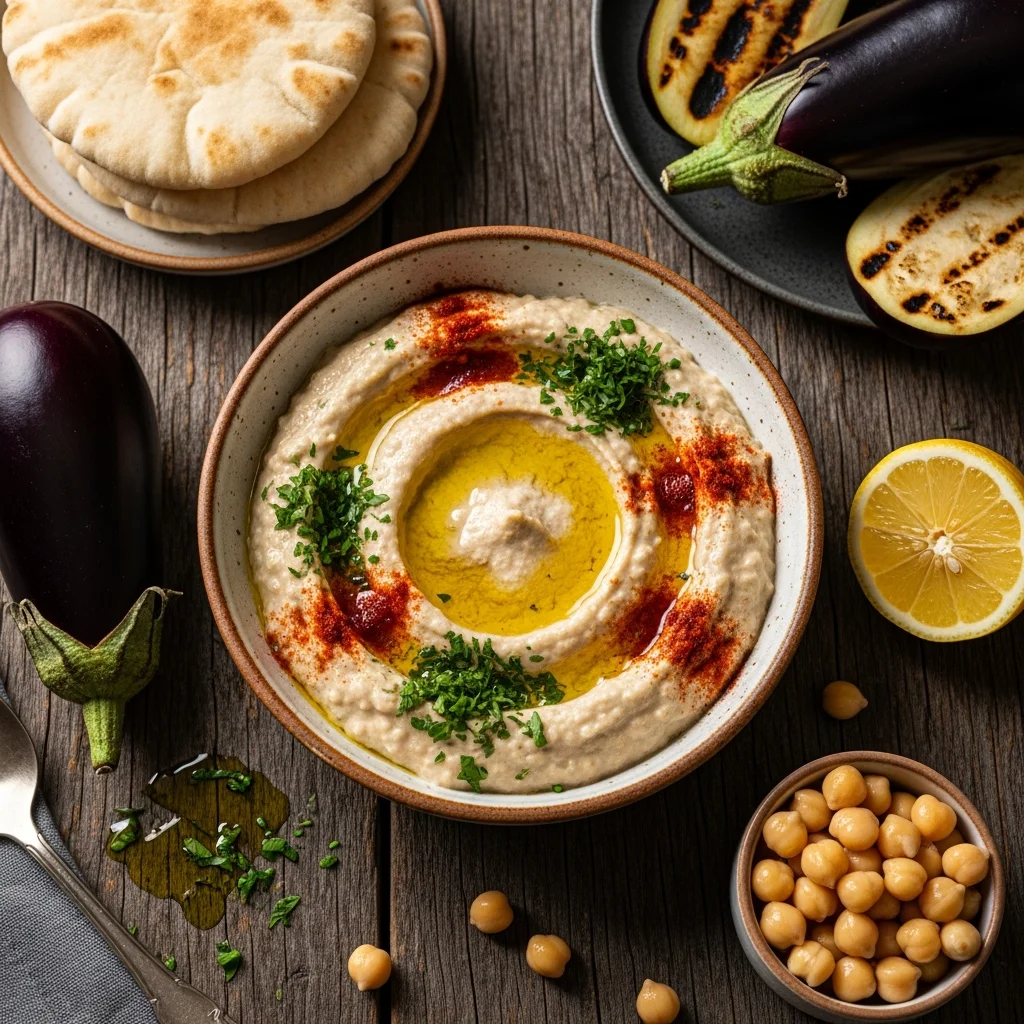
Serve your baba ghanoush in a shallow bowl, drizzled generously with extra virgin olive oil and sprinkled with paprika, sumac, and fresh parsley for bursts of color and contrasting flavors. Offer alongside warm, fluffy pita bread, crispy lavash, or fresh vegetable crudités like cucumber sticks and carrot ribbons.
This smokey dip pairs beautifully with tangy olives, rich hummus, and fresh tabbouleh for a vibrant Middle Eastern mezze spread that both comforts and excites the palate.
| Nutrient | per Serving (approx.) |
|---|---|
| Calories | 90 kcal |
| Protein | 2 g |
| Carbohydrates | 7 g |
| Fat | 6 g |
Explore more authentic Middle Eastern recipes like authentic hummus recipes to expand your mezze repertoire. For deeper ancient context, visit the Encyclopaedia Britannica on Baba Ghanoush.
Q&A
Q&A: Baba Ghanoush Unveiled – The Smoky Delight of the Middle East
Q1: What exactly is Baba Ghanoush?
A1: Baba Ghanoush is a luscious Middle Eastern dip made primarily from roasted eggplants, tahini (sesame seed paste), garlic, lemon juice, and olive oil. Its signature smoky flavor and creamy texture have made it a beloved staple across the region’s tables and beyond.
Q2: How did Baba Ghanoush get its name?
A2: The name “Baba Ghanoush” is as intriguing as the dish itself. In Arabic, ”baba” means father or old man, and “ghanoush” is frequently enough interpreted as “pampered” or “coquettish.” Legend has it that the dish was named after a pampered old man, perhaps a playful nod to its rich, luxurious taste.
Q3: Why is the smoky flavor so crucial in Baba Ghanoush?
A3: The smoky flavor is the soul of Baba Ghanoush. Traditionally, eggplants are roasted over open flames or charred on coals until their skins blister and the flesh softens. This caramelization and slight charring infuse a deep, smoky aroma that elevates the dip from mere mashed eggplant to a smoky delight that dances on the palate.
Q4: Is Baba Ghanoush similar to hummus?
A4: Although both dips share tahini as a common ingredient, Baba Ghanoush and hummus are quite different. Hummus is made from chickpeas, lending it a nuttier and smoother profile, while Baba Ghanoush features smoky, creamy eggplant as its star, giving it a distinct earthiness and depth.
Q5: Are there variations of Baba Ghanoush across the Middle East?
A5: Absolutely! Every household and region adds its own twist. Some add pomegranate seeds for a burst of tartness, others sprinkle sumac for a tangy edge, while some incorporate yogurt or fresh herbs like parsley and mint. These variations celebrate the dish’s versatility and regional diversity.
Q6: What are the best ways to enjoy Baba Ghanoush?
A6: Baba Ghanoush is incredibly versatile. It’s traditionally scooped up with warm pita bread, but it also shines as a vibrant spread for sandwiches, a dip for fresh vegetables, or a smoky side to grilled meats and falafel. Its creamy texture and bold flavor make it a perfect appetizer or accompaniment.
Q7: Can Baba Ghanoush be made vegan and gluten-free?
A7: Yes! Baba Ghanoush is naturally vegan and gluten-free, relying on wholesome plant ingredients without any animal products or gluten-containing elements. It’s a fantastic healthy option for those following plant-based or gluten-free diets.
Q8: What’s the secret to making restaurant-quality Baba Ghanoush at home?
A8: The key lies in the roasting. Slow-roasting whole eggplants over an open flame or under the broiler until they are soft and deeply charred is essential. Let the eggplants cool before peeling to preserve the smoky essence. From there, balancing tahini, lemon, and garlic to your taste will bring the dip to life.
Q9: How does Baba Ghanoush reflect Middle Eastern culture?
A9: Baba Ghanoush embodies the Middle East’s rich culinary heritage-rooted in simplicity, community, and bold flavors. It’s frequently enough enjoyed family-style, bringing people together to share food and stories around the table. Its smoky allure tells a tale of ancient cooking traditions that continue to delight taste buds today.
Q10: Where can someone new to Middle Eastern cuisine find Baba Ghanoush?
A10: Baba Ghanoush has found its way onto menus worldwide. Middle Eastern restaurants, Mediterranean delis, and even many grocery stores offer this smoky delight. For the adventurous foodie, making it at home is a rewarding journey that invites you to savor the spirit of the Middle East in every bite.
Concluding Remarks
As the rich, smoky aroma of baba ghanoush lingers on the palate, one cannot help but appreciate not just a dish, but a story-a culinary tapestry woven from the fertile soils of the Middle East, where tradition meets flavor in perfect harmony. Whether savored as a humble dip or star of a lavish mezze spread, baba ghanoush invites us to embrace the beauty of simplicity infused with layers of history. So next time you scoop up that velvety blend of roasted eggplant and tahini, remember: you’re not just tasting a recipe, but tasting a culture-an edible heirloom passed down through generations, smoky and soulful, waiting to be unveiled again and again.