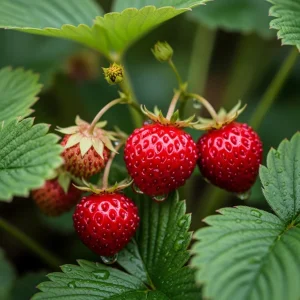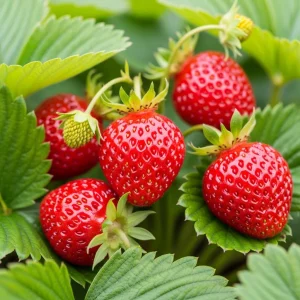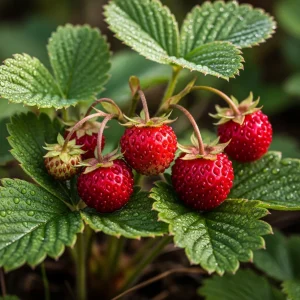

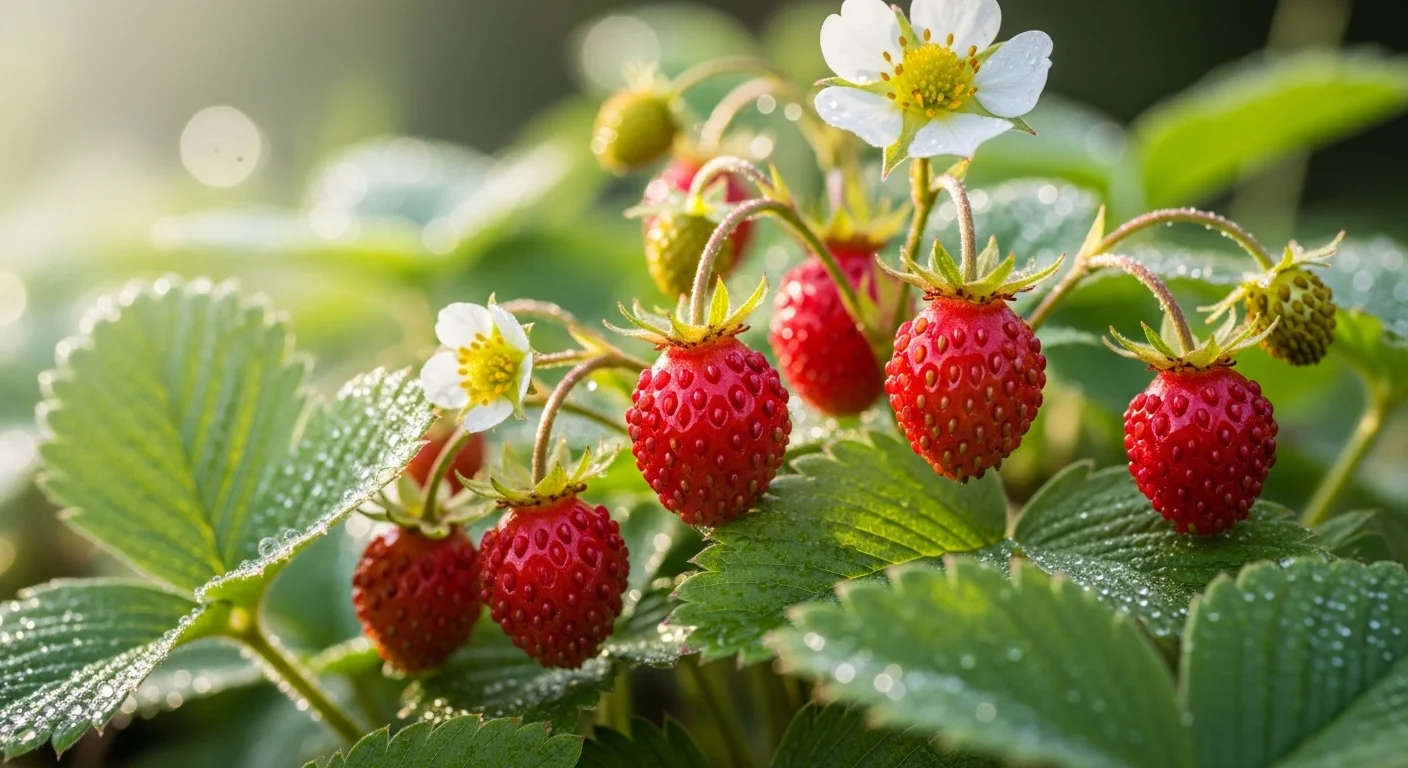
Nestled quietly among lush green leaves and delicate wildflowers, alpine strawberries glisten like nature’s own tiny rubies-precious, vibrant, and often overlooked. These miniature marvels, with their jewel-toned hue and intensely sweet fragrance, offer more than just a delightful treat for the senses; they embody a rich history of cultivation, a unique botanical wonder, and a burst of concentrated flavor that has enchanted for centuries. In this article, we embark on a journey to unveil the secrets of alpine strawberries, exploring their origins, characteristics, and the surprising ways these little gems continue to captivate gardeners, chefs, and berry enthusiasts around the world. Prepare to discover why these petite fruits deserve a place in your garden, your kitchen, and your heart.
Alpine Strawberries, nature’s tiny ruby treasures, bring a burst of delicate sweetness that transforms any dish into a sublime experience. These petite berries have a captivating history rooted in European alpine regions where their intense aroma and exquisite flavor have enchanted for centuries. Inspired by their delightful fragrance and brilliant hue, this recipe celebrates their unique taste in a simple yet luxurious Alpine Strawberry & Mascarpone Tart that’s perfect for both novice and seasoned cooks.
Prep and Cook Time
Prep Time: 25 minutes | Cook Time: 20 minutes | Chill Time: 1 hour
Yield
Serves 6 elegantly sized portions
Difficulty Level
Medium – ideal for intermediate bakers looking to impress guests or elevate a casual gathering.
Ingredients
- 1 ½ cups all-purpose flour, sifted
- ½ cup unsalted butter, cold and diced
- ¼ cup powdered sugar
- 1 large egg yolk
- 1-2 tbsp cold water (as needed)
- 8 oz mascarpone cheese, chilled
- ⅓ cup honey, preferably wildflower or mild
- 1 tsp pure vanilla extract
- 1 pint Alpine Strawberries, fresh and rinsed
- Fresh mint leaves for garnish (optional)
- Finely grated lemon zest from 1 lemon
Instructions
- Prepare the tart crust: In a large bowl, combine the sifted all-purpose flour and powdered sugar. Add the cold diced unsalted butter and rub with fingertips until the mixture resembles coarse breadcrumbs.
- Add the egg yolk and 1 tablespoon of cold water. Gently mix and bring the dough together without overworking. If dry, add remaining water sparingly to form a smooth dough.
- Wrap the dough in plastic wrap and chill for at least 30 minutes to relax the gluten.
- Preheat the oven to 350°F (175°C).Roll out the chilled dough on a lightly floured surface to fit a 9-inch tart pan. Press it evenly into the pan and trim excess edges.
- Prick the crust base with a fork to prevent puffing. line with parchment paper and fill with pie weights or dried legumes.
- Bake blind for 15 minutes, remove weights and parchment, then bake for an additional 5 minutes until golden. Let cool fully.
- Prepare the filling: In a bowl, whisk together chilled mascarpone, honey, and vanilla extract until smooth and creamy. Add lemon zest for a subtle brightness.
- Spread the mascarpone mixture evenly into the cooled tart shell.
- Arrange Alpine Strawberries: Neatly place the fresh Alpine Strawberries on top, underside down to display their tiny ruby blush, layering as desired for volume and visual appeal.
- Garnish with fresh mint leaves if using, for a pop of color and fresh aroma.
- Refrigerate for at least 1 hour before serving to let flavors meld beautifully.
Chef’s Notes: Tips for Success
- Crust Variations: For a nutty twist, replace ¼ cup flour with finely ground almonds. This adds depth and a subtle crunch complementing Alpine Strawberries exquisitely.
- Sourcing alpine Strawberries: When possible, select shining red, firm berries free from blemishes to maximize natural sweetness and vibrant appearance.
- Make Ahead: Tart crust can be prepared and blind baked up to 2 days in advance, stored airtight at room temperature.
- Substitutions: If mascarpone is unavailable, a blend of cream cheese and heavy cream whipped to mimic mascarpone’s texture works well.
- Presentation: Lightly dust with powdered sugar or drizzle with additional honey just before serving for added elegance.
Serving Suggestions
Serve this delightful creation with a chilled glass of sparkling rosé or a vibrant herbal tea to enhance the Alpine Strawberries’ floral notes. For an indulgent brunch, pair with freshly whipped cream or a dollop of lavender-infused crème fraîche. Add edible flowers atop the tart for a jewel-like presentation that captivates both eyes and palate.
| Nutrient | Per Serving |
|---|---|
| Calories | 320 kcal |
| Protein | 5 g |
| Carbohydrates | 34 g |
| Fat | 18 g |
For further inspiration on incorporating Alpine Strawberries into your culinary repertoire, explore our Alpine Strawberry Summer Salad recipe. To learn more about the health benefits of strawberries, visit the Healthline nutrition guide.
Q&A
Q&A: Alpine Strawberries – Nature’s Tiny Ruby Treasures Unveiled
Q1: What exactly are alpine strawberries, and why are they called “tiny ruby treasures”?
Alpine strawberries (Fragaria vesca) are delicate, miniature cousins of the common garden strawberry. Often no larger than a fingernail, their vivid red, jewel-like appearance sparkles in the sun, earning them the poetic nickname “tiny ruby treasures”. Their petite size packs an intense burst of flavor, making them nature’s edible gems.
Q2: How do alpine strawberries differ from regular strawberries?
While regular strawberries grow larger and often require cultivation, alpine strawberries are wild natives, thriving naturally in woodland edges and alpine meadows. Unlike their commercial relatives, alpine varieties are seedier and usually lack the large, swollen flesh, but their flavor is sweeter and more aromatic, often described as a delicate dance of honey and citrus.
Q3: Where do alpine strawberries grow best?
These resilient little fruits prefer cooler climates and shaded or semi-shaded environments.Think mossy forest floors, mountain clearings, or garden nooks with well-drained soil and dappled sunlight. They flourish in temperate regions across Europe, Asia, and parts of North America, wherever nature paints a cool, green canvas.
Q4: Can alpine strawberries be cultivated at home?
Absolutely! Alpine strawberries are perfect for gardeners seeking a charming and low-maintenance crop. They thrive in pots, hanging baskets, or garden beds. Since they produce fruit on the same year’s growth, you can enjoy a sweet harvest all season long. Plus, their compact size makes them ideal companions for balconies or window sills.
Q5: What makes the flavor of alpine strawberries so special?
Alpine strawberries offer a symphony of flavors-subtle sweetness, floral undertones, and a hint of citrusy brightness. Their intense aroma invites you closer, often described as nostalgic, evoking childhood memories or woodland spring mornings. Unlike their bigger cousins, their flavor isn’t watered down; it’s a concentrated ruby burst of pure summer essence.
Q6: Are alpine strawberries beneficial beyond their tasty taste?
Indeed! Beyond delighting your palate, alpine strawberries are rich in antioxidants, vitamin C, and dietary fiber. Their leaves, to, have been traditionally used in herbal teas for their mild diuretic and anti-inflammatory properties. Eating or cultivating alpine strawberries connects us not just to nature’s taste but also to its wellness wisdom.
Q7: How can one enjoy alpine strawberries in culinary creations?
These tiny gems lend themselves beautifully to both simple and sophisticated dishes. Sprinkle fresh alpine strawberries over yogurt, salads, or ice creams to add a burst of flavor and color. Their delicate taste shines in jams, syrups, or infused desserts, and they make a charming garnish for cocktails or pastries. Because of their size and tenderness, enjoying them fresh is often the preferred way.
Q8: What should one look out for when foraging alpine strawberries in the wild?
Foraging alpine strawberries is a magical experience but requires a gentle touch and keen eye. Know your local plants well, avoid contaminated or polluted areas, and never overharvest, these wild treasures deserve respect to continue flourishing. Also, be mindful of look-alikes, like mock strawberries, which are less flavorful and edible but not harmful.
Q9: Can alpine strawberries play a role in enduring gardening or permaculture?
Definitely! Alpine strawberries fit perfectly into sustainable garden designs: they attract pollinators, cover bare soil, and require minimal inputs. Their perennial nature allows for self-renewing harvests without replanting yearly. By including them in permaculture gardens, we celebrate biodiversity and nurture tiny ecosystems right at our fingertips.
Q10: Why should more people rediscover alpine strawberries today?
In an era of mass-produced uniform foods, alpine strawberries invite us to savor uniqueness and heritage. They remind us that some of the most profound pleasures come in small packages, connecting us to wild places, ancient traditions, and the pure joy of tasting nature’s tiny ruby treasures. Rediscovering alpine strawberries is like rediscovering summer itself, one juicy bite at a time.
the Way Forward
As the delicate Alpine strawberry reveals its tiny ruby heart, we are reminded that nature’s most exquisite treasures often come in the smallest packages. Beyond their enchanting appearance and sweet, fragrant flavor lies a story of resilience and purity, a fruit that has quietly thrived in mountain meadows and shaded forests, waiting to delight the curious and the appreciative. Whether savored fresh, folded into desserts, or cultivated in your own garden, Alpine strawberries embody a timeless connection to the wild and the wondrous. In unveiling these miniature gems, we not only celebrate a unique botanical marvel but also invite a deeper recognition for the subtle wonders that flourish just beneath the surface of the natural world.