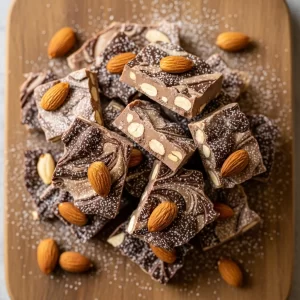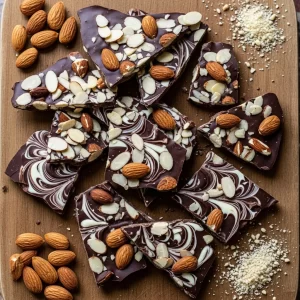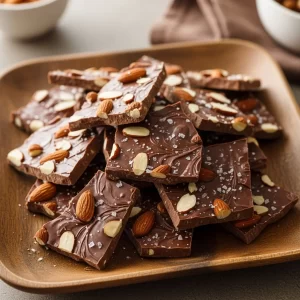

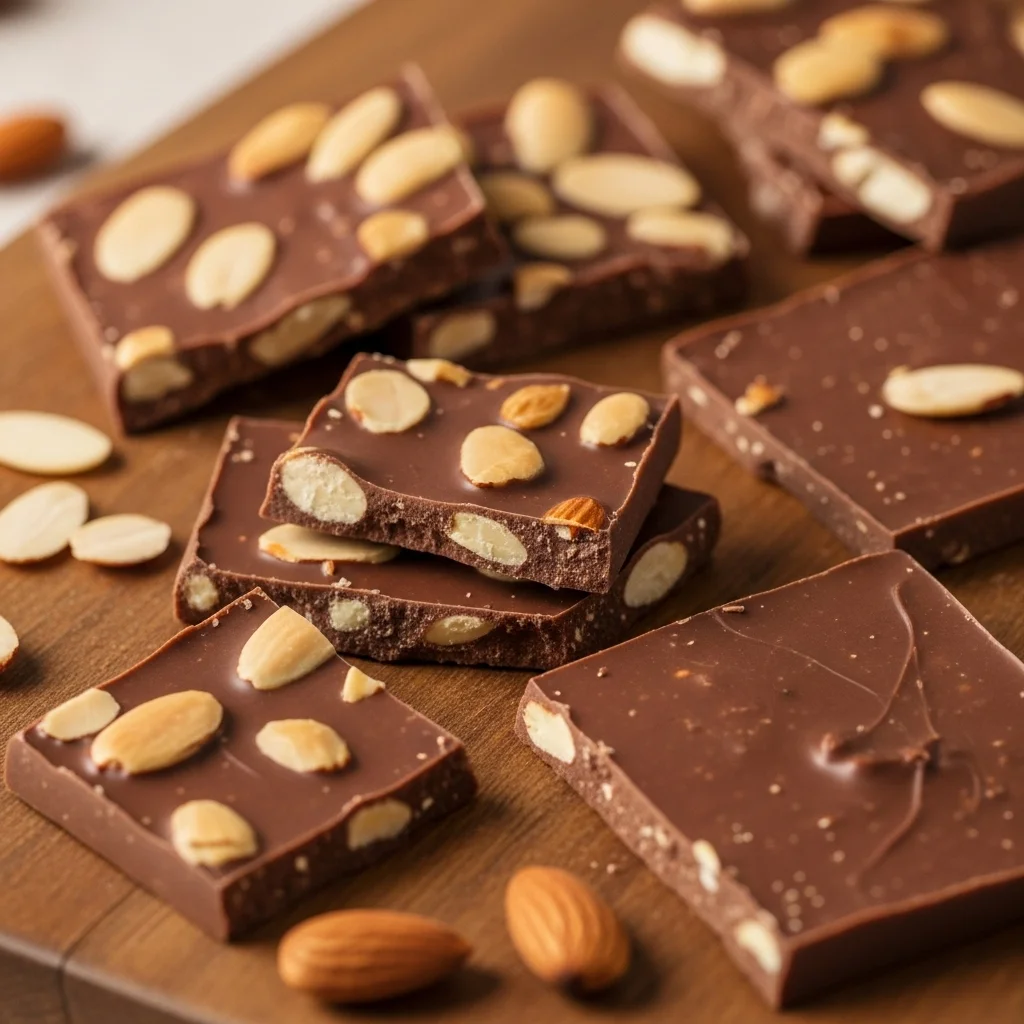
There’s a certain magic that happens when smooth, velvety chocolate meets the satisfying snap of a crunchy bite. Almond bark chocolate, with its luscious blend of rich cocoa and toasted almonds, isn’t just a treat-it’s an experience that dances between creamy sweetness and nutty texture. In this article, we’ll unwrap the story behind this beloved confection, explore what makes almond bark uniquely delightful, and savor the reasons it has captured the hearts of chocolate lovers around the world. Prepare to dive into the sweet, crunchy world of almond bark chocolate, where every bite tells a tale of indulgence and tradition.
Almond bark chocolate captivates with its distinctive crunchy texture and luscious flavor, making it a timeless treat beloved by many. This confection, rooted in conventional candy making, combines smooth sweetness with the satisfying snap of roasted almonds, resulting in an irresistible bite that delights both palate and senses. Whether crafted for festive occasions or a simple homemade indulgence, mastering the art of almond bark chocolate offers an opportunity to savor a uniquely satisfying balance of creamy, nutty, and sweet notes.
Prep and Cook Time
- Readiness: 15 minutes
- Setting time: 45 minutes (no baking required)
- Total Time: 1 hour
Yield
- Approximately 24 pieces (depending on portion size)
Difficulty level
- Easy – perfect for beginner and intermediate cooks
Ingredients
- 12 oz. high-quality white almond bark chocolate (or candy coating)
- 1 cup roasted whole almonds, chopped roughly
- ½ cup sweetened shredded coconut (optional, for added texture)
- 2 tbsp unsalted butter, softened for shine and smoothness
- 1 tsp pure vanilla extract
- pinch of sea salt (enhances sweetness and depth)
Instructions
- Prepare your work surface. Line a baking sheet with parchment paper or a silicone mat to ensure easy removal and clean edges once the almond bark hardens.
- Melt the almond bark chocolate. Chop it into small pieces for even melting and place in a microwave-safe bowl. Heat in 30-second intervals, stirring thoroughly between each, until smooth and fully melted. Alternatively, use a double boiler to melt gently without scorching.
- Add richness and flavor. Stir the softened unsalted butter and vanilla extract into the melted chocolate to create a glossy, velvety texture that sets beautifully.
- Mix in the crunch. Fold in the chopped almonds and shredded coconut (if using) until all pieces are evenly coated, ensuring every bite bursts with crunch and flavor.
- Season with a pinch of sea salt. This step heightens the chocolate’s sweetness and balances the overall profile to perfection.
- Spread the mixture. Pour the almond bark mixture onto the prepared baking sheet. Use an offset spatula or the back of a spoon to smooth it out to an even thickness, about ¼ inch.
- Let it set. Allow the bark to cool at room temperature for 30 minutes, then transfer to the refrigerator for 15 minutes to fully harden without sacrificing glossy texture.
- Break into pieces. Once firm, gently break or cut the almond bark into rustic shards or uniform squares – whatever suits your presentation style.
Tips for Success
- Choosing your almond bark: opt for premium almond bark chocolate with a smooth finish and reliable melting properties for the best texture.
- Temperature control: Avoid overheating chocolate as it can seize or become grainy. Remove from heat just before wholly melted and stir until smooth.
- Nut alternatives: Swap almonds for pecans, hazelnuts, or pistachios to customize flavor and crunch.
- Flavor twists: Incorporate a sprinkle of cinnamon, orange zest, or crushed peppermint candies to elevate the bark creatively.
- Make-ahead: Store almond bark chocolate in an airtight container at room temperature for up to two weeks, or freeze for longer preservation.
Serving Suggestions
Present this almond bark chocolate on a rustic wooden board, garnished with sprigs of fresh mint or edible gold leaf for an elegant touch. Pair individual pieces with complementary treats such as tart dried cranberries, salted caramel bites, or crisp apple slices for contrasting textures and flavors. For beverages, the sweet and nutty profile matches perfectly with a creamy hot cocoa or a bold espresso.
| Nutrient | Per Serving (approx.) |
|---|---|
| Calories | 150 kcal |
| Protein | 3 g |
| Carbohydrates | 18 g |
| Fat | 8 g |
For further inspiration on handcrafted chocolate delights, explore our homemade chocolate recipes. To deepen your understanding of chocolate tempering techniques, the Culinary Institute of America’s guide offers expert advice.
Q&A
Q&A: Almond Bark Chocolate – A Sweet Crunchy Delight Explored
Q1: What exactly is almond bark chocolate?
A: Despite its name, almond bark chocolate isn’t bark from a tree but a sweet confection crafted from a creamy blend of sugar, vegetable fats, and cocoa solids, often combined with crunchy almond pieces. It’s a smooth, sweet alternative to traditional chocolate that melts delightfully on the tongue, with the added crunch and nutty warmth of almonds.
Q2: How did almond bark chocolate get its start?
A: The origin story of almond bark chocolate dates back to early American candy makers who sought a more affordable and moldable chocolate substitute. By blending vegetable fats instead of cocoa butter and folding in chopped almonds, they created a versatile treat perfect for dipping, molding, and creating decorative sweets – a creative twist that quickly captured sweet tooths everywhere.
Q3: How does almond bark differ from regular chocolate?
A: The main difference lies in its composition. Traditional chocolate contains cocoa butter, while almond bark uses vegetable oils, making it easier to melt and set without tempering. This means almond bark is more forgiving for home bakers and candy artisans, offering a glossy finish and a satisfying snap with every bite, especially when it’s studded with toasted almond pieces.
Q4: Why are almonds used in almond bark?
A: Almonds bring the perfect balance of crunch, flavor, and nutrition to almond bark. Their mildly sweet, nutty taste complements the creamy sweetness of the chocolate base, while their texture adds a delightful contrast to the smooth coating, creating a harmonious bite that’s both indulgent and refreshing.
Q5: Can almond bark chocolate be used beyond just snacking?
A: Absolutely! Almond bark’s smooth melting qualities and sturdy texture make it a favorite for dipping fruits, pretzels, or cookies. It’s also ideal for crafting layered treats, festive decorations, or even homemade chocolate bark blends that mix nuts, dried fruits, and sprinkles – turning simple sweets into edible works of art.
Q6: Is almond bark chocolate a healthier option than traditional chocolate?
A: While almond bark offers the nutritional benefits of almonds, it’s still a confection rich in sugars and fats, primarily vegetable oils. It’s more about indulgence and texture than health benefits, so it’s best enjoyed in moderation as a delicious treat rather than a health food.
Q7: What are some tips for working with almond bark chocolate at home?
A: When melting almond bark, use gentle heat-preferably a double boiler or microwave in short bursts-to prevent scorching. Stir frequently to maintain a smooth consistency. Once melted, it sets quickly, so work efficiently to dip or drizzle as desired. And don’t forget: a rapid chill in the fridge speeds up setting and gives that satisfying snap!
Q8: Where can one typically find almond bark chocolate?
A: Almond bark is widely available at craft stores, baking supply shops, and many supermarkets, especially during holiday seasons. It’s frequently enough packaged in easy-to-melt blocks or chips, making it convenient for candy making and festive baking projects.
Almond bark chocolate is more than just a sweet treat – it’s a canvas for creativity, a crunchy delight, and a comforting companion for the senses. Whether you’re a seasoned confectioner or a home baker dreaming of new textures and flavors, almond bark invites you to explore its rich, nutty world bite by bite.
Closing Remarks
As we unwrap the layers of almond bark chocolate, it becomes clear that this sweet, crunchy delight is more than just a seasonal treat-it’s a versatile confection that invites creativity and indulgence alike. From simple snacking to festive garnishes, its rich, creamy texture combined with the satisfying crunch of toasted almonds makes each bite a festivity of flavor and texture. Whether you’re a seasoned chocolatier or a casual sweet tooth, exploring almond bark chocolate offers a delicious journey into the world of sweet craftsmanship, where tradition meets innovation in every luscious square. So next time you crave a treat that’s both familiar and exciting, reach for almond bark-a little bite of joy that’s as delightful as it is indeed irresistible.