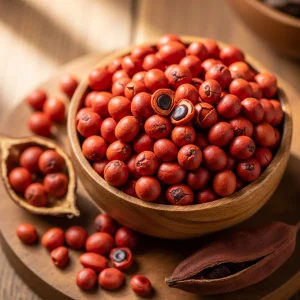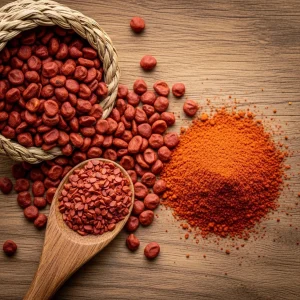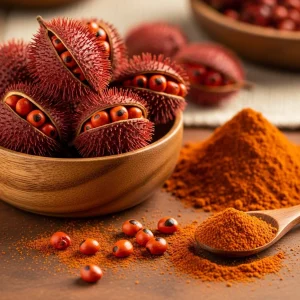

Hidden within the lush landscapes of the Americas lies a botanical marvel that has painted cultures and cuisines with its radiant hues for centuries-achiote. Often known as the “red gold” of the rainforest, achiote is far more than just a spice; it is nature’s vibrant palette, offering a burst of color and flavor that transcends borders. From the kitchens of indigenous peoples too modern culinary adventures, and from conventional body art to eco-friendly textiles, achiote reveals a story as rich and layered as its deep orange pigment. In this exploration, we uncover the fascinating origins, versatile uses, and enduring cultural significance of achiote, celebrating how this humble seed continues to brighten our world in both taste and color.
Achiote Uncovered: Nature’s Vibrant Spice and Natural Dye
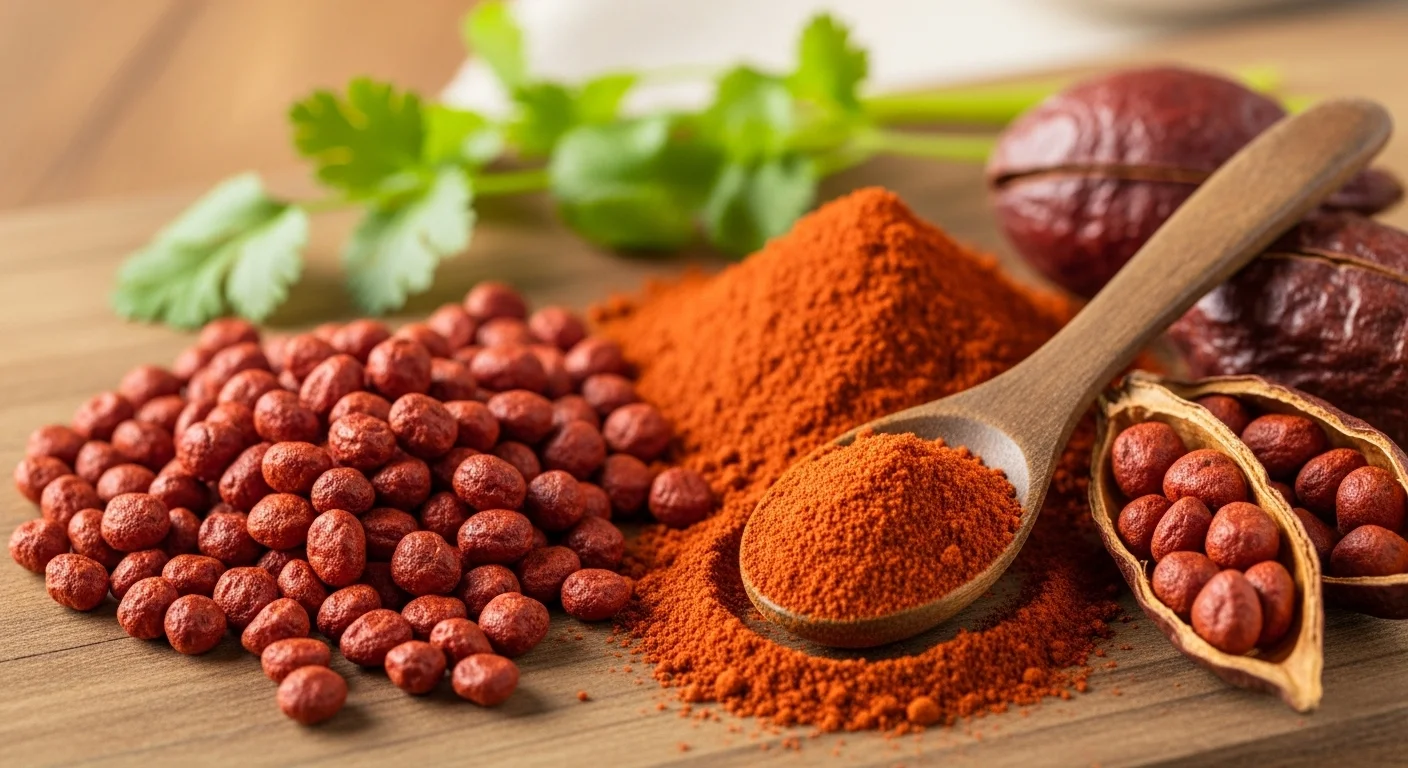
Achiote, also known as annatto, is a remarkable seed treasured for centuries across Latin America and beyond, prized not only for its brilliant color but also for its subtle earthy flavor and health benefits. When you incorporate achiote into your cooking, you’re connecting with a rich tradition that stretches from ancient indigenous rituals to modern kitchens, all while harnessing nature’s own vibrant pigment. This post unravels the culinary and cultural magic of achiote and guides you through a stunning recipe that lets its boldness shine.
prep and Cook Time
- Preparation Time: 15 minutes
- Marinating Time: 1 hour (optional for deeper flavor)
- Cook Time: 25 minutes
- Total Time: 1 hour 40 minutes
Yield
Serves 4 hearty portions
Difficulty Level
Medium – Perfect for adventurous home cooks ready to explore vibrant spices
Ingredients
- 3 tablespoons achiote seeds, ground into a powder
- 1/4 cup warm water
- 2 cloves garlic, minced
- 1 teaspoon ground cumin
- 1 teaspoon dried oregano
- 1/2 teaspoon black pepper
- 1/2 cup fresh orange juice
- 1/4 cup white vinegar
- 1 tablespoon olive oil
- 1 1/2 pounds chicken thighs, bone-in, skin removed
- salt to taste
- Fresh cilantro and lime wedges for garnish
Instructions
- Grind the achiote seeds into a fine powder using a spice grinder or mortar and pestle for the freshest, moast vibrant color and flavor.
- Combine the achiote powder with warm water to create a vivid orange-red paste, stirring well until smooth.
- Add garlic, cumin, oregano, black pepper, orange juice, white vinegar, and olive oil to the achiote paste, mixing thoroughly to build a balanced marinade.
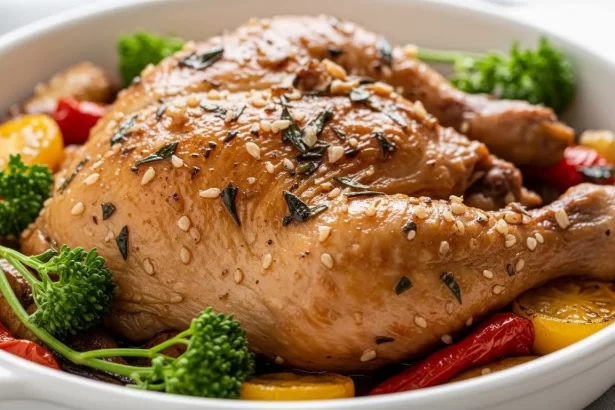
- Season the chicken thighs generously with salt, than coat them evenly with the achiote marinade. Cover and refrigerate for at least 1 hour to allow the flavors to meld deeply.
- preheat a large skillet or grill pan over medium heat. Place chicken thighs skin-side down if skin-on; since skin is removed here, start cooking on one side until the color deepens and the edges caramelize, about 7-8 minutes.
- Flip the chicken and continue cooking until juices run clear and the internal temperature reaches 165°F (74°C), about 10-12 minutes more. Keep the pan covered to lock in moisture.
- remove from heat and let the chicken rest for 5 minutes before serving,allowing the juices to redistribute for perfect tenderness.
Chef’s Notes: Tips for Success
- To enhance the achiote flavor, toast the seeds lightly in a dry skillet before grinding, releasing essential oils and deepening the aroma.
- For a vegetarian option, substitute chicken with firm tofu or roasted vegetables such as bell peppers and zucchini-coat them well in the achiote marinade and grill or roast until tender.
- Storage: Leftover achiote marinade can be refrigerated for up to 3 days; use it to enliven soups, stews, or rice dishes.
- Make ahead: Marinate the chicken overnight in the refrigerator for an even more robust flavor profile.
- Color caution: Achiote stains easily, so wear gloves or wash hands promptly after handling.
Serving Suggestions
Serve your achiote-marinated chicken alongside fluffy coconut rice or warm corn tortillas to showcase its vibrant hue and earthy flavor.Garnish with fresh cilantro leaves and a squeeze of lime juice to introduce a lively brightness.A crisp avocado salad or pickled red onions also pair beautifully, balancing richness and adding texture contrast. For an authentic touch,drizzle a little extra achiote oil made from infusing seeds in olive oil to deepen color and aroma.

| Nutrient | Per Serving |
|---|---|
| Calories | 320 kcal |
| Protein | 34 g |
| Carbohydrates | 4 g |
| Fat | 18 g |
Exploring Achiote uncovered: A Cultural and Nutritional Treasure
Beyond its culinary allure, achiote seeds have a rich cultural legacy in indigenous communities, where they symbolize protection, health, and identity. Traditionally used in ceremonial body painting and textile dyeing, the seeds impart a bold red-orange pigment derived from natural carotenoids.Recent studies from NCBI highlight achiote’s antioxidant properties, with compounds linked to anti-inflammatory and digestive health benefits. Nutritionally, achiote is low-calorie yet packed with carotenoids, vitamins, and trace minerals that enhance wellbeing.
Incorporating achiote in your everyday cooking or crafts is an inspired way to embrace sustainability and tradition. Its natural dye option reduces reliance on synthetic colors, making it ideal for eco-conscious artists and textile creators. Experiment by infusing fabrics with achiote paste, creating warm-hued scarves or decorative crafts with a soulful story woven into every thread.
For more vibrant spice inspirations,explore our Latin American Spices guide to deepen your flavor arsenal.
Q&A
Q&A: Achiote Uncovered – Nature’s Vibrant Spice and Natural Dye
Q1: What exactly is achiote?
Achiote, also known as annatto, is a radiant reddish-orange seed from the Bixa orellana tree, native to tropical regions of the Americas. These tiny seeds have been cherished for centuries-not just as a spice that adds a warm, peppery flavor to dishes, but also as a natural dye that paints both food and fabric with its distinctive, sunny hue.
Q2: Why has achiote been so important historically?
Long before synthetic dyes and spices flooded markets, indigenous peoples across central and South America used achiote as a multifunctional treasure. It was prized for its culinary uses, coloring foods with a golden blush, but also held cultural significance as body paint for rituals, symbolizing protection and vitality. Its natural pigments were woven into the very fabric of daily life and ceremony.Q3: What does achiote taste like?
Achiote strikes a delicate balance-earthy and slightly peppery with subtle hints of nuttiness. It’s not overpowering but lends a gentle warmth and a touch of brightness to dishes. Think of it as the spice that whispers rather than shouts, a mellow companion to meats, rice, and stews.
Q4: How is achiote used as a natural dye?
The seeds contain carotenoid pigments-mainly bixin-that dissolve in oils and water to release a radiant orange-red color. Artisans have long extracted achiote dye for painting fabrics,crafting cosmetics,and even coloring candles. Because it’s plant-based, achiote dye is biodegradable and safe, making it a enduring choice for natural coloring.
Q5: Can achiote be incorporated into modern cooking?
Absolutely! Chefs around the world now embrace achiote’s rich heritage and vibrant flavor. It’s the secret behind the brilliant color of dishes like Mexican cochinita pibil and Filipino kare-kare. Whether ground into pastes, steeped into oils, or sprinkled as a powder, achiote adds a rustic charm and dynamic color that brighten any plate.Q6: Are there any health benefits associated with achiote?
Besides its culinary allure, achiote contains antioxidants and compounds with anti-inflammatory properties. Traditional medicine has used it for digestive aid, skin healing, and even as a mild antimicrobial. While research is ongoing, the healthful qualities of achiote add another layer to its ancient appeal.Q7: Where can one source achiote today?
Achiote is widely available in Latin American markets, specialty spice shops, and online. It comes in various forms-whole seeds, powdered spice, or paste-allowing cooks and craftsmen alike to choose the form that best suits their needs.
Q8: How can I experiment with achiote at home?
Try toasting the seeds lightly and grinding them fresh for the most vibrant flavor, or simmer them in oil to make an achiote-infused coloring agent perfect for rice or grilled meats.For dyeing projects, soak seeds in warm water or oils to extract the pigment and apply to natural fabrics for a glowing, earthy orange tint.
Achiote is more than just a spice or a dye-it’s nature’s brushstroke of warmth, history, and culture, waiting to color your kitchen and craft with its timeless magic.
Wrapping Up
As the warm hues of achiote continue to color kitchens and cultures around the world, this remarkable seed reminds us that nature’s palette is as vibrant as it is versatile. More than just a spice or dye, achiote embodies the rich stories of tradition, health, and sustainability woven into every pinch and brushstroke. By uncovering achiote’s secrets, we not only add zest and vividness to our meals and crafts but also connect with centuries of heritage painted in bold, natural tones. In embracing achiote, we celebrate a humble seed that transforms the ordinary into the extraordinary-one vibrant splash at a time.