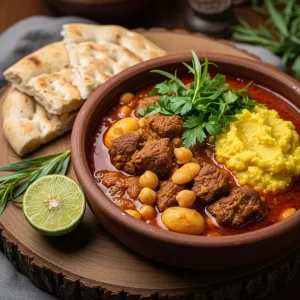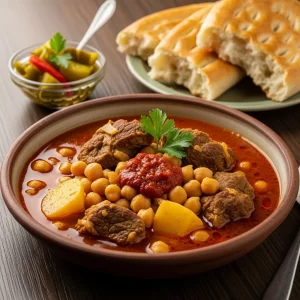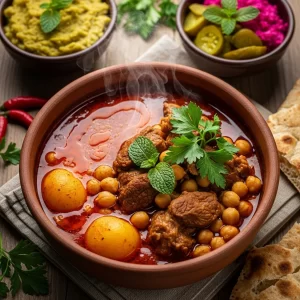

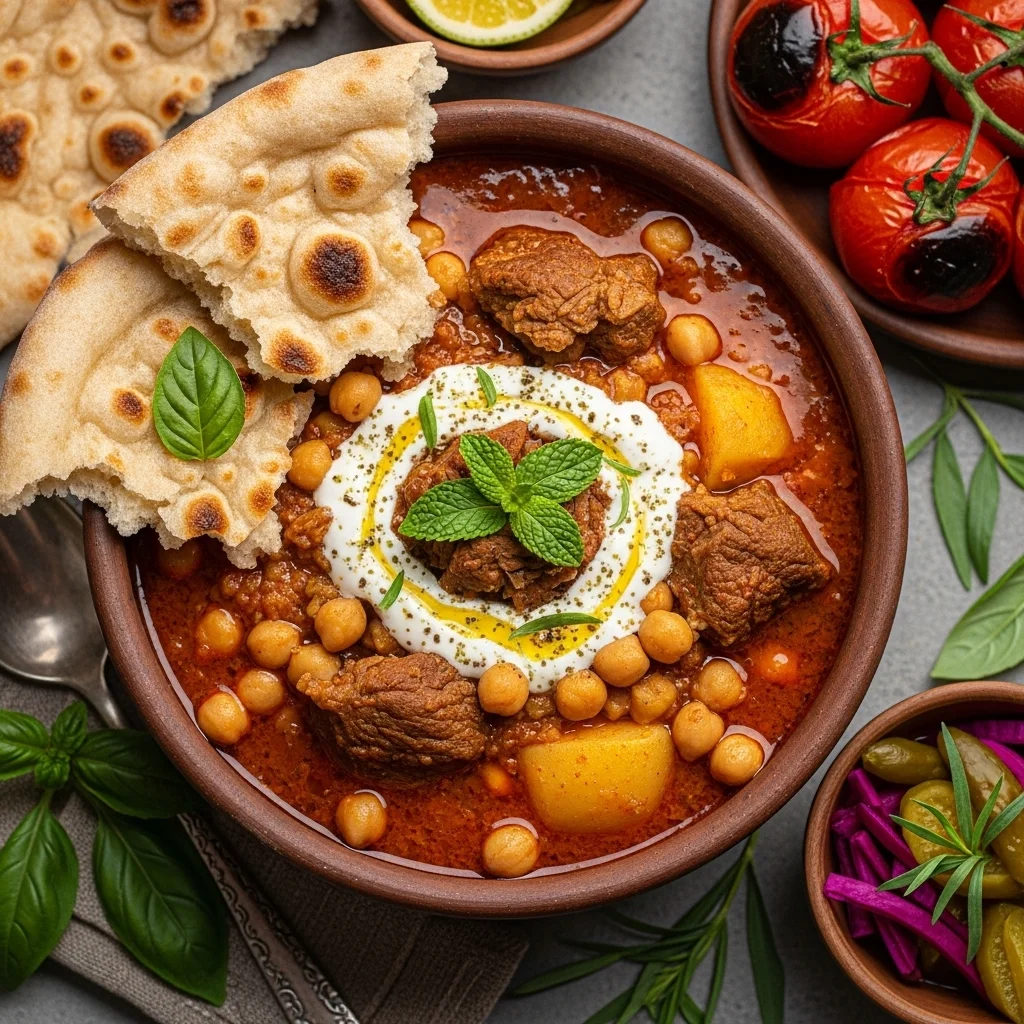
In the heart of Iranian cuisine lies a humble yet profoundly soulful dish known as Abgoosht-a stew that transcends mere nourishment to become a cultural emblem steeped in tradition and history. Often referred to as “meat water,” this hearty blend of tender lamb, chickpeas, white beans, potatoes, and aromatic spices simmers slowly to create a rich tapestry of flavors that warm both body and spirit. But Abgoosht is far more than a comforting meal; it is a culinary ritual that invites connection, storytelling, and a shared recognition for the artistry embedded in every ladleful. join us as we uncover the layers of IranS soulful stew tradition, exploring its origins, preparation, and enduring place at the heart of Persian hospitality.
Abgoosht, often celebrated as Iran’s soulful stew tradition, is a dish that perfectly embodies the rich culinary heritage of Iranian homes. Known for its heartwarming blend of tender meats, earthy legumes, and fragrant spices, this stew invites you into a comforting world of bold flavors and age-old cooking rituals. My first encounter with Abgoosht was in a bustling Tehran kitchen,where the aroma of simmering lamb and chickpeas instantly conjured feelings of family,festivity,and cultural pride.This recipe aims to demystify the beloved stew, making it approachable for home cooks while preserving its authentic essence.
Prep and Cook Time
- Preparation: 20 minutes
- Cooking: 3 hours
- Total Time: 3 hours 20 minutes
Yield
Serves 6 generous portions
Difficulty Level
Medium – requires slow simmering and layering of flavors over time
Key Ingredients for Traditional Abgoosht
- 1 lb (450g) lamb shoulder, bone-in and cut into large chunks
- 1 cup dried chickpeas, soaked overnight
- 1/2 cup dried white beans, soaked overnight
- 1 large onion, thinly sliced
- 3 medium tomatoes, peeled and chopped
- 2 medium potatoes, peeled and quartered
- 1 small dried lime (limoo amani), pierced with a fork
- 4 cups water or low-sodium lamb broth
- 2 tsp turmeric powder
- 1 tsp cinnamon stick
- Salt and freshly ground black pepper, to taste
- 2 tbsp vegetable oil
- Flatbread (lavash or sangak), for serving
Step-by-Step Guide to Preparing traditional Abgoosht at Home
- Soak the legumes: Rinse chickpeas and white beans fully, then soak them in cold water overnight (8-12 hours) to reduce cooking time and enhance texture.
- Sear the lamb: In a heavy-bottomed pot, heat vegetable oil over medium heat. Add the lamb chunks and brown on all sides, about 5-7 minutes, sealing in juices and developing flavor.
- Prepare the aromatics: Remove lamb and set aside.add sliced onions to the pot and sauté until golden brown, about 7 minutes, stirring frequently to avoid burning.
- Add spices and tomatoes: Stir in turmeric and cinnamon stick. Cook for 1 minute, then add chopped tomatoes. Let the mixture cook down for 5-8 minutes until tomatoes soften and release their juices.
- Combine and simmer: Return lamb to the pot along with soaked chickpeas, white beans, pierced dried lime, quartered potatoes, and 4 cups water. Season with salt and pepper.
- Slow cook: Bring the pot to a boil,then reduce heat to low. Cover and let simmer gently for about 3 hours, skimming any foam or excess fat from the surface every 30 minutes.
- mash the stew: Once the meat is tender and falling off bones, remove lamb and potatoes. using a mortar and pestle or hand masher, mash chickpeas, beans, and potatoes with some cooking liquid until thick, creamy, and rustic in texture.
- Serve: Place mashed stew into shallow bowls.Serve the lamb pieces alongside. Offer flatbread for dipping and scooping, bringing diners closer to the authentic iranian Abgoosht tradition.
Tips for Success with Abgoosht
- For the most authentic flavor, use bone-in lamb shoulder.The marrow enriches the broth with a luscious depth.
- If dried lime isn’t available, substitute with a squeeze of fresh lemon juice added at the end of cooking.
- Slow simmering is key; rushing this stew will compromise tenderness and melding of flavors.
- You can make Abgoosht a day ahead – it tastes even better after resting overnight in the fridge.
- For a vegetarian adaptation, replace lamb with smoked eggplant and add extra legumes and root vegetables.
Serving Suggestions for a Complete Abgoosht Experience
Traditionally, Abgoosht is served with warm lavash or sangak flatbread, perfect for tearing and dipping. Complement your meal with thinly sliced raw onions, fresh herbs like parsley and mint, and tangy pickled vegetables (torshi) for a refreshing contrast. A glass of chilled Doogh, a lightly carbonated yogurt drink, enhances the dish’s earthy flavors and balances richness. For dessert, enjoy fragrant Persian saffron ice cream or fresh pomegranate seeds to keep with tradition.
| nutrient | Per Serving |
|---|---|
| Calories | 420 kcal |
| Protein | 32 g |
| carbohydrates | 30 g |
| Fat | 18 g |
For deeper exploration of persian culinary traditions, check out our Persian Spice Guide to master flavor layering in your kitchen.
Q&A
Q&A: Abgoosht Uncovered – Iran’s Soulful stew Tradition Explored
Q1: what exactly is Abgoosht, and why is it considered the soul of Iranian cuisine?
A: Abgoosht, often translated as “meat broth” or “stone broth,” is a hearty, traditional Iranian stew that transcends mere sustenance-it embodies centuries of culture, community, and comfort. Made with tender lamb, chickpeas, white beans, potatoes, tomatoes, and fragrant Persian spices, Abgoosht simmers slowly to create a rich broth that nourishes both body and soul. It’s considered the soul of Iranian cuisine because it brings people together around the table, inviting shared stories and warmth with every spoonful.
Q2: How is Abgoosht traditionally prepared and served?
A: The preparation of Abgoosht is almost ritualistic. The ingredients are gently stewed in a clay pot over low heat for several hours until the meat falls off the bone and the flavors meld into a luscious broth. When served, the stew is traditionally strained- broth in one bowl, and the meat and beans mashed together into a coarse paste called “gusht kubideh.” This paste is then eaten with flatbread, often lavash or sangak, accompanied by fresh herbs, pickles, and raw onions.The process of breaking and mashing the stew is as much a part of the dining experience as the eating itself.
Q3: What makes Abgoosht different from other stew recipes around the world?
A: Unlike many stews that serve a homogenous dish, Abgoosht’s uniqueness lies in its two-part serving method-the clear, aromatic broth and the mashed solids. This duality allows diners to savor the stew both as a soup and a dense, flavorful mash. Moreover, the use of Persian spices like turmeric and dried lime peel imparts a distinct tangy warmth not commonly found in Western stews. Abgoosht isn’t just food; it’s a tactile,participatory tradition that engages senses beyond taste.
Q4: Does Abgoosht have regional variations within Iran?
A: Absolutely! While the core ingredients remain consistent, regional touches reflect local tastes and available produce. For example,in Tehran,the stew might lean towards richer cuts of lamb and a heavier emphasis on dried lime for that signature sour note. In the northern provinces near the Caspian Sea, herbs and aromatic greens sometimes find their way into the pot, adding a fresh counterpoint. These nuances make every Abgoosht experience uniquely Iranian yet subtly tied to its place of origin.
Q5: How has Abgoosht maintained its relevance in modern Iranian life?
A: Despite the rapid pace of contemporary life, Abgoosht holds a steadfast place in Iranian hearts due to its connection to family and tradition. Many Iranians cherish the stew as a weekend or special occasion meal, a kind of culinary anchor amid change. Moreover, Abgoosht’s communal style of eating encourages slowing down and sharing, which counters the fast-food culture creeping into urban centers. In restaurants across Iran and in Iranian diaspora communities worldwide, Abgoosht remains an edible link to heritage and home.
Q6: Can Abgoosht be adapted for different dietary preferences or restrictions?
A: While lamb and legumes form the foundation of traditional Abgoosht, creative adaptations have blossomed-especially among those seeking vegetarian or health-conscious options. Vegetable stews mimicking Abgoosht’s flavors rely on hearty beans, mushrooms, and robust spices to recreate the depth of the original.For gluten-free diners, the stew can be paired with alternative flatbreads or enjoyed solo. These modern takes honor the spirit of Abgoosht by focusing on warmth, sustenance, and sharing, proving its timeless versatility.
Q7: What cultural rituals or stories are typically associated with Abgoosht?
A: More than just a meal, Abgoosht is wrapped in storytelling traditions and social rituals. Historically,neighbors might come together to prepare Abgoosht communally during colder months,sharing labor and laughter. Within families, elders often recount tales of past gatherings or regional lore while the stew simmers, weaving history into the very fabric of the meal. The act of mashing the meat-often a collaborative effort-symbolizes unity and transformation, making Abgoosht a living narrative passed through generations.
Abgoosht is not merely a dish; it’s an edible journey into Iran’s rich culinary soul, where every ingredient, technique, and moment at the table tells a story of endurance, warmth, and connection. Whether you’re savoring the steaming broth or the hearty mash, you’re tasting more than food-you’re tasting a culture.
The Way Forward
As the warm aroma of saffron and slow-cooked lamb lingers in the air, abgoosht emerges not just as a dish, but as a living narrative of Iran’s rich cultural tapestry. Beyond its hearty ingredients lies a tradition steeped in communal gatherings,patience,and soulful savoring-a culinary poem that invites us to slow down and taste history one spoonful at a time. whether enjoyed in a bustling Tehran eatery or recreated in a home kitchen far from Persian soil, Abgoosht continues to unite palates and hearts, reminding us that food is often the most profound storyteller of a people’s identity and heritage. So next time you dip your bread into this humble stew, know that you are partaking in a timeless ritual-where every bite is a bridge to Iran’s enduring soul.