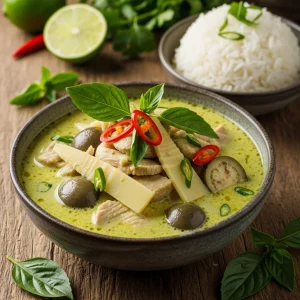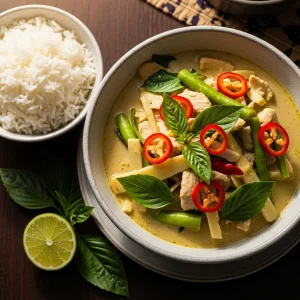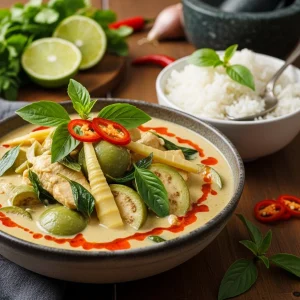

in the vibrant tapestry of global cuisine, few dishes capture the creativity quite like Thai green curry, a harmonious dance of heat, sweetness, and aromatic complexity. This iconic creation, with its vivid emerald hue and enticingly creamy texture, is much more than just a meal; it is indeed a sensory journey into Thailand’s rich culinary heritage. Unlocking the flavors of Thai green curry reveals a delicate balance of fresh herbs, spices, and ingredients that come together in perfect symphony. In this exploration, we dive beyond the surface too uncover the art and secrets behind this beloved dish, inviting you to savor not only its taste but the story and technique that transform simple elements into an unforgettable experience.
Unlocking flavor in Thai green curry begins with the extraordinary freshness of each ingredient, which breathes life and authenticity into this celebrated dish. Originating from Central Thailand, this vibrant curry artfully marries the fiery heat of chilies, the subtle sweetness of coconut milk, and the earthiness of herbs to form a symphony of flavors that tantalizes the palate. My first taste of green curry in a bustling Bangkok market forever sealed its place in my heart, inspiring countless kitchen experiments that taught me how indispensable the right technique and quality ingredients truly are.
Prep and Cook Time
Preparation: 20 minutes
Cooking: 30 minutes
Total Time: 50 minutes
Yield
Serves 4 generously
Difficulty Level
Medium – A rewarding endeavor for home cooks eager to master authentic Thai flavors
Ingredients
- 400g boneless chicken thigh, sliced thinly
- 3 tbsp Thai green curry paste (preferably homemade or high-quality bottled)
- 400ml full-fat coconut milk, shaken well
- 1 cup Thai eggplants, quartered
- 1/2 cup bamboo shoots, julienned
- 4 kaffir lime leaves, torn
- 2 tbsp fish sauce
- 2 tsp palm sugar (or light brown sugar)
- 1 cup fresh Thai basil leaves
- 2 red bird’s eye chilies, sliced thinly (optional, for extra heat)
- 2 tbsp vegetable oil or coconut oil
- 1 cup fresh cilantro stems (for garnish)
- 1/2 cup water or chicken broth
- 1 tbsp freshly grated galangal or ginger
- 2 shallots, finely chopped
- 3 garlic cloves, minced
Instructions
- Warm the oil in a heavy-bottomed pan over medium heat. Add the chopped shallots and garlic, sauté until fragrant and translucent, about 2-3 minutes.
- Incorporate the green curry paste and freshly grated galangal. Stir continuously for 2 minutes, letting the paste release its essential oils and deepen in aroma.
- Pour in half of the coconut milk and gently simmer, stirring to combine. Allow it to thicken and separate slightly, which helps mellow the spice and build creaminess.
- Add the sliced chicken thigh to the aromatic curry base. Stir carefully, making sure each piece is coated, and cook for 5-7 minutes or until the chicken turns opaque.
- Incorporate the Thai eggplants and bamboo shoots. Pour in the remaining coconut milk and water or chicken broth to loosen the curry’s consistency to your preference. Stir gently.
- Add torn kaffir lime leaves, fish sauce, and palm sugar. Allow the curry to simmer uncovered for 10-12 minutes, gently stirring occasionally. The flavors will harmonize and intensify during this resting time.
- Check seasoning and balance: taste the curry, then add more fish sauce for saltiness, palm sugar for sweetness, or chilies for heat.
- Just before serving, fold in Thai basil leaves, reserving a few for garnish. Let them wilt softly in the residual heat to preserve their fragrance.
Tips for Success
- Freshness is non-negotiable: Use freshly sliced herbs and fresh coconut milk where possible, as canned coconut milk can be thick but less aromatic.
- Control the heat: Adjust the amount of green curry paste and bird’s eye chilies based on your spice tolerance.
- Make homemade curry paste for a true artisan touch. Blend fresh green chilies, lemongrass, galangal, shallots, garlic, shrimp paste, and kaffir lime zest for maximum flavor.
- Use a mortar and pestle when preparing the curry paste, this traditional method releases oils and compounds that blenders can’t replicate.
- Substitute proteins: Try tofu for a vegetarian version or succulent prawns for a seafood twist.
- Make ahead: Prepare the curry paste and store it in the fridge or freezer, then simply assemble fresh curry on the day you wish to serve.
Serving Suggestions
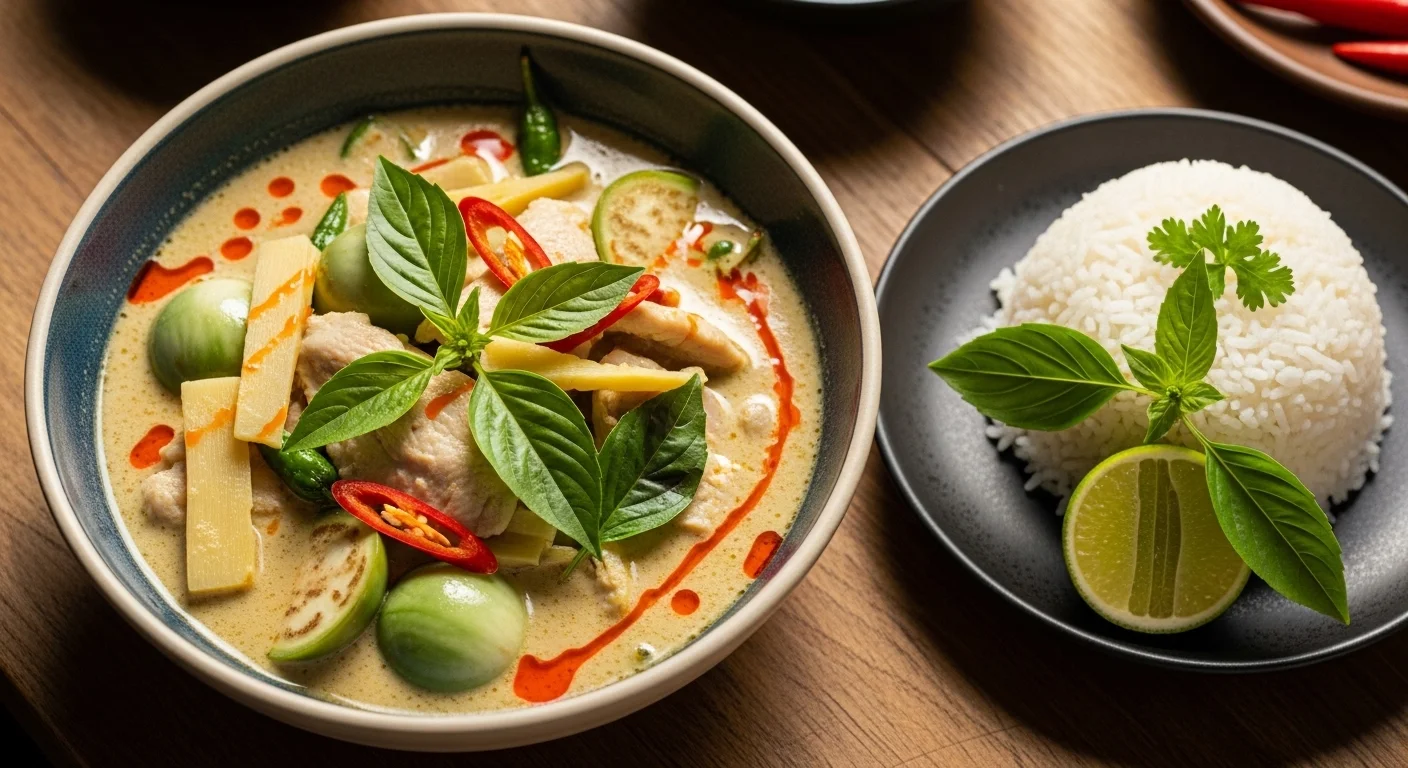
Serve your Thai green curry steaming hot in shallow bowls alongside fragrant jasmine rice or sticky rice. Garnish liberally with fresh Thai basil, cilantro sprigs, and thinly sliced red chili for visual contrast and a burst of freshness. A side of crisp cucumber salad with a squeeze of lime balances the richness perfectly.
| Nutrition (per serving) | amount |
|---|---|
| Calories | 420 kcal |
| Protein | 35 g |
| Carbohydrates | 12 g |
| Fat | 25 g |
For those eager to dive deeper into Thai cuisine techniques, explore our detailed guide on crafting homemade Thai curry paste. Learn about the cultural roots and versatile applications of these vibrant flavors.
To explore the science behind balancing curry flavors further, the Serious Eats guide on Thai flavor balancing is an excellent resource for both beginners and seasoned cooks.
Q&A
Q&A: Unlocking Flavor – The Art and Secrets of Thai Green Curry
Q1: What makes Thai green curry distinctly flavorful compared to other curries?
A1: Thai green curry’s signature flavor arises from its vibrant blend of fresh green chilies, aromatic herbs like kaffir lime leaves and Thai basil, and the creamy richness of coconut milk. Unlike heavier, spice-laden curries, its balance of heat, sweetness, and herbal brightness creates a complex but harmonious taste that dances on the palate.
Q2: What are the core ingredients that define authentic Thai green curry?
A2: At the heart of authentic Thai green curry is the green curry paste, made from pounding together fresh green chilies, garlic, shallots, galangal, lemongrass, coriander root, cumin, and shrimp paste. These ingredients create a fresh, pungent base. When combined with coconut milk, fresh vegetables, your choice of protein, and finishing touches like Thai basil and fish sauce, the dish comes alive with distinctive depth.
Q3: How important is the preparation of the curry paste? Can store-bought paste suffice?
A3: While store-bought paste offers convenience, crafting your own paste is where the magic truly begins. The traditional mortar and pestle method releases essential oils and blends flavors more intimately, resulting in a fresher, more vibrant curry. Homemade paste allows control over heat levels and freshness, elevating the dish from good to extraordinary.
Q4: What role does coconut milk play beyond creaminess?
A4: Coconut milk does more than lend creaminess-it softens the curry’s fiery edge and acts as a flavor carrier, evenly distributing the aromatic spices and herbs. Its natural sweetness balances the spiciness, creating that signature luscious mouthfeel and mellow complexity integral to Thai green curry’s charm.
Q5: Can Thai green curry be adapted for different dietary preferences without losing its essence?
A5: absolutely! While traditionally paired with chicken or seafood, Thai green curry is versatile.Substituting tofu or mixed vegetables keeps it vegetarian or vegan-amiable, and swapping fish sauce with soy or tamari preserves umami flavors. The key is maintaining the balance of heat, sweetness, and herbal notes that define the dish’s soul.
Q6: What cooking tips can definitely help someone unlock the full flavor potential of Thai green curry?
A6: Start by gently frying the curry paste in a little coconut cream to “wake up” the spices and aromas. Add coconut milk gradually to control richness and layering of flavor. Never rush the simmer, allowing the curry to gently meld intensifies its depth. Fresh herbs added at the end preserve their luminous fragrance, completing the flavor symphony.
Q7: Why is Thai green curry considered not just a dish, but an art form?
A7: Thai green curry is a culinary tapestry woven from history, culture, and meticulous technique. Each ingredient is a brushstroke; every step layers flavors like a masterful composition. The balance of heat, sweetness, creaminess, and herbal freshness requires intuition and practice, making its preparation both a flavorful science and poetic art. Unlocking its secrets is an invitation to experience Thai culture thru taste.
Final Thoughts
As the vibrant aromas of Thai green curry linger in the air, it’s clear that this dish is more than just a meal, it’s a symphony of flavors, cultures, and culinary mastery. Unlocking the secrets behind its bold yet balanced taste reveals the thoughtful harmony of fresh herbs, fiery chilies, and creamy coconut milk, each ingredient playing its part in a delicious dance. Whether you’re a seasoned chef or a curious foodie, embracing the art of Thai green curry opens a doorway to a world where tradition and creativity meld in every spoonful. So next time you savor that emerald-hued delight, remember: you’re tasting centuries of heritage, skillfully transformed into a timeless flavor adventure.