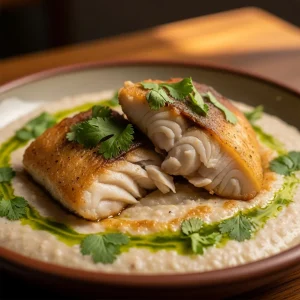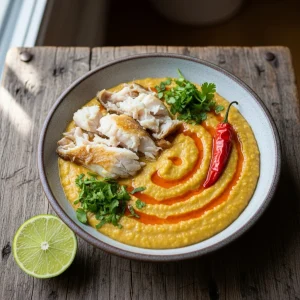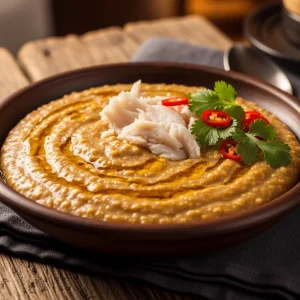

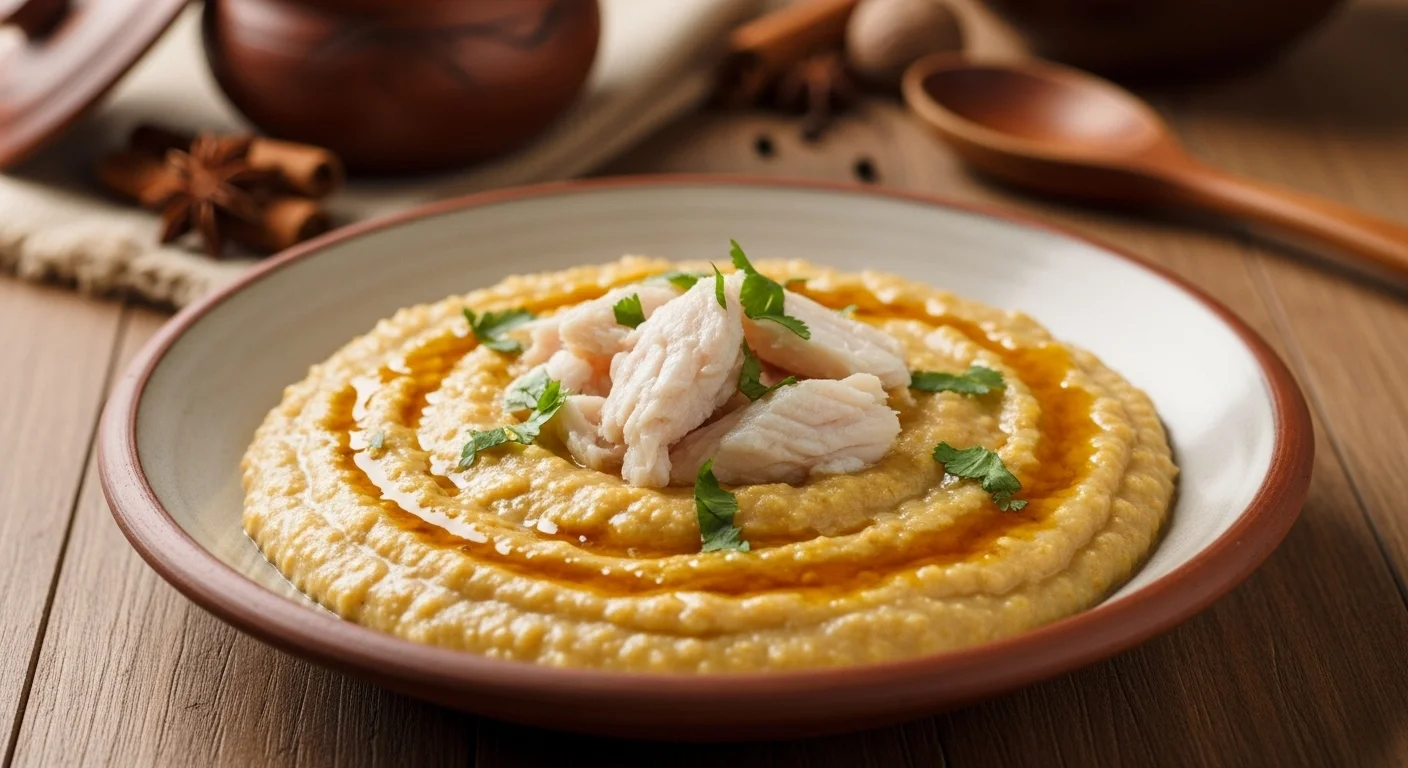
Along the sun-kissed shores of East Africa, where the ocean’s whispers mingle with the aroma of sizzling spices, a culinary treasure unfolds: Swahili porridge with fish. This coastal delicacy is more than a meal, it’s a party of heritage, a fusion of flavors that tells the story of vibrant cultures meeting between sea and land. Blending creamy, comforting porridges with the fresh, savory essence of local fish, this dish captures the heart of Swahili cuisine, inviting food lovers on a sensory voyage through the rich tapestry of the African coast. Join us as we explore the origins, ingredients, and traditions behind this beloved coastal culinary delight.
Swahili Porridge with Fish: A Coastal Culinary Delight
Swahili Porridge with Fish is a cherished coastal culinary delight that encapsulates the vibrant culture, history, and rich flavors of East Africa’s Swahili coast. This dish marries creamy, mildly spiced porridge with tender, freshly caught fish, creating a fusion that has nourished generations by the Indian Ocean. For me, uncovering this recipe was like rediscovering a coastal treasure that transcends mere sustenance, it’s a feast that tells stories of bustling fish markets, fragrant spice routes, and communal gatherings under the sun-kissed shores.
Prep and Cook Time
- Readiness: 20 minutes
- Cooking: 40 minutes
- Total Time: 1 hour
Yield
Serves 4 generous portions
Difficulty Level
Medium – Perfect for adventurous cooks eager to explore authentic coastal flavors
Ingredients
- 1 cup millet flour (or finely ground cornmeal for variation)
- 4 cups water or fish stock
- 400g (14 oz) fresh firm white fish fillets (snapper or kingfish recommended),cut into chunks
- 2 tbsp coconut oil or vegetable oil
- 1 medium onion, finely chopped
- 2 cloves garlic, minced
- 1 tsp freshly grated ginger
- 1 fresh chili, deseeded and finely sliced (adjust to taste)
- 1 ripe tomato, diced
- 1 tsp turmeric powder
- ½ tsp ground coriander
- ½ tsp ground cumin
- Salt and freshly ground black pepper to taste
- Fresh coriander leaves for garnish
- Juice of 1 lemon
Step-by-Step Guide to Preparing Swahili Porridge with Perfect Texture
- Prepare the base: In a large saucepan, bring the water or fish stock to a gentle boil. Gradually whisk in the millet flour to avoid lumps, stirring continuously until it thickens into a creamy porridge with a smooth, velvety texture.
- Sauté aromatics: While the porridge simmers, heat coconut oil in a skillet over medium heat. Add the chopped onion, cooking until translucent, about 4 minutes. Stir in garlic, ginger, and sliced chili, sautéing until fragrant, roughly 2 minutes.
- Build flavor: Add the diced tomato, turmeric, coriander, and cumin to the skillet. Cook gently, allowing the tomato to break down into a rich sauce, about 6 minutes. Season lightly with salt and pepper.
- Cook the fish: add the fish chunks to the skillet, gently folding them into the spice mixture. Cover and simmer for 7-10 minutes, turning carefully to avoid breaking the fish, until they are cooked through but still tender and moist.
- Combine and finish: Once the porridge reaches your desired thickness (creamy yet spoonable), fold the cooked fish and spices gently into the porridge pan. Warm together for a minute or two, ensuring all flavors meld harmoniously.
- Elevate with freshness: Remove from heat and stir in the lemon juice. Adjust seasoning with extra salt or chili if desired.
Selecting the Freshest Fish and Key Ingredients for Authentic Flavor
Choosing the right fish is paramount for authentic Swahili Porridge with Fish. Coastal markets along the Swahili coast abound with options like snapper, kingfish, or grouper – all prized for firm flesh and mild flavor that absorbs the spices beautifully. When selecting fish, look for clear, shiny eyes, bright red gills, and firm flesh that springs back when pressed.
equally vital are the core ingredients: millet flour maintains tradition but cornmeal is a welcome alternative that brings a subtly sweeter profile. Fresh aromatics including garlic, ginger, and chili infuse warmth and depth. The inclusion of coconut oil and turmeric pays homage to the Indian Ocean spice routes, imparting an earthy richness that is signature to this coastal dish.
Pairing Suggestions and Serving Tips for an unforgettable Coastal Feast
This dish shines brightest when celebrated in company. Serve piping hot, garnished with vibrant fresh coriander leaves and a wedge of lemon for an extra zing. Complement the porridge with crunchy roasted cashews or a tangy mango chutney for layered textures and flavors.
For sides, consider roasted cassava chips or a simple salad of cucumber and red onion dressed in lime for a bright, crunchy contrast.
Chef’s Notes: Tips for Success
- Texture perfection: Stir the porridge continuously during cooking to avoid clumps and ensure creaminess.
- Fish alternatives: Mahi-mahi or tilapia can be substituted,but opt for fresh and firm fillets.
- Make-ahead: the porridge can be prepared in advance; just add the fish last before serving to keep it tender.
- Spice level: Adjust the chili quantity according to your palate; for a milder version, omit seeds entirely.
- Vegan adaptation: Replace fish stock and fish with sautéed mushrooms or jackfruit and use vegetable broth for a plant-based take.
| Nutrient | Per Serving |
|---|---|
| Calories | 320 kcal |
| protein | 28 g |
| Carbohydrates | 32 g |
| Fat | 10 g |
Q&A
Q&A: Swahili Porridge with Fish – A Coastal Culinary Delight
Q1: What is Swahili Porridge with Fish?
A1: Swahili Porridge with Fish is a traditional coastal East African dish that marries the creamy, comforting texture of porridge with the fresh, savory flavors of the ocean. Rooted in the rich culinary heritage of the Swahili coast, this dish typically features a cornmeal or rice-based porridge paired with succulent fish, frequently enough simmered in aromatic spices and coconut milk.
Q2: Where does this dish originate from?
A2: This coastal treasure hails from the Swahili coast, stretching along Kenya and Tanzania’s shores, where the Indian Ocean’s bounty has long influenced local cuisine. The dish reflects a fusion of African, Arab, and Indian culinary traditions, weaving together flavors and techniques that celebrate the ocean’s generosity.
Q3: What kind of fish is traditionally used?
A3: Often, local varieties such as kingfish, tilapia, or snapper are preferred due to their firm texture and ability to soak up spices and coconut milk beautifully. Freshness is key – the fish’s natural briny taste enhances the porridge’s mellow, creamy base.
Q4: How is the porridge prepared?
A4: The porridge foundation is usually made from finely ground cornmeal or rice flour, slowly cooked with water or coconut milk into a velvety consistency. The coconut milk adds a subtle sweetness and richness, balancing the spices entwined in the fish stew that accompanies it.
Q5: What spices and ingredients give this dish its signature flavor?
A5: The aromatic allure comes from a vibrant blend of garlic, ginger, turmeric, cumin, and the gentle heat of chili peppers. Fresh cilantro and a splash of lime juice frequently enough finish the dish, adding brightness and a hint of tang that lifts every bite.
Q6: Is Swahili Porridge with Fish eaten during any special occasions?
A6: While it’s a beloved everyday comfort food along the coast, this dish also features prominently during festive gatherings and family celebrations. its warm, hearty nature makes it perfect for sharing stories and laughter around the dinner table.
Q7: Can this dish be adapted for different tastes or dietary needs?
A7: Absolutely! Vegetarians might swap the fish for hearty vegetables like eggplant or mushrooms, while those seeking less spice can tone down the chili. Gluten-free variants shine with rice-based porridge, ensuring everyone can savor this coastal delight.
Q8: How does Swahili Porridge with Fish reflect the culture of the Swahili coast?
A8: Beyond its ingredients, the dish embodies the Swahili coast’s spirit of openness and fusion – blending indigenous African traditions with Arab, Persian, and Indian influences brought through centuries of trade.It’s a delicious story on a plate, representing history, community, and the ocean’s gifts.
Q9: What drinks pair well with this dish?
A9: Light, refreshing beverages complement the rich flavors wonderfully – think chilled tamarind juice, spiced ginger tea, or a crisp coconut water straight from the shell.For those who enjoy wine, a crisp, citrusy white wine like Sauvignon Blanc enhances the dish’s tropical notes.
Q10: Where can one try authentic Swahili Porridge with Fish if visiting East Africa?
A10: Coastal towns like Mombasa in Kenya or Zanzibar in Tanzania are culinary havens brimming with local eateries serving this dish. Visiting local markets and family-run “mitaa” restaurants will offer the most authentic experiences, allowing travelers to taste the true heart of Swahili cuisine.
Insights and Conclusions
As the sun dips below the horizon of East Africa’s shimmering coastline, the humble Swahili porridge with fish stands as a testament to the region’s rich culinary heritage-a dish that is as comforting as it is flavorful. Rooted in centuries of coastal tradition, this hearty porridge weaves together the ocean’s bounty with the warm spices and textures that define Swahili cuisine. Whether savored at a bustling local market or prepared in a seaside home, each spoonful tells a story of community, culture, and the timeless dance between land and sea. For those eager to explore the vibrant flavors of the swahili coast, this porridge invites you to taste not just a meal, but a delicious chapter of history itself.