
There’s something undeniably magical about a slow-roasted prime rib, a centerpiece that commands attention, tantalizes the senses, and promises a feast unlike any other. Achieving that perfect balance of juicy, tender meat with a beautifully caramelized crust may seem like an elusive culinary art, but with the right techniques and a little patience, mastering slow-roasted prime rib is well within reach. In this article, we’ll unravel the secrets behind crafting this show-stopping roast, guiding you step-by-step toward a succulent, melt-in-your-mouth masterpiece that will turn any gathering into an unforgettable celebration. Prepare to elevate your roast game and savor prime rib perfection like never before.
Mastering Slow-Roasted Prime Rib begins with understanding the essence of selecting the ideal cut and preparing it with care to unlock the juiciest, most tender results. This dish, beloved for its rich marbling and deep beef flavor, demands respect in both choice and technique. Originating from classic roasts that grace holiday tables and celebratory feasts, slow-roasted prime rib has the enchanting ability to become the star of any meal without overwhelming complexity. By focusing on precision in seasoning, slow cooking, and thoughtful resting, you’ll transform a simple cut into a breathtaking centerpiece.
Prep and cook Time
- Preparation: 20 minutes
- Marinating: 12-24 hours (optional but recommended)
- Cooking: 3-4 hours (depending on size and temperature)
Yield
Serves 8-10 guests-for a crowd-pleasing centerpiece to share
Difficulty level
Medium – achievable with some planning and attention to detail
Ingredients
- 1 prime rib roast (7-8 pounds), bone-in, tied
- 4 tablespoons kosher salt
- 2 tablespoons freshly ground black pepper
- 3 tablespoons garlic powder
- 2 tablespoons fresh rosemary needles, finely chopped
- 2 tablespoons fresh thyme leaves, finely chopped
- 2 tablespoons olive oil or melted butter
- 1/2 cup beef broth (optional, for pan sauce)
instructions
- Choosing the cut: Select a prime-grade rib roast with well-distributed marbling. The fat acts as a natural basting agent during slow roasting, ensuring each bite is tender and flavorful.
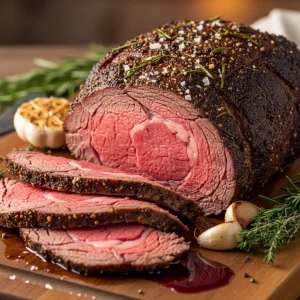
- Seasoning: In a small bowl, mix kosher salt, black pepper, garlic powder, rosemary, and thyme. Pat the prime rib dry with paper towels to encourage a crisp crust, then rub the olive oil evenly over the surface. Generously coat the roast with the seasoning blend, pressing into the meat to adhere well. For best flavor, refrigerate uncovered for 12-24 hours.
- Bringing to room temperature: Remove the roast from the fridge at least 1 hour before cooking to ensure even cooking throughout.
- Slow roasting: Preheat your oven to 225°F (107°C). Place the roast on a rack in a roasting pan, fat side up. Insert a probe thermometer into the thickest part of the meat, avoiding the bone. Roast until the internal temperature reaches 125°F (52°C) for medium-rare, approximately 3-4 hours depending on size.
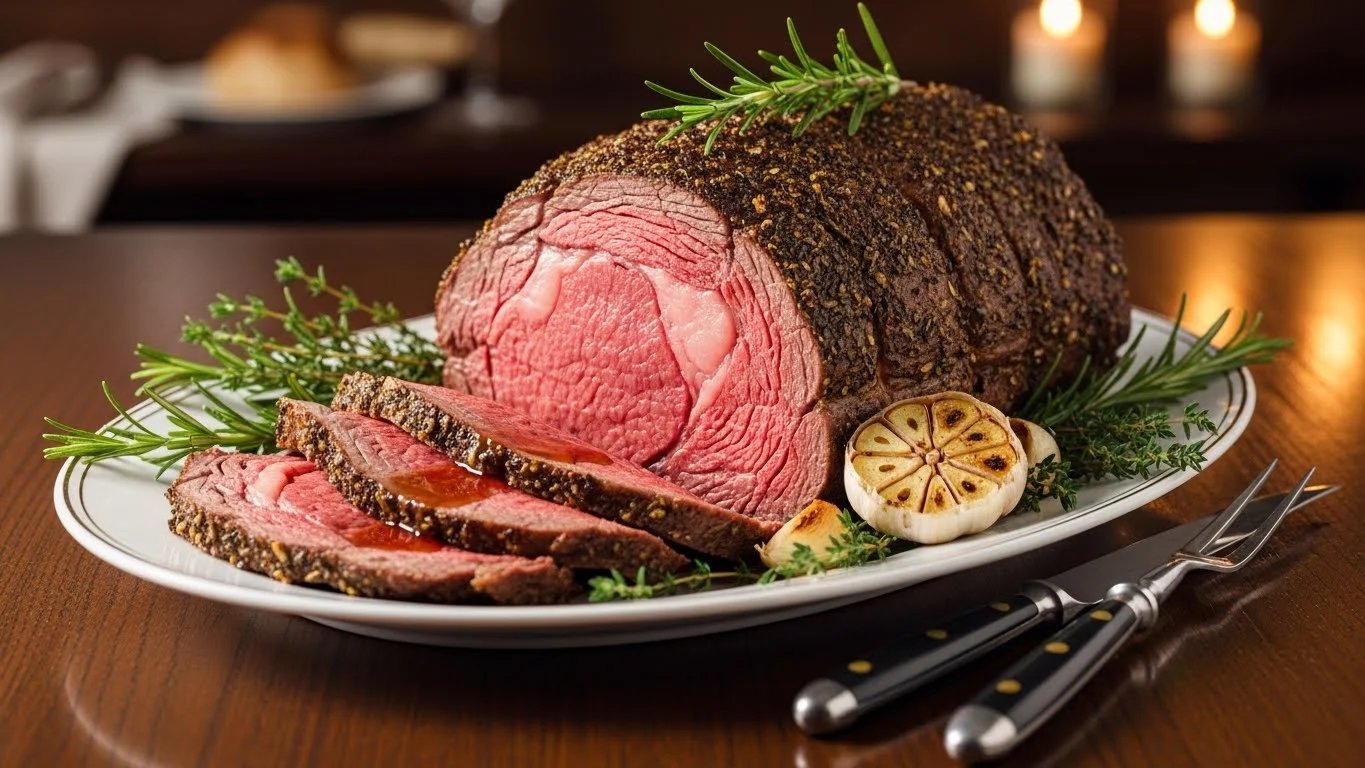
- Crust development: Increase the oven temperature to 500°F (260°C) and roast for an additional 10-15 minutes to develop a beautiful, caramelized crust. Keep a close eye to prevent burning.
- resting: Remove the roast from the oven and tent loosely with foil. Let it rest for 20-30 minutes. This crucial step allows juices to redistribute, enhancing tenderness and ensuring the meat slices cleanly without drying out.
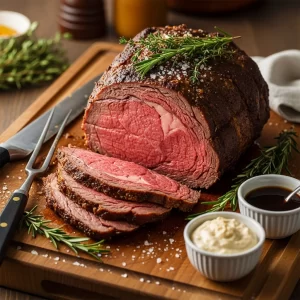
- Carving: Position the roast bone-side down on a sturdy cutting board. Use a sharp carving knife to slice against the grain into thick, juicy portions. Serve immediately.
- Optional pan sauce: While the meat rests, place the roasting pan over medium heat. Add beef broth, scraping up browned bits to create a rich jus to spoon over sliced prime rib.
Tips for Success
- Marinate overnight: Allowing the seasoning to permeate the meat enhances depth and complexity.
- Use a reliable thermometer: Slow roasts can be unpredictable; a digital probe ensures perfect doneness.
- Rest properly: Never skip resting-it’s the secret to juicy, tender slices.
- Bone-in benefits: Leaving the bone in insulates the meat,creating a more even cook and extra flavor.
- Make ahead: Season and refrigerate your roast a day ahead to save time on cooking day.
Serving Suggestions
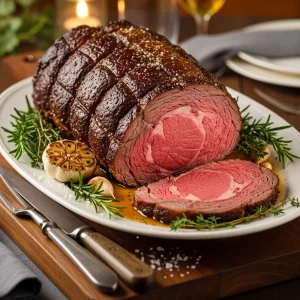
Present your prime rib atop a rustic wooden board or elegant platter. Garnish with sprigs of fresh rosemary and thyme for a fragrant touch. Accompany with classic horseradish cream and a side of roasted root vegetables or garlic mashed potatoes for a perfectly balanced feast.
| Nutrient | Per Serving (approx.) |
|---|---|
| Calories | 620 kcal |
| protein | 55 g |
| Carbohydrates | 1 g |
| Fat | 45 g |
Embrace the art of perfect prime rib roasting and deepen your culinary repertoire. For more science-backed insights on beef quality and cuts, visit Beef. It’s What’s For dinner®.
Q&A
Q&A: mastering Slow-Roasted Prime Rib – Juicy, Tender Perfection
Q1: What makes slow-roasting the ideal method for cooking prime rib?
A1: Slow-roasting is the secret to unlocking prime rib’s full potential. By cooking the meat at a low temperature over a longer period, the connective tissues gently break down, resulting in unparalleled tenderness. This gradual process also ensures even cooking from edge to center, creating that coveted juicy, melt-in-your-mouth texture without drying out the crust.
Q2: How do I choose the perfect prime rib roast for slow-roasting?
A2: Look for a prime rib with a rich, marbled appearance, the fine streaks of fat woven through the meat are flavor gold. Aim for a roast labeled “prime” or “choice” grade, weighing between 4 to 7 pounds, depending on your guest list. A well-marbled cut will baste itself as it cooks, delivering succulence at every bite.
Q3: Should I season the prime rib in advance, or just before roasting?
A3: For maximum flavor infusion, season your prime rib generously with salt, pepper, and herbs at least 24 hours before roasting. This dry brining technique allows the seasoning to penetrate deeply, elevating the natural beefy taste. Some chefs swear by a rub of garlic, rosemary, and thyme to create a fragrant crust that complements the meat’s richness.
Q4: What temperature and time settings are best for slow-roasting prime rib?
A4: the magic number is low and slow-roast your prime rib at about 225°F (107°C). Depending on size, estimate roughly 20 minutes per pound. Using a meat thermometer is essential: pull the roast at 120-125°F for rare, 130-135°F for medium-rare. Resting after roasting lets the juices redistribute, guaranteeing juicy tenderness.
Q5: How do I achieve that perfect, crispy outer crust while keeping the inside tender?
A5: The “reverse sear” method is a game-changer. After slow-roasting, crank up your oven or sear the roast quickly in a hot skillet to caramelize the exterior. This final burst of high heat creates the dramatic, flavorful crust, contrasting beautifully with the rosy, tender interior.
Q6: Can I prepare the prime rib ahead of time?
A6: Absolutely! Slow-roasted prime rib can be cooked a few hours in advance and kept warm, wrapped in foil. Resting is key-allow the roast to sit for 20-30 minutes after cooking before slicing. This timeline lets the juices settle, ensuring each slice is perfectly moist and tender.
Q7: What side dishes pair best with slow-roasted prime rib?
A7: Classic accompaniments bring out the best in prime rib. Think creamy horseradish sauce, buttery mashed potatoes, roasted root vegetables, and a crisp green salad.
Q8: any last tips for first-timers attempting slow-roasted prime rib?
A8: Patience is your best friend! Invest in a reliable meat thermometer and resist the urge to rush the process. Let the slow roast work its magic-your efforts will reward you with a centerpiece that’s both breathtaking and effortless in its elegance. Remember, great prime rib is as much about technique as it is about love and attention.
Mastering slow-roasted prime rib transforms a simple roast into a culinary legend. With precise timing, thoughtful seasoning, and a dash of patience, you’ll create a feast that’s juicy, tender, and utterly unforgettable.
In Summary
As the final curtain falls on your journey to mastering slow-roasted prime rib, remember that patience and precision are your greatest allies. This culinary art, where time deepens flavor and heat teases tenderness, transforms an ordinary cut into a luscious centerpiece worthy of celebration. With each juicy, melt-in-your-mouth slice, you’re not just serving a meal-you’re sharing an experience crafted by care and culinary wisdom. So, fire up your oven, embrace the slow and steady rhythm, and let your prime rib become the star of every table, delivering perfect, savory satisfaction time and time again.