
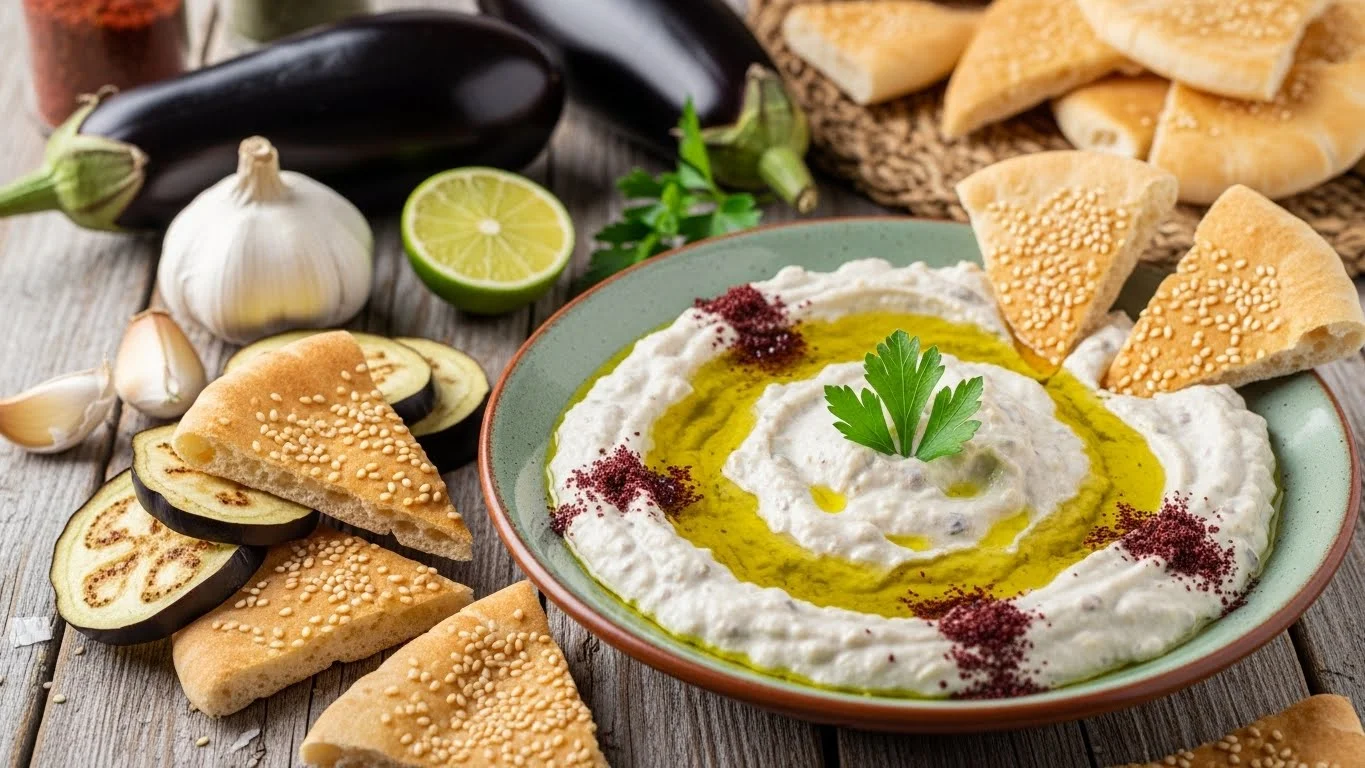
In the vibrant tapestry of Middle Eastern cuisine, few dishes captivate the senses quite like moutabal – a luscious, smoky dip that invites you to experience the very soul of the region’s culinary heritage. Frequently enough overshadowed by its more famous cousin, baba ghanoush, moutabal holds a creamy magic all its own, combining velvety roasted eggplant, silky tahini, and a delicate balance of garlic and lemon. This humble dish, rich in history and flavor, tells a story of tradition, community, and the art of simple ingredients transformed into something unusual. Join us as we dive spoon-first into the world of moutabal, uncovering its origins, its irresistible appeal, and the secrets behind its perfect creamy texture – a true Middle Eastern delight that deserves a place at every table.
moutabal Magic captures the rich tapestry of Middle Eastern culinary heritage through its voluptuously creamy, smoky, and vibrant flavor profile. This beloved dish, frequently enough mistaken for its cousin baba ganoush, stands alone as a silky-smooth blend of charred eggplant and tahini that tells a story of tradition, communal feasting, and subtle complexity. Originating from Levantine kitchens, moutabal has long been celebrated not just as a mezze centerpiece but as a cultural emblem, weaving together the warmth of family gatherings and the artistry of simple, quality ingredients.
Prep and Cook Time
Preparation: 15 minutes
Cooking: 25 minutes
Total Time: 40 minutes
Yield
Serves 4 to 6 as an appetizer or side dish
Difficulty Level
easy to Medium – perfect for home cooks looking to explore authentic Middle Eastern flavors with approachable steps
Ingredients
- 2 medium eggplants (about 1 lb each), organic and firm
- ½ cup tahini (well stirred for creaminess)
- 3 tablespoons fresh lemon juice (about 1 lemon)
- 2 garlic cloves, finely minced
- ¼ cup extra virgin olive oil, plus extra for drizzling
- Salt, to taste
- 1 tablespoon plain yogurt (optional, for added silkiness)
- ½ teaspoon ground cumin (freshly toasted for enhanced aroma)
- Fresh parsley or mint leaves for garnish
- Sumac or smoked paprika for a color-contrasting, tangy finish
Instructions
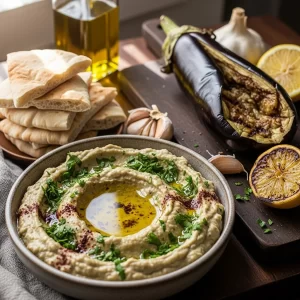
- Char the eggplants: Preheat your oven to 450°F (230°C). Pierce each eggplant several times with a fork to allow steam to escape. Place them on a baking sheet and roast for 20-25 minutes, turning halfway, untill the skin is blackened and the flesh feels very soft. Alternatively, for authentic smokiness, char over an open flame on a gas burner, rotating until evenly blackened.
- Cool and peel: Allow the eggplants to cool until agreeable to handle. Slice open and carefully scoop out the creamy flesh, discarding the charred skin. Place the flesh in a colander for 10 minutes to drain excess liquid and prevent bitterness.
- Blend the base: Transfer the drained eggplant flesh to a mixing bowl. Add the tahini, lemon juice, minced garlic, and ground cumin. Using a fork or a spoon, gently mash and fold together until smooth but slightly chunky to maintain rustic texture. Avoid over-whipping to preserve creaminess.
- Adjust and season: Stir in the yogurt if using, which adds a velvety richness. Drizzle in olive oil gradually while mixing to reach your desired consistency – creamy but not runny. Season with salt to taste.
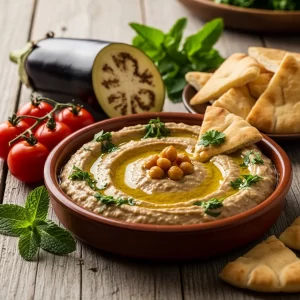
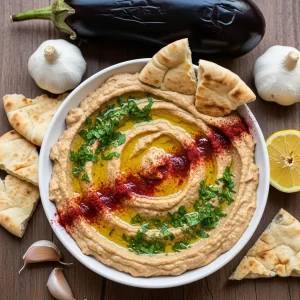
- Plate and garnish: Spoon the moutabal into a shallow bowl, creating a slight well in the center. Drizzle extra olive oil over the top and sprinkle with fresh chopped parsley or mint. Finish with a generous dusting of sumac or smoked paprika for color and an extra zing.
- Serve immediately or refrigerate for up to 2 days; bring to room temperature before enjoying to maximize flavor nuances.
Tips for Success
- For a deeper aroma, toast the cumin seeds lightly in a dry pan before grinding. This simple step transforms mundane spices into fragrant treasures.
- Replacing yogurt with silken tofu or cashew cream offers delightful vegan alternatives while maintaining luscious texture.
- Ensure the eggplant flesh is well-drained to prevent watery moutabal; excess moisture dilutes both texture and flavor.
- Incorporate a touch of smoked sea salt instead of regular salt for an intensified smoky undertone.
- Make ahead: Moutabal tastes even better after resting overnight in the fridge as flavors meld beautifully.
Serving Suggestions
Present moutabal accompanied by warm pita bread, crunchy sliced vegetables like cucumber and radishes, or as a creamy layer within multi-meze platters. For a festive touch, scatter toasted pine nuts or pomegranate seeds atop the dish to introduce an inviting crunch and burst of brightness. Pair this dip with grilled meats or alongside other dips like hummus and muhammara for a complete, colorful middle Eastern feast.
| Nutritional Info (per serving) | Amount |
|---|---|
| Calories | 140 kcal |
| protein | 4 g |
| Carbohydrates | 10 g |
| Fat | 10 g |
Discover more authentic Middle Eastern dishes like hummus and explore the fragrant world of Levantine spices through trusted resources such as Britannica’s overview of Middle Eastern cuisine.
Q&A
Q&A: Moutabal Magic – Discovering the Creamy Middle Eastern Delight
Q1: What exactly is Moutabal?
A1: Moutabal is a luscious Middle Eastern dip made primarily from roasted eggplants, tahini, garlic, lemon juice, and olive oil. With its smoky aroma and creamy texture, it’s often mistaken for its cousin, baba ganoush, but Moutabal boasts a distinct, velvety richness that sets it apart.
Q2: How did Moutabal come to be a staple in Middle Eastern cuisine?
A2: Rooted deeply in Levantine culinary traditions, Moutabal emerged as a way to transform humble eggplants into a luxurious treat. The method of roasting eggplants enhances thier natural sweetness and imparts a delightful smokiness-perfectly complemented by tahini’s nutty depth, making it a favorite across generations.
Q3: What makes Moutabal different from baba ganoush?
A3: While both dips celebrate roasted eggplant, baba ganoush typically includes chunks of eggplant with a slightly chunkier texture, and frequently enough incorporates parsley or other herbs. Moutabal is smoother, creamier, and tends to focus more on tahini and lemon juice, delivering a silkier, more intense flavor experience.
Q4: What are the conventional ways to enjoy Moutabal?
A4: Moutabal is a versatile delight-scoop it up with warm pita bread, dollop it onto grilled meats, or serve it alongside fresh vegetables for a refreshing bite.It frequently enough shares the mezze table, mingling with hummus, tabbouleh, and olives to create a vibrant tapestry of flavors.
Q5: Can moutabal be customised or adapted for different tastes?
A5: Absolutely! Feel free to experiment by adding a touch of smoked paprika for warmth, pomegranate molasses for tangy sweetness, or even a sprinkle of sumac for a zesty finish. Some modern twists include blending in yogurt for creaminess or tossing in roasted red peppers for a smoky-sweet dimension.
Q6: is Moutabal healthy?
A6: Definitely. Packed with fiber from eggplants, healthy fats from tahini and olive oil, and a boost of vitamin C from lemon, Moutabal is both nourishing and satisfying. It’s a guilt-free indulgence that fits perfectly into balanced diets, vegan lifestyles, and gluten-free menus.
Q7: What’s the secret to making perfect Moutabal at home?
A7: Roast your eggplants over an open flame or under the broiler until their skins char and interiors become buttery soft. Peel away the skins, then blend the flesh gently with tahini, fresh lemon juice, garlic, and a drizzle of premium olive oil. Season carefully with salt, and don’t rush-the magic lies in balancing smoky, creamy, and tangy notes just right.
Q8: Where can someone try authentic Moutabal if they’ve never had it before?
A8: Middle Eastern restaurants and casual eateries that celebrate Mediterranean flavors often have moutabal on the menu. Look for places specializing in Lebanese, Syrian, or Palestinian cuisine, or explore vibrant mezze platters where Moutabal is a shining star.
Q9: How does Moutabal reflect the culture it comes from?
A9: Moutabal embodies the spirit of Middle Eastern hospitality-simple ingredients transformed into communal enjoyment. It’s a dish meant to be shared, savored slowly, and paired with lively conversations, symbolizing warmth, generosity, and the joy of gathering around the table.
Q10: Can moutabal inspire home cooks outside of the middle East?
A10: Without a doubt! Its approachable ingredients and bold flavors invite culinary creativity. Whether as a dip, spread, or sauce, Moutabal can add a creamy, smoky twist to sandwiches, salads, and even grilled veggies, making it a global ambassador of Middle Eastern magic right in your kitchen.
final Thoughts
As you savor the velvety embrace of moutabal, you’re not just tasting a dish-you’re indulging in a rich tapestry of history, culture, and culinary artistry that spans centuries. This creamy middle Eastern delight, with its smoky undertones and luscious texture, invites you to experience the warmth of tradition and the magic of simple ingredients transformed into something extraordinary. Whether nestled between warm pita or paired with vibrant mezze, moutabal is more than a dip; it’s a flavorful journey worth every bite.So next time you crave a taste that’s both comforting and captivating, let moutabal be your passport to the heart of Middle Eastern flavor.