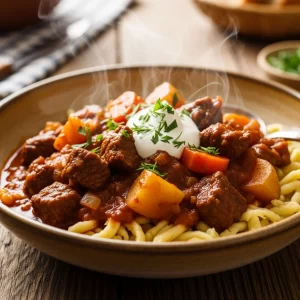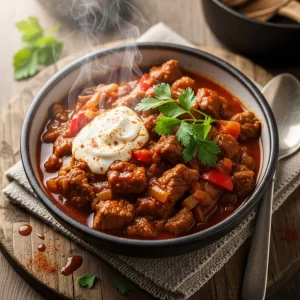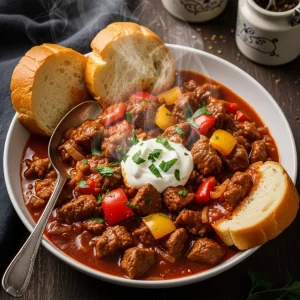

There’s something deeply comforting about a steaming bowl of beef goulash, the dish that carries the rich tapestry of Central European heritage in every savory bite. Born from humble beginnings as a shepherd’s stew, this hearty meal has journeyed through centuries, evolving into a beloved classic that warms both body and soul. In ”Savoring Beef Goulash: A Hearty Taste of Tradition”, we’ll explore the origins, essential ingredients, and cultural significance behind this iconic dish, inviting you to experience the robust flavors and timeless appeal that have made beef goulash a culinary treasure passed down through generations. Whether you’re a seasoned foodie or a curious cook, get ready to dive into a world where tradition simmers slowly, and every spoonful tells a story.
Savoring Beef Goulash: A Hearty Taste of Tradition
Savoring beef goulash draws you into a rich tapestry of flavors that reflect centuries of Central European culinary heritage. This soul-warming stew embodies the essence of home-cooked comfort, blending tender beef, fragrant paprika, and slow-simmered vegetables into a dish that’s both hearty and deeply satisfying. Whether you’re revisiting fond memories around the family table or exploring new flavors, this recipe promises authenticity and warmth in every bite.
Understanding the Rich History Behind Beef goulash
Originating in the Hungarian plains,beef goulash was more than sustenance-it was a symbol of shepherds fraternally cooking over open fires under vast skies. Over time, it evolved into a beloved national dish treasured for its simplicity and adaptability. The iconic use of sweet and smoked paprika not only lends its signature vibrant color but also preserves the dish’s irreplaceable smoky depth. Savoring beef goulash means diving into history infused with rustic tradition and heartwarming depth.
Selecting the Perfect cuts and Spices for Authentic Flavour
Choosing the right cuts is crucial for tender results and robust flavor. Opt for chuck roast or beef brisket, both known for their marbled richness that breaks down beautifully during slow cooking. When it comes to spices, Hungarian sweet paprika is non-negotiable, but layering with a hint of smoked paprika intensifies the profile. Garlic, caraway seeds, and a touch of black pepper round out the aromatic ensemble, creating the flawless seasoning balance that defines authentic goulash.
Mastering the slow-Cooking Process to Enhance Depth and Tenderness
Patience is the secret ingredient in any exceptional beef goulash. The magic unfolds when you allow the meat to slowly simmer in its own juices, absorbing the spices and releasing collagen that creates a silky, rich gravy. Browning the beef first enhances the Maillard reaction,developing deeper layers of flavor. Maintain a gentle simmer, stirring occasionally to prevent sticking, and resist the temptation to rush-this slow-cook ritual is what tenderizes the beef to melt-in-your-mouth perfection.
Serving Suggestions and Pairings to Elevate Your Goulash Experience
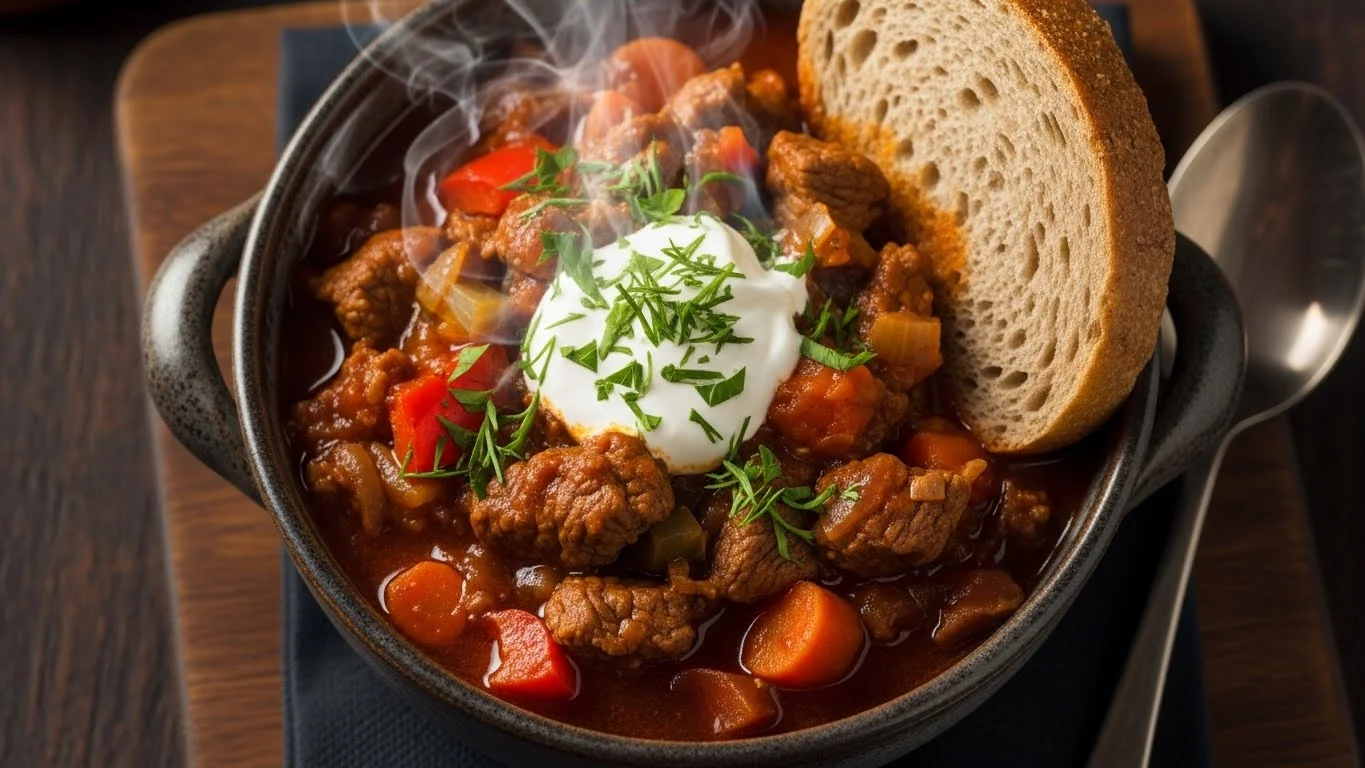
Present your goulash with classic accompaniments like buttery spaetzle or a creamy potato mash to soak up every luscious drop. Garnish with fresh parsley or a dollop of sour cream to add brightness and cooling contrast. Freshly baked rye bread adds a rustic touch and a satisfying crunch alongside the stew’s velvety texture.
Prep and cook Time
- Preparation: 20 minutes
- Cooking: 2 hours 30 minutes (includes slow simmering)
- Total Time: 2 hours 50 minutes
Yield
Serves 6 hearty portions
Difficulty Level
Medium – Perfect for cooks familiar with slow-simmering techniques and confident in layering spices
Ingredients
- 2 ½ lbs chuck roast beef, cut into 1-inch cubes
- 2 tbsp Hungarian sweet paprika
- 1 tsp smoked paprika
- 1 large onion, finely chopped
- 3 cloves garlic, minced
- 1 red bell pepper, diced
- 2 cups beef broth, low sodium
- 1 tbsp tomato paste
- 1 tsp caraway seeds
- 2 tbsp vegetable oil or lard
- Salt and freshly ground black pepper, to taste
- 1 bay leaf
- 1 tbsp flour (optional, for thickening)
- Fresh parsley, chopped for garnish
- Sour cream, for serving (optional)
Instructions
- prepare the beef: Pat the beef cubes dry with paper towels to ensure proper browning.
- Brown the beef: Heat the vegetable oil over medium-high heat in a large heavy-bottomed pot. Sear beef cubes in batches until deeply browned on all sides, about 5 minutes per batch. Transfer browned beef to a plate and set aside.
- Sauté the aromatics: Reduce heat to medium. Add chopped onion and sauté until soft and translucent, about 7 minutes. Stir in minced garlic and cook for another minute until fragrant.
- Add the spices: Sprinkle in both paprikas and caraway seeds, stirring constantly for 1 minute to toast the spices without burning.
- Deglaze and build flavor: Stir in tomato paste, coating the onions and spices. Carefully add beef broth while scraping the bottom of the pot to lift the browned bits.
- Combine ingredients: Return browned beef to the pot along with diced bell pepper and bay leaf. Season generously with salt and pepper.
- Simmer low and slow: Bring to a gentle simmer, then reduce heat to low, cover the pot partially, and let stew cook undisturbed for 2 to 2 ½ hours until beef is fork-tender.
- Optional thickening: If desired, whisk flour with a few tablespoons of cold water to create a slurry. Stir into the goulash 15 minutes before the end of cooking to thicken the sauce.
- Final seasoning: Taste and adjust salt, pepper, or paprika as needed.
- Serve: Ladle hot goulash into bowls, garnish with chopped parsley and a dollop of sour cream if you like. Pair with your favorite sides and enjoy immediately.
chef’s Notes and Tips for Success
- use room temperature beef for even browning and tender results.
- to deepen the smoky character without smoked paprika, add a small smoked chili or a drop of liquid smoke carefully.
- Make ahead: Goulash flavors improve overnight; reheat gently on low heat.
- For gluten-free thickening, substitute flour with cornstarch or a potato starch slurry.
- Experiment with vinegar for a subtle tanginess that lifts the richness.
- Do not rush the simmer – slow temperature is key to tender, melting beef and a rich sauce.
Serving Suggestions to Elevate Your Goulash Experience
When presenting your beef goulash, consider serving it over soft spaetzle or creamy mashed potatoes to carry the luscious sauce perfectly. Alternatively, a side of buttered egg noodles or rustic bread helps mop up every flavorful drop. Garnish the dish with freshly chopped parsley or a spoonful of sour cream to add color and balance. Complement this hearty dish with a glass of dry red wine for a complete and satisfying meal experience.
| Nutrient | Per Serving |
|---|---|
| Calories | 380 kcal |
| Protein | 38 g |
| Carbohydrates | 12 g |
| fat | 18 g |
For further inspiration and related recipes, check out our traditional Hungarian recipes. To explore the cultural origins of paprika and its culinary uses, visit the Encyclopedia Britannica.
Q&A
Q&A: Savoring Beef Goulash – A Hearty Taste of Tradition
Q1: what exactly is beef goulash, and why is it considered a traditional dish?
A1: Beef goulash is a luscious, slow-cooked stew brimming with tender beef, paprika, onions, and a medley of spices. Originating from the Hungarian plains, it’s more than just a meal-it’s a culinary emblem steeped in history, embodying the warmth and spirit of Central european shepherds who needed a nourishing, robust dish after long days.
Q2: How does beef goulash differ from other stews?
A2: Unlike generic stews, beef goulash is defined by its vibrant use of paprika, which imparts a smoky, sweet earthiness unmatched by other spice blends. Its thick, ruby-red broth and the slow simmering process transform simple ingredients into a symphony of rich, layered flavors that warm the soul.
Q3: What ingredients are essential for an authentic beef goulash?
A3: The heart of the dish lies in quality beef chuck, Hungarian sweet paprika, onions sautéed to golden perfection, garlic, and a touch of caraway seeds for a subtle anise kiss. Tomatoes or bell peppers ofen join the ensemble, enriching the stew’s depth, while a slow simmer melds every nuance beautifully.
Q4: Is beef goulash challenging to make at home?
A4: Not at all! While it requires a bit of patience, beef goulash is wonderfully straightforward. The key is layering flavors: sauté the onions first, toast the paprika gently to unlock its aroma, then slowly simmer the beef until it melts in your mouth. It’s a cozy kitchen ritual that rewards patience with hearty, soul-soothing results.
Q5: What dishes or sides best complement beef goulash?
A5: Tradition suggests serving it over buttered egg noodles, creamy mashed potatoes, or rustic dumplings called “nokedli”. A crisp side of pickled vegetables or a fresh green salad adds a radiant counterpoint to the stew’s richness, making each bite a balanced party.
Q6: Why is beef goulash still relevant in modern cuisine?
A6: In a world racing toward fast and flashy, beef goulash invites us to slow down, cherish tradition, and savor depth of flavor. Its comforting essence appeals to both nostalgic hearts and curious palates, proving that timeless dishes can hold their place firmly at today’s table.
Q8: Any tips for enhancing the goulash experience?
A8: Absolutely! Use fresh paprika rather than powder that’s been sitting on your shelf for months-it makes a world of difference. Let the stew rest for a few hours or overnight to deepen flavors. And don’t be shy with garnishes like a dollop of sour cream or a sprinkle of fresh parsley to brighten the hearty richness.
Whether you seek a taste of history or a soulful mealtime hug, beef goulash delivers-a timeless stew that invites every spoonful to tell a story.
To Conclude
As the rich aroma of simmering paprika and tender beef lingers in the kitchen, savoring a bowl of beef goulash becomes more than just a meal-it is a comforting journey through history and culture. This hearty stew, layered with robust flavors and slow-cooked patience, invites you to connect with a timeless tradition that has warmed tables for generations. Whether enjoyed on a chilly evening or shared among friends, beef goulash reminds us that food is not only nourishment but a story told through every bite. So next time you spoon up this velvety classic, take a moment to appreciate the legacy simmering beneath its savory surface-a true taste of tradition that continues to delight and inspire.