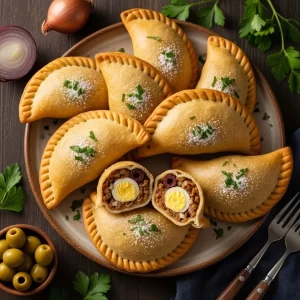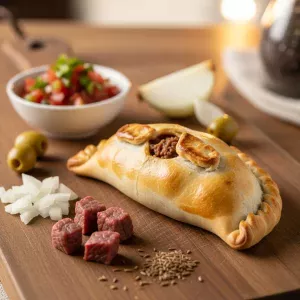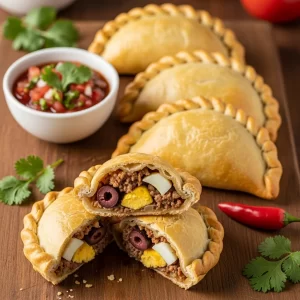

There is a story folded into every crispy, golden crust-an edible heritage that whispers of sun-soaked vineyards, bustling kitchen tables, and hands passed down through generations. Welcome to the world of Beef Empanadas de Pino, a Chilean classic that’s more than just a savory pastry; it’s a celebration of tradition wrapped in flavor. In this article, we’ll unwrap the layers of history, ingredients, and cultural meaning behind these beloved empanadas, inviting you to savor each bite as a tasty journey through time and taste.
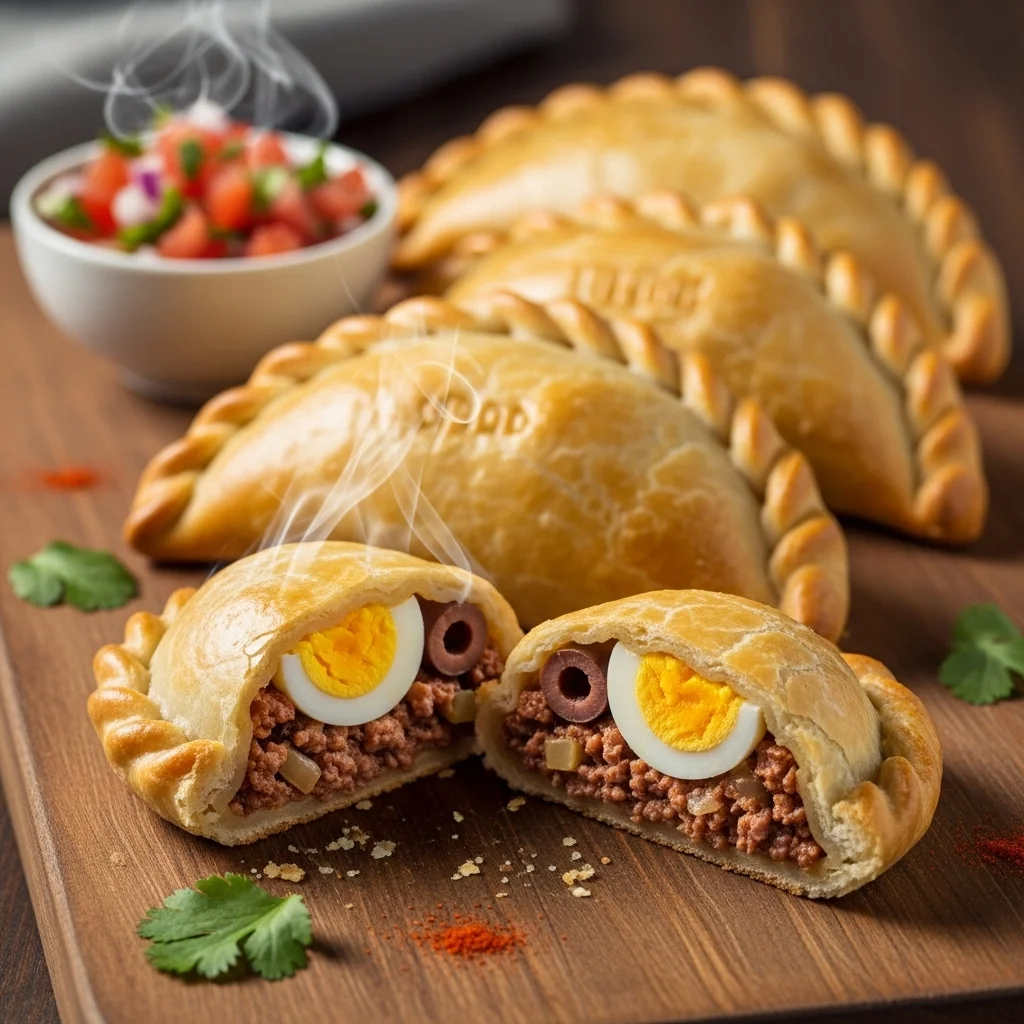
Beef Empanadas de Pino carry with them a storied tradition, deeply woven into Chilean culture and history. Originating from the Central Valley of Chile, these empanadas are much more than a simple savory pastry; they are a symbol of family gatherings, festive celebrations, and rich culinary heritage. The heart of their irresistible appeal lies in the de pino filling – a masterful blend of beef, onions, spices, and sometimes olives and hard-boiled eggs – revealing layers of flavor that tell a tale of centuries-old recipes passed down through generations. This recipe invites you to experience firsthand the soulful satisfaction of crafting these iconic empanadas, bringing both tradition and authenticity into your kitchen.
Prep and Cook Time
- Planning: 30 minutes
- Resting dough: 45 minutes
- Cooking filling: 25 minutes
- Baking time: 25 minutes
- Total: Approximately 2 hours 5 minutes
Yield
Makes 12 medium-sized empanadas, perfect for a family meal or festive gathering.
Difficulty Level
Medium: Suitable for cooks familiar with dough handling and multi-step savory recipes.
Ingredients
- For the Dough:
- 3 ½ cups all-purpose flour, sifted
- 1 tsp salt
- ½ cup unsalted butter, chilled and diced
- 1 egg
- 1 cup warm milk (around 110°F)
- 2 tsp sugar
- 1 tbsp dry yeast
- For the Pino Filling:
- 1 lb lean ground beef
- 2 large onions, finely chopped
- 3 tbsp olive oil
- 1 tbsp paprika (preferably smoked)
- 1 tsp cumin
- 1 tsp dried oregano
- Salt and freshly ground black pepper to taste
- 2 hard-boiled eggs, peeled and chopped
- 12 pitted green olives, halved
- 1 tsp sugar (to balance onion sweetness)
- For Brushing:
- 1 egg, beaten (for egg wash)
Instructions
- Prepare the Dough: In a small bowl, combine warm milk, sugar, and yeast. Let activate for 10 minutes until frothy. In a large mixing bowl, combine the flour and salt. Cut in the cold butter until the mixture resembles coarse crumbs.
- Add the activated yeast mixture and egg into the flour mix. Knead thoroughly on a lightly floured surface until smooth and elastic, about 8 minutes. Place in an oiled bowl, cover, and let rise in a warm spot until doubled in size, approximately 45 minutes.
- Prepare the Pino Filling: Heat olive oil in a large skillet over medium heat. Add the onions and sauté until translucent and lightly caramelized, about 15 minutes. Add the sugar halfway through to enhance sweetness. Stir occasionally to prevent sticking.
- Add the ground beef, breaking it apart with a wooden spoon. Cook until browned and no longer pink,about 10 minutes.
- Season with paprika, cumin, oregano, salt, and pepper. Stir well and simmer for 5 more minutes to allow flavors to meld. Remove from heat and let cool slightly before assembling.
- Assemble the Empanadas: Preheat oven to 400°F (200°C). Divide dough into 12 equal portions. Roll each portion into a 6-inch circle.
- Place roughly 2 tablespoons of filling on one half of each dough circle. Top with a quarter of a chopped hard-boiled egg and 2 halves of green olives.
- Brush the edges of the dough with water, fold over to enclose the filling, and press edges firmly. Crimp or press with a fork to seal entirely.
- Transfer empanadas to a baking sheet lined with parchment paper. Brush each empanada generously with the beaten egg wash for a glossy golden finish.
- Bake for 20-25 minutes or until crust is golden brown and crisp. Remove from oven and cool slightly before serving to preserve the filling’s flavors.
Tips for Success
- Use lean ground beef to avoid excess grease; drain if necessary after browning.
- Slowly caramelizing onions is key-it adds natural sweetness that balances the spices beautifully.
- If pressed for time, make the filling a day ahead; flavors deepen overnight in the refrigerator.
- For a flaky crust, keep the butter cold and avoid overworking the dough.
- Freeze uncooked empanadas on a baking sheet then transfer to a bag for easy make-ahead meals-bake directly from frozen with an extra 5 minutes baking time.
Serving Suggestions and Pairings
Serve your Beef Empanadas de Pino warm, garnished with a sprinkle of fresh parsley or cilantro for a pop of colour and bright herbal notes. Complement the rich filling with a side of crunchy mixed salad drizzled in a tangy chimichurri or ají verde sauce to heighten the flavor profile.
| Nutrient | Per Empanada (approx.) |
|---|---|
| Calories | 320 kcal |
| Protein | 18 g |
| Carbohydrates | 30 g |
| Fat | 12 g |
Explore authentic chilean wines to enhance your culinary journey.
Discover more traditional recipes like our Traditional Chilean chorrillana to fully embrace Chilean gastronomy.
Q&A
Q&A: Savor the Tradition – Beef Empanadas de Pino Unwrapped
Q1: What exactly are Beef Empanadas de Pino?
A1: Beef Empanadas de Pino are a savory Chilean delicacy that brings together tender minced beef, onions, raisins, olives, and hard-boiled eggs, all wrapped in a flaky pastry crust. The name “de Pino” refers to the seasoned beef filling – a true heart of Chilean culinary tradition.
Q2: Where does the name “de Pino” come from?
A2: The term “de pino” stems from the Mapuche word “piñ,” meaning seasoning or a mix of spices. It reflects the soul of the empanada – a vibrant blend of meat and aromatics that transforms simple ingredients into an unforgettable taste experience.
Q3: how is the beef filling traditionally prepared?
A3: The beef filling is carefully sautéed with onions until caramelized, then combined with a medley of raisins, black olives, and chopped hard-boiled eggs. Seasoning frequently enough includes cumin, paprika, and a touch of ají pepper, creating a complex yet harmonious flavor profile.
Q4: What makes Empanadas de Pino different from other empanadas?
A4: Unlike fruit-filled or cheese empanadas, Empanadas de Pino are a robust symphony of savory, sweet, and salty tastes. The interplay of tender beef and the contrasting textures of raisins and olives is uniquely Chilean, rooted deeply in cultural history.
Q5: What’s the best way to enjoy these empanadas?
A5: Traditionally, empanadas are baked until golden and crispy, then enjoyed warm. They’re perfect for festive gatherings, national holidays like Chile’s Independence Day, or simply as a comforting snack that transports you to the Andes with every bite.
Q6: Can Beef Empanadas de Pino be adapted for modern diets?
A6: Absolutely! While the classic recipe remains beloved, variations now incorporate gluten-free doughs or plant-based beef alternatives, ensuring that this cherished tradition can be savored by everyone without losing its essence.
Q7: Why are Empanadas de Pino considered a cultural icon in Chile?
A7: These empanadas embody Chile’s rich heritage – a culinary mosaic that tells stories of indigenous roots, colonial influences, and communal celebrations. Eating an Empanada de Pino isn’t just about flavor; it’s about partaking in a shared Chilean identity and history.
Q8: How can someone make authentic Empanadas de Pino at home?
A8: Start with fresh,finely minced beef and sauté it slowly with onions and spices. Add the classic mix of raisins, olives, and hard-boiled eggs, then encase the filling in a buttery dough. Bake at high heat until golden brown. patience and love are key – the flavors deepen as the empanadas cool just slightly before eating.
Q9: where can travelers taste the best Empanadas de Pino in Chile?
A9: From bustling Santiago markets to quaint artisan bakeries in Valparaíso and cozy mountain huts in the Andes, the best Empanadas de Pino are those made with passion and tradition. Seek out local “empanaderías” where recipes have been passed down through generations – that’s where the true magic happens.
In Conclusion
As the golden crust of a Beef Empanada de Pino gives way to its rich, savory heart, we’re reminded that this humble pastry is more than just a meal-it’s a story wrapped in dough. Each bite carries the echoes of Chilean kitchens past, where generations perfected the blend of spiced beef, onions, olives, and raisins, creating a harmony of flavors that transcends time. Whether served at festive gatherings or enjoyed as a comforting snack, the empanada de pino stands as a delicious testament to cultural heritage and culinary artistry. So next time you unwrap one of these treasured treats, savor not only the taste but the tradition it unfolds-a flavorful journey that continues to bring people together, one empanada at a time.