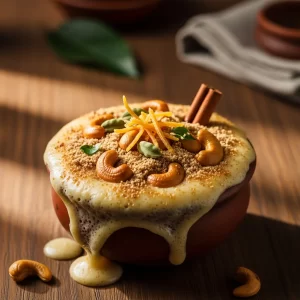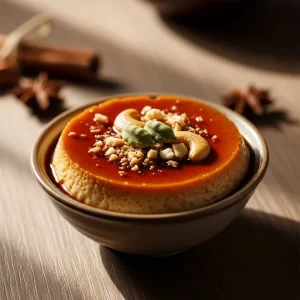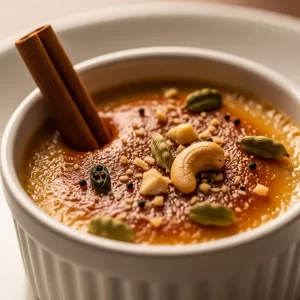

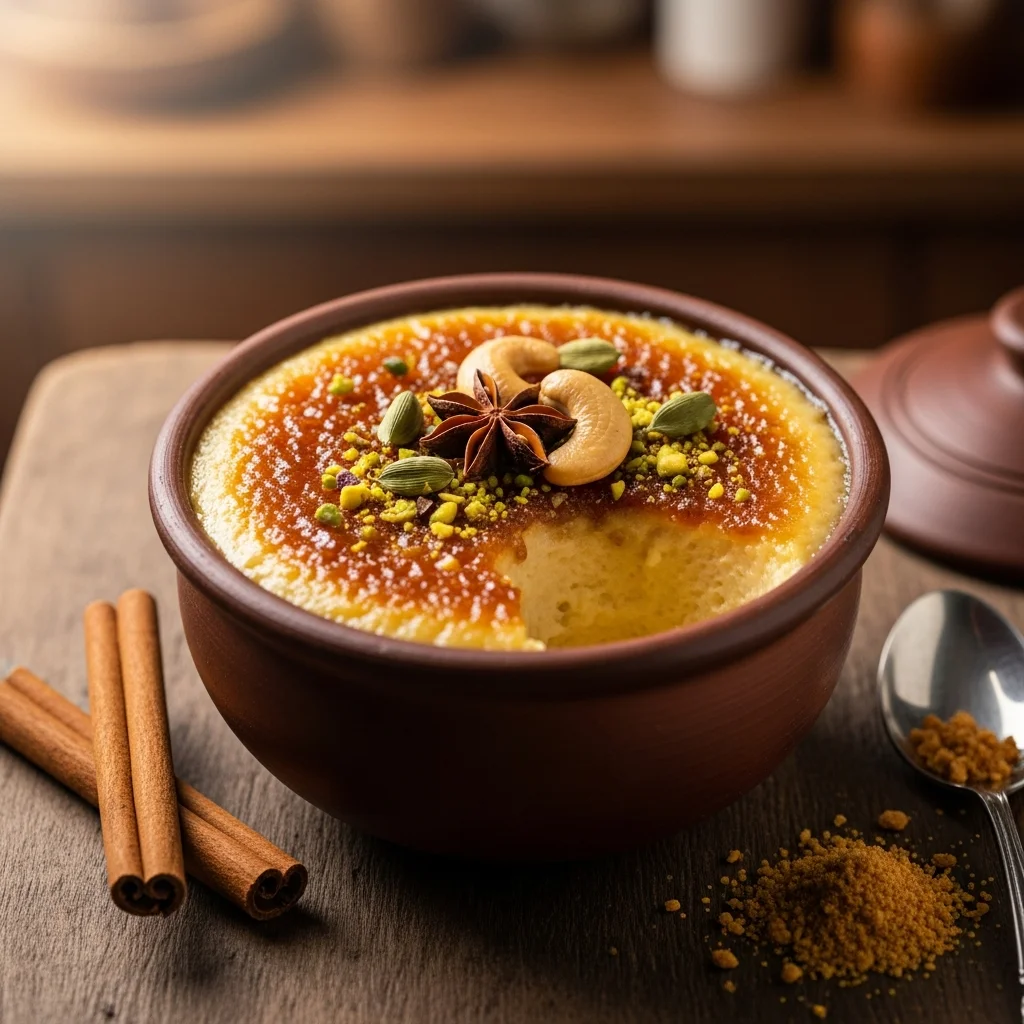
Nestled within the rich tapestry of Sri Lanka’s culinary heritage lies a dessert that embodies the island’s cultural warmth and aromatic splendor-Watalappam. This luscious coconut custard, infused with fragrant cardamom, jaggery, and a hint of cloves, is more than just a sweet treat; it is a testament to centuries of tradition, migration, and artistry. In “Watalappam Wonders: Discover Sri Lanka’s Sweet Treasure”, we embark on a delectable journey to uncover the origins, unique flavors, and timeless appeal of this beloved delicacy. Whether savored during festive celebrations or enjoyed as an everyday indulgence, Watalappam invites you to experience a slice of Sri Lanka’s soul, one spoonful at a time.
Watalappam Wonders: Discover Sri Lanka’s Sweet Treasure
Watalappam Wonders: Discover Sri Lanka’s Sweet Treasure is an experience that transcends the plate – it’s a journey into the heart of Sri Lankan festive culture. This rich, velvety dessert, crafted from fragrant coconut milk, jaggery, and exotic spices, embodies centuries of culinary tradition and festive joy. Passed down through generations, watalappam is more than just a pudding; it is a symbol of celebration, hospitality, and a sweet invitation into Sri Lankan homes.
Prep and Cook Time
- Preparation: 15 minutes
- Cooking: 30 minutes
- Cooling & Setting: 3 hours (preferably overnight)
Yield
Serves 6-8 delightful portions
Difficulty Level
medium – a rewarding challenge perfect for those eager to master classic Sri Lankan sweets
Ingredients and Secrets Behind the Perfect Watalappam
- 400 ml coconut milk, freshly squeezed or canned (full fat)
- 3/4 cup jaggery, grated (customary palm jaggery preferred)
- 4 large eggs, room temperature
- 1/2 cup condensed milk (optional, for extra richness)
- 1 tsp cardamom powder, finely ground
- 1/2 tsp cinnamon powder
- 1/4 tsp ground cloves (or substitute with a pinch of nutmeg)
- 1/2 tsp vanilla extract (optional but enhances aroma)
- 2 tbsp cashew nuts, roughly chopped (for garnish)
- 2 tbsp raisins (soaked in warm water for 5 minutes)
- a pinch of salt to balance the sweetness
Step-by-Step Guide to Crafting authentic Sri Lankan Watalappam
- Prepare the jaggery syrup: In a small saucepan, combine the grated jaggery with 1/4 cup water over medium heat. Stir gently until the jaggery dissolves entirely into a smooth syrup. Strain to remove impurities and set aside to slightly cool.
- Mix the wet ingredients: In a large mixing bowl, beat the eggs lightly. Slowly whisk in the coconut milk, condensed milk (if using), vanilla extract, and the cooled jaggery syrup. Stir until fully combined and glossy.
- Add the spices carefully: Incorporate the cardamom, cinnamon, cloves, and a pinch of salt into the wet mixture. The aromatic spices are key to the deep flavor profile that makes watalappam uniquely irresistible.
- Prepare the steaming vessel: Lightly grease a 7-inch round baking dish or individual ramekins with coconut oil or butter. Distribute the chopped cashews and soaked raisins evenly at the bottom for a delightful surprise in every bite.
- Pour and steam: Pour the watalappam batter gently over the nuts and raisins. Cover the vessel tightly with aluminum foil to trap steam.
- Steam the pudding: Place the dish in a steamer or a large pot fitted with a rack above simmering water. Steam on medium-low heat for 30 minutes or until the pudding is set – test by inserting a knife; it should come out clean.
- Cool and chill: Remove from heat and let cool to room temperature. Refrigerate for at least 3 hours or overnight to achieve the ideal firm yet silky texture.
Chef’s Notes and Tips for Success
- Use traditional palm jaggery where possible; its complex, caramel-like flavor is irreplaceable.
- Eggs must be fresh and room temperature to avoid curdling during mixing.
- Steaming over simmering water rather of baking ensures the custard remains moist and smooth.
- Covering tightly with foil prevents water droplets from spoiling the pudding’s surface.
- For vegan variation, substitute eggs with a combination of silken tofu and cornstarch, but note the texture will differ slightly.
- Watalappam tastes even better the next day, allowing flavors to meld beautifully.
Pairing Watalappam with Sri Lankan Teas and Festive Occasions
Watalappam’s indulgent sweetness and exotic spice notes make it an exquisite companion to Sri Lanka’s renowned teas. A steaming cup of classic Ceylon black tea with a splash of milk perfectly balances the rich texture. For a lighter touch, opt for a fragrant Cardamom Pekoe or a delicate Orange Pekoe that complements the dessert’s warm spices. This pairing is a staple during Sri Lankan festivals like Eid, Christmas, or Sinhala and Tamil New Year, adding to communal warmth and celebration.
Serving Suggestions
- Serve chilled, sliced into neat wedges to showcase the smooth, custard-like interior.
- Garnish with a sprinkle of toasted coconut flakes and an extra scattering of chopped cashews or pistachios for texture.
- Drizzle a thin stream of warmed jaggery syrup or honey on top for a glossy finish.
- Add a few edible flowers, such as rose petals, for a pop of color and festive flair.
| nutrient | Per Serving (approx.) |
|---|---|
| Calories | 250 kcal |
| Protein | 5 g |
| Carbohydrates | 30 g |
| Fat | 12 g |
For those inspired by the sweet complexities of this dish, explore more Sri Lankan desserts such as Kiribath: The Traditional Sri Lankan Rice Cake, a delightful companion to your culinary journey.
Q&A
Q&A: Watalappam Wonders – Discover Sri Lanka’s Sweet Treasure
Q1: What exactly is Watalappam?
A: Watalappam is a luscious Sri Lankan dessert that’s much more than just a sweet treat. Think of it as a velvety custard infused with the rich flavors of coconut milk, jaggery (unrefined palm sugar), aromatic spices like cardamom and cloves, and often topped with a sprinkle of toasted cashew nuts. It’s a culinary gem that reflects the island’s rich cultural tapestry and love for bold, harmonious flavors.
Q2: Where did watalappam originate?
A: Watalappam’s origins trace back to the Malay community in Sri Lanka, where the recipe journeyed from the Indonesian and Malaysian archipelagos. Over time, it evolved uniquely within Sri Lankan kitchens, marrying local ingredients with traditional Malay techniques to create a dessert that is deeply woven into the island’s festive and everyday culinary fabric.
Q3: What makes Watalappam a “sweet treasure” of Sri Lanka?
A: Beyond its tasty taste, Watalappam carries the warmth of Sri Lankan heritage in every spoonful. The use of jaggery connects it to sustainable, local agriculture, while the aromatic spices evoke the island’s historic spice trade legacy. It’s a dessert that embodies celebration, family gatherings, and the essence of Sri Lanka’s diverse cultural influences – making it truly a sweet treasure.
Q4: How is Watalappam traditionally prepared?
A: Traditionally, Watalappam is steamed gently in banana leaves or a deep dish, allowing its custard to set perfectly with a silky texture. The key is slow, careful cooking to balance the caramelized sweetness of jaggery with the creamy coconut milk, all kissed with fragrant cardamom and nutmeg. Topped with roasted cashews or almonds, it offers a delightful contrast between smooth and crunchy.
Q5: Can Watalappam be enjoyed any time of the year?
A: Absolutely! While Watalappam is especially beloved during festive occasions like Eid due to its Malay-Islamic roots, its comforting sweetness and creamy richness make it a year-round favorite. Whether savored as a midday indulgence or a celebratory finale to a meal, it brings a slice of Sri Lankan warmth any time you desire.
Q6: Is Watalappam popular beyond Sri Lanka?
A: Yes! As Sri Lankan communities have spread across the globe, so has their cuisine. Watalappam has found admirers worldwide, enchanting food lovers with its unique flavors and cultural story. It often serves as a delicious introduction to Sri Lankan culinary traditions for those exploring global desserts.
Q7: What’s a simple way for beginners to experience Watalappam at home?
A: For the curious home chef, start with a basic steamed custard recipe using coconut milk, jaggery or brown sugar, eggs, and cardamom powder. You can find many accessible recipes online that guide you through the gentle steaming process. Don’t forget to top it with toasted nuts to experience the full Watalappam wonder!
By delving into Watalappam, you’re not just tasting dessert – you’re savoring a story of Sri Lanka’s rich cultural heritage and sweet traditions. So, ready to discover this luscious treasure on your palate?
Concluding Remarks
As the final spoonful of Watalappam melts on your tongue, you realize that this humble dessert is more than just a sweet treat-it’s a rich tapestry of Sri Lanka’s history, culture, and tradition, lovingly folded into every bite. From its fragrant spices to its creamy texture, Watalappam stands as a delicious testament to the island’s diverse heritage and culinary artistry. Whether you savor it at a festive gathering or prepare it at home for a quiet moment of indulgence, this sweet treasure promises a journey of flavors that lingers long after the last crumb is gone. So next time you seek a taste of Sri Lanka’s soul, let Watalappam be your guide-a delightful wonder waiting to be discovered, enjoyed, and shared.