
In the bustling streets of Tunisia, where the aroma of spices mingles with the chorus of lively chatter, one humble dish reigns supreme: lablabi. This fiery chickpea stew, often enjoyed as a comforting breakfast or a spirited late-night snack, is more than just a meal-it’s a cultural emblem steeped in history and flavor. “Lablabi Unveiled: Tunisia’s Spicy Chickpea Classic Explained” delves into the heart of this beloved dish, unraveling its origins, ingredients, and the rich traditions that have made it a timeless staple. Whether you’re a curious foodie or a seasoned gourmand, prepare to embark on a culinary journey that spices up your understanding of Tunisian cuisine, one soulful spoonful at a time.
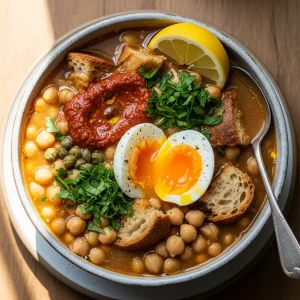
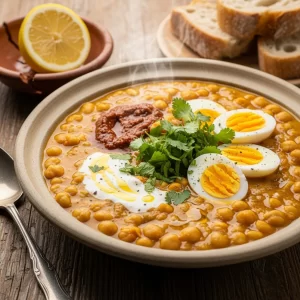
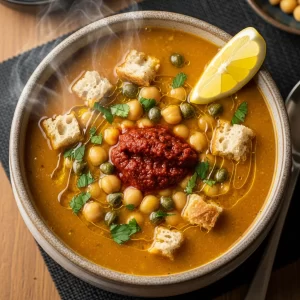
Lablabi is a beloved spicy chickpea soup that captures the heart and soul of Tunisian cuisine. Originating as an economical, hearty street food, it was traditionally enjoyed by workers needing a warming, nourishing meal during cold winter mornings. With each spoonful, you savor centuries of cultural fusion-North African spices, Mediterranean simplicity, and the soul of Tunisia’s bustling urban life. The smoky harissa, tender chickpeas, and crusty bread soaking up rich broth make it an irresistible classic that is as comforting as it is indeed vibrant.
Prep and Cook Time
- prep Time: 15 minutes
- Cook Time: 30 minutes
- Total Time: 45 minutes
Yield
Serves 4 hearty bowls
Difficulty Level
Easy - Perfect for cooks at any skill level looking to explore authentic Tunisian flavors
Ingredients
- 2 cups dried chickpeas (soaked overnight and drained)
- 6 cups water (or low-sodium vegetable broth for deeper flavor)
- 4 cloves garlic, minced
- 2 tablespoons olive oil, plus more for drizzling
- 1 tablespoon ground cumin
- 2 teaspoons paprika
- 1 teaspoon ground coriander
- 1 teaspoon salt, to taste
- 1 teaspoon black pepper
- 3 tablespoons harissa paste (adjust to heat preference)
- 4 thick slices stale crusty bread, torn into chunks
- 2 large eggs (optional, poached or soft-boiled)
- Juice of 1 lemon
- Fresh cilantro and parsley, chopped (for garnish)
- Capers and olives (optional, for added tang)
Instructions
- Prepare the chickpeas: After soaking overnight, rinse and drain the chickpeas. In a large pot, combine chickpeas with 6 cups water or broth. Bring to a boil, then reduce heat to a simmer and cook partially covered for 25-30 minutes or until chickpeas are tender but not mushy.
- Sauté aromatics: While chickpeas cook, heat 2 tablespoons olive oil in a small skillet over medium heat. Add minced garlic, cumin, paprika, and coriander. Sauté until fragrant, about 2 minutes, taking care not to burn the garlic.
- Incorporate spices into broth: Stir the sautéed garlic and spices into the simmering chickpeas. Add salt, pepper, and harissa paste, adjusting the amount based on your heat tolerance. Simmer for an additional 5-7 minutes, allowing flavors to meld beautifully.
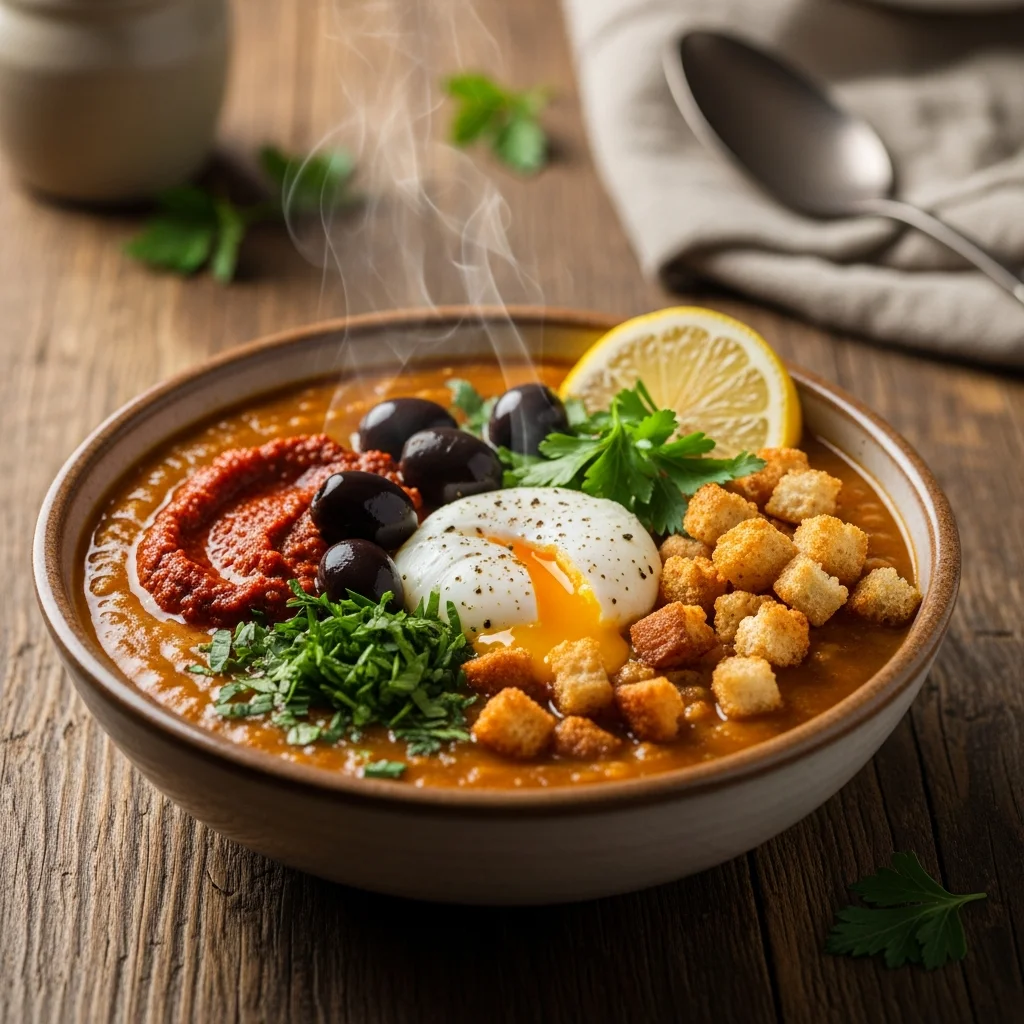
- Prepare bread base: Tear stale bread into bite-sized chunks and divide evenly among warm serving bowls. Ladle the hot chickpea broth over the bread, allowing it to soak and soften, creating a luscious, porridge-like texture.
- Add eggs (optional): For richness, poach eggs in the simmering broth or cook separately. Gently place one egg atop each bowl of lablabi, letting the runny yolk enrich every spoonful.
- Finish with freshness: Squeeze lemon juice over each bowl for a bright counterpoint to the smoky heat. Garnish with chopped cilantro, parsley, and optional capers or olives to add bursts of piquancy and depth.
Tips for Success and Variations
- Broth options: For a heartier base, substitute vegetable broth for water. Adding a chicken carcass during cooking enhances umami if you’re not vegetarian.
- Harissa intensity: Start with less harissa and increase gradually. Homemade harissa or store-bought both work well-choose the one that suits your spice threshold.
- Make it ahead: Chickpeas can be cooked and broth prepared a day in advance. Just warm and assemble at serving time for convenience.
- Texture tweaks: For creamier lablabi, lightly mash a portion of the chickpeas in the pot before serving.
- Custom garnishes: Add pickled turnips, green olives, or caper berries for customary Tunisian flair.
- Vegan version: Omit the eggs and finish with a drizzle of high-quality olive oil and lemon for brightness.
Serving Suggestions
Lablabi is traditionally enjoyed hot, presented in deep bowls with the bread soaking up the spiced chickpea broth. Serve with extra harissa on the side for self-adjustment of heat. Fresh lemon wedges add a necessary tang that brightens the dish. A side of Tunisian olives or pickled vegetables creates complementary textures and flavors. Garnishing with fresh herbs not only elevates the visual appeal but amplifies the dish’s vibrant aroma. Ideal for a warming breakfast or a comforting dinner, lablabi pairs beautifully with a strong mint tea.
| Nutrient | Per Serving |
|---|---|
| Calories | 320 kcal |
| Protein | 15 g |
| Carbohydrates | 45 g |
| Fat | 7 g |
For further inspiration on North African legume dishes, check out our Mediterranean Chickpea Recipes. To deepen your understanding of harissa’s role in Tunisian cuisine, explore this Encyclopedia Britannica article.
Q&A
Q&A: Lablabi Unveiled – tunisia’s Spicy Chickpea Classic Explained
Q1: What exactly is Lablabi?
A1: Lablabi is Tunisia’s humble yet soul-warming chickpea soup, a beloved street food staple that transforms simple ingredients into a fragrant, spicy symphony. Picture hearty chickpeas dunked in a garlicky, cumin-laden broth, crowned with crunchy bread and a drizzle of zesty harissa-comfort in a bowl!
Q2: Where does Lablabi come from?
A2: this iconic dish hails from the northern city of Tunis, where its origins trace back to peasant kitchens and bustling souks. Lablabi started as an affordable, filling meal designed to fend off the winter chill, quickly winning widespread love across Tunisia and beyond.
Q3: What are the core ingredients that define Lablabi?
A3: At its heart, Lablabi relies on tender chickpeas simmered in a savory broth imbued with garlic, cumin, and sometimes a touch of coriander. The magic continues with stale bread cubes soaked right in the hot broth, then topped with pungent harissa sauce, olive oil, and frequently enough a soft-boiled egg. Fresh parsley and capers sometimes make cameo appearances to brighten the flavors.
Q4: How spicy is Lablabi, really?
A4: Lablabi wears its spice like a badge of honor. The heat mainly comes from harissa, a North african chili paste that adds a fiery kick and smoky depth. While it can be quite spicy, the intensity is often customizable-locals adjust the harissa dollop to suit their taste buds, making it as bold or as mellow as you like.
Q5: Is Lablabi only eaten in winter?
A5: Traditionally, yes. Lablabi has a reputation as a winter warmer, perfect for cold mornings when the soul craves warmth and spice. However, its popularity means you can find it year-round, with some Tunisians enjoying it as a hearty breakfast or a comforting late-night snack.
Q6: Can Lablabi be made vegetarian or vegan?
A6: Absolutely! The classic recipe is naturally vegetarian, built around chickpeas and bread. To make it vegan, simply skip the soft-boiled egg often used as a garnish, and ensure the broth is vegetable-based-no hidden meat stocks here! This makes Lablabi an accessible, flavorful option across dietary preferences.
Q7: How does Lablabi reflect Tunisian culture?
A7: Lablabi is more than just food; it’s a cultural emblem wrapped in a bowl. It embodies Tunisian ingenuity-turning humble pantry staples into bold, nourishing fare. It also symbolizes community and resourcefulness, often enjoyed with friends in lively street markets, where sharing a hot bowl is a cherished social ritual.
Q8: Can I try making Lablabi at home? any tips?
A8: Definitely! Start with good-quality chickpeas soaked overnight and a well-seasoned broth. Don’t skimp on the spices-cumin and garlic are the soul of the dish. Use day-old crusty bread to soak up that delightful broth, and add harissa gradually to tune the spice. Finish with a drizzle of olive oil and, if you like, a soft-boiled egg for richness. Most importantly, enjoy the process-it’s a comforting journey into Tunisian flavors.
Unlock the warming,vibrant world of Lablabi and discover how this spicy chickpea classic captures the heart of Tunisia-one steaming bowl at a time.
Closing Remarks
As the final spoonful of lablabi settles warmly on your palate, it’s clear this humble Tunisian dish is far more than just a hearty snack. Lablabi is a vibrant tapestry of history, culture, and spice-each ingredient telling a story of resilience and flavor that has spiced up Tunisian tables for generations. Whether you’re drawn by its fiery kick or its comforting embrace, lablabi invites you to taste a piece of Tunisia’s culinary soul. So next time you crave something both simple and extraordinary, remember: sometimes, the most unassuming chickpea can unlock a world of delicious tradition.