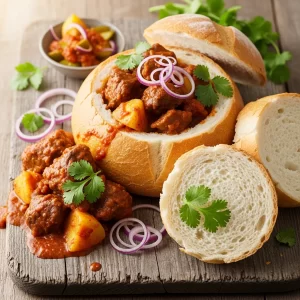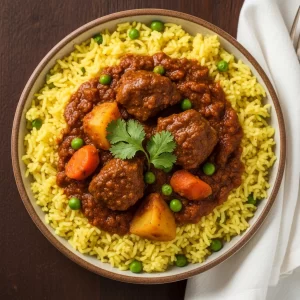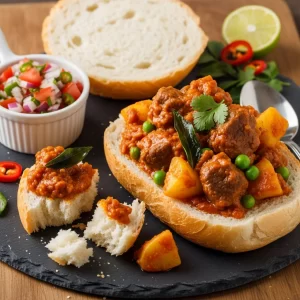

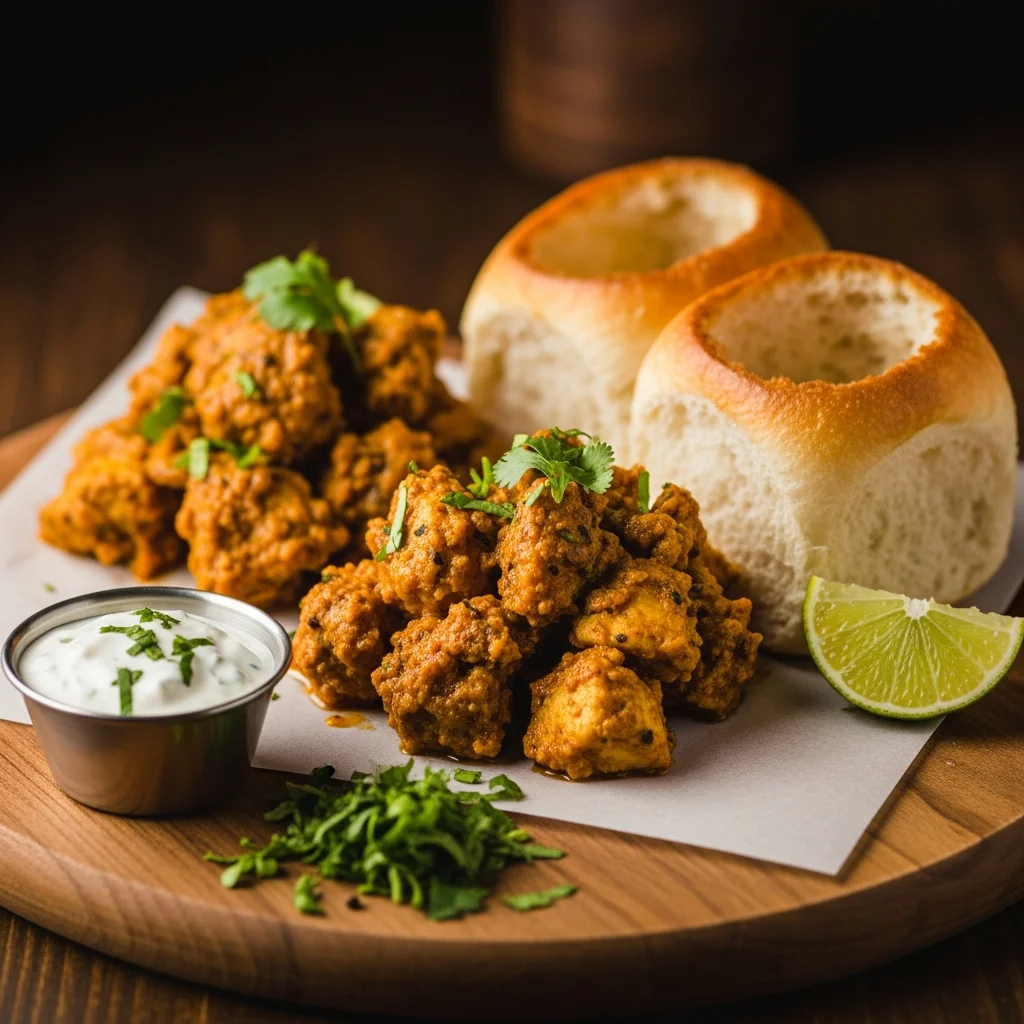
Bursting with bold flavors and steeped in rich history, Bunny Chow is much more than just a meal-it’s a vibrant symbol of South Africa’s diverse culinary tapestry. Born in the bustling streets of Durban, this iconic dish wraps hearty curry inside a hollowed-out loaf of bread, creating a handheld feast that’s as practical as it is spicy. In “Bunny Chow Unwrapped: South Africa’s Spicy Street delight,” we’ll peel back the layers of this beloved street food, exploring its origins, mouthwatering varieties, and the cultural heartbeat that keeps its fiery spirit alive. Prepare your taste buds for a journey into one of South Africa’s most unforgettable comfort foods.
Origins and Evolution of Bunny Chow in South African Culinary Culture
Bunny Chow unwrapped reveals much more than a simple street food dish; it opens a flavorful window into the rich history of South Africa’s vibrant Indian community and their culinary ingenuity. Born in the bustling townships of Durban during the mid-20th century, bunny chow was originally a humble solution to the need for portable, affordable meals among Indian laborers who worked long hours in the sugarcane fields and factories. By hollowing out a loaf of white bread and filling it with spicy curry, early vendors created a delicious, hand-held meal that could be eaten without utensils. Today, bunny chow has evolved beyond its modest beginnings to become a beloved national icon, enjoyed across South Africa’s diverse communities and international food scenes alike.
The dish’s evolution reflects this multicultural embrace, blending customary Indian spices with local South African ingredients and flavors, resulting in a curry that’s robust, aromatic, and deeply satisfying. From lamb and mutton to chickpeas and vegetables, the fillings have diversified without losing the signature spicy punch and hearty presentation. Exploring bunny chow is like tracing a culinary timeline, where every bite narrates the story of cultural resilience and cross-cultural fusion.
Key Ingredients and Flavour Profiles That Make Bunny Chow Unique
What truly sets bunny chow apart is its balance between the simplicity of the bread and the intensely spiced curry filling. The bread-usually a quarter or half loaf of soft white bread-acts as both container and palate, absorbing the rich gravy while providing a soft, slightly chewy counterpoint. The curry itself is a feat of meticulously layered flavors: fiery chili, earthy turmeric, fragrant cardamom, warm cumin, and zingy coriander blend seamlessly with garlic, onion, and fresh ginger.
Core ingredients include:
- Meat or vegetarian base: traditional options like lamb, beef, or chicken, as well as vegetarian delights such as chickpeas or lentils.
- Onions and tomatoes: for building body and depth.
- Spices: a mixture of both dry and fresh spices that awaken the senses, including curry powder, garam masala, red chili powder, and turmeric.
- Fresh herbs: coriander leaves brighten the dish, providing freshness against the heat.
- Chili sauce or green chili: to customize heat levels and add complexity.
The combination creates a curry that is concurrently spicy, savory, and aromatic, complemented by the mild, slightly sweet bread-an irresistible duo that defines this South African delight.
Where to Find the Best Authentic Bunny Chow Across South African Cities
Every city and township puts its own spin on bunny chow, but some places are simply unmatched for authenticity and soul. Durban remains the heartland, with iconic spots like The Bunny Chow Shop where generations have perfected the craft. Johannesburg’s Curry Mile offers bustling hubs where spicy aromas fill the air, and Cape Town boasts vibrant street stalls curated by Indian chefs reviving heritage recipes. For those craving an urban twist, food markets in Pretoria and Port Elizabeth serve innovative bunny chows with gourmet fillings like butter chicken or paneer tikka.
For travelers or locals wanting reliable recommendations, the South african tourism site offers well-curated listings and tips on where to sample this iconic dish authentically.
Tips for Making Bunny Chow at Home with a modern Twist
Enthusiasts eager to bring bunny chow unwrapped into their kitchen will find a rewarding balance between tradition and creativity awaits. Begin with freshly baked or quality store-bought white bread loaves-cut carefully to create a pocket without slicing all the way through. Prepare a deeply spiced curry based on your preference: lamb keema for meat lovers, or hearty lentil dhal for vegetarians.
To infuse a modern touch, consider these ideas:
- Add a splash of coconut milk to your curry for creaminess and tropical aroma.
- Incorporate roasted vegetables like eggplant or butternut squash for added texture and nutrients.
- Use artisanal bread such as brioche for a richer bite or whole wheat for health-conscious cooks.
- top with fresh mango chutney or pickled onions to add tang and complexity.
- Experiment with homemade chili sauces or smoked paprika to customize the heat and smokiness.
These tweaks allow bunny chow to retain its soul while elevating flavors and presentation.
Prep and Cook Time
- Prep Time: 20 minutes
- Cook Time: 40 minutes
- Total time: 1 hour
Yield
- Serves 4
Difficulty Level
- medium
Ingredients
- 1 loaf white bread (unsliced, fresh)
- 500g lamb mince or chickpeas cooked (for vegetarian option)
- 2 tablespoons vegetable oil
- 1 large onion, finely chopped
- 3 garlic cloves, minced
- 1 tablespoon grated fresh ginger
- 2 fresh green chilies, finely sliced (adjust to taste)
- 2 large tomatoes, pureed or chopped
- 1 teaspoon ground turmeric
- 1 tablespoon coriander powder
- 1 tablespoon cumin powder
- 2 teaspoons garam masala
- 1 teaspoon chili powder (optional for extra heat)
- Salt to taste
- fresh coriander leaves for garnish
- 150 ml water or broth
- Optional: 50 ml coconut milk for modernization
Instructions
- Prepare the bread: Cut the loaf into quarters. Hollow out each quarter carefully, creating a “bowl” while leaving a sturdy crust edge for holding the curry.
- Heat oil in a heavy-bottomed pan over medium heat. Add onions and sauté until translucent and starting to turn golden, about 5 minutes.
- Add garlic, ginger, and chilies and cook for 2 minutes until fragrant. Stir often to prevent burning.
- Mix in ground spices (turmeric, coriander, cumin, garam masala, chili powder). Cook for 1-2 minutes, stirring constantly to toast the spices gently.
- Add lamb mince or chickpeas. Break up the meat with your spoon and brown evenly for 6-8 minutes, or stir chickpeas gently to coat.
- Pour in tomatoes and cook down until thickened, about 10 minutes, adding water or broth as needed to develop a saucy consistency.
- Optional step: Stir in coconut milk and simmer for an additional 5 minutes for a creamy finish.
- Season generously with salt. Taste and adjust spices or heat.
- To serve: Spoon hot curry generously into each hollowed bread quarter. Garnish with fresh coriander leaves and serve immediatly for best texture.
Chef’s notes
- Meat substitutions: Try beef or chicken if lamb isn’t available, adjusting cooking times accordingly.
- Vegetarian variations: Use hearty lentils, black beans, or mixed vegetables as filling for a meat-free version.
- make-ahead tips: Prepare the curry a day in advance-the flavors deepen beautifully overnight. Reheat gently before filling bread.
- Bread options: Slightly stale bread works well as it absorbs curry without falling apart.
- Serving warm: Warm bread in a 180°C oven for 3-5 minutes prior to filling to enhance softness.
Serving Suggestions
Enhance your bunny chow experience by serving with traditional South African side favorites such as mango chutney, tangy pickled onions, or fresh cucumber raita to balance heat.Add a wedge of lime for a zesty finish.Share alongside a cold beverage like a Castle Lager or chilled rooibos iced tea for an authentic pairing. Presentation-wise, serve the filled bread on rustic wooden boards or traditional enamel plates to echo street food charm.
| Nutrient | Per Serving |
|---|---|
| Calories | 520 kcal |
| Protein | 32 g |
| Carbohydrates | 48 g |
| Fat | 18 g |
Q&A
Q&A: Bunny Chow Unwrapped – South Africa’s Spicy Street Delight
Q1: What exactly is Bunny Chow?
A1: Bunny Chow, affectionately known as “bunny,” is a uniquely South african street food that’s equal parts comfort and culture. it’s essentially a hollowed-out loaf of white bread filled to the brim with spicy curry – a handheld meal bursting with flavor, history, and soul.
Q2: How did Bunny Chow get its name?
A2: The origins of the name “bunny” are a little mysterious, but most food historians agree it evolved from “bania chow,” referring to the Indian merchant caste (banias) who popularized the dish. Over time, “bania chow” morphed into the catchy “bunny chow,” reflecting the dish’s Indian roots and South African street vibe.
Q3: Where did Bunny Chow originate?
A3: Bunny Chow was born in the bustling townships of Durban, home to a vibrant Indian community. In the 1940s, workers needed a portable, affordable, and filling lunch – so curry served inside bread was the perfect answer. It quickly became a beloved staple, spreading far beyond Durban’s borders.
Q4: What makes Bunny Chow so special?
A4: It’s the messy,hands-on experience! You tear into the thick bread “container,” scoop up rich, spicy curry, and savor the interplay of soft, pillowy bread soaking up fiery sauce. Each bite is a vibrant mix of textures and spices that tells a story of cultural fusion and community.
Q5: What kinds of fillings are traditional?
A5: The classic Bunny Chow features lamb, mutton, or chicken curry. Vegetarian options like beans, lentils, or chickpeas are also popular, especially in modern takes. The curry is usually a hearty, slow-cooked affair, brimming with fragrant spices like turmeric, coriander, chili, and cumin.
Q6: How is Bunny Chow best enjoyed?
A6: Like all legendary street food, Bunny Chow is best enjoyed fresh and hot, ideally from a lively Durban street vendor or local eatery. It’s often accompanied by a chilled beverage, and eaten with your hands – embracing the delicious chaos without forks or plates.
Q7: Can Bunny Chow be found outside South Africa?
A7: While Bunny Chow remains quintessentially South African, its fame has crossed oceans thanks to diaspora communities and food enthusiasts. You’ll find Bunny Chow-inspired dishes on menus in places like London and Australia, but nothing quite matches the authentic vibe of Durban’s street stalls.
Q8: Why should food lovers try Bunny Chow?
A8: As Bunny Chow is more than a dish – it’s a flavorful gateway into South Africa’s multicultural heritage, an everyday festivity of spice, texture, and tradition. It’s a food adventure that satisfies hunger and curiosity alike, inviting you to unwrap a piece of history with every bite.
In Retrospect
As the aroma of rich curry and freshly baked bread lingers in the air, Bunny Chow stands as more than just a meal-it’s a vibrant slice of South Africa’s cultural tapestry. From humble beginnings in durban’s bustling streets to becoming a beloved national treasure, this spicy street delight invites food lovers everywhere to savor its bold flavors and storied past. So, whether you’re a curious traveler or a passionate foodie, unwrapping a Bunny Chow is more than just eating-it’s experiencing a flavorful journey woven with history, community, and zest. Next time you crave a taste that bites back with spice and soul, remember: Bunny Chow isn’t just food-it’s a celebration served in a hollowed-out loaf.