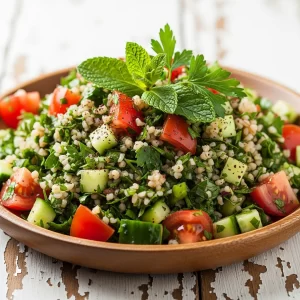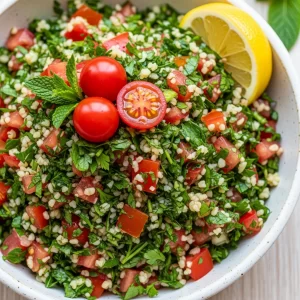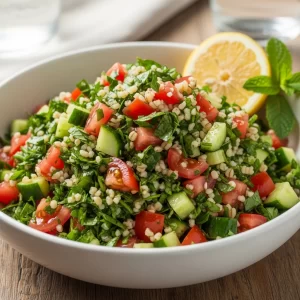

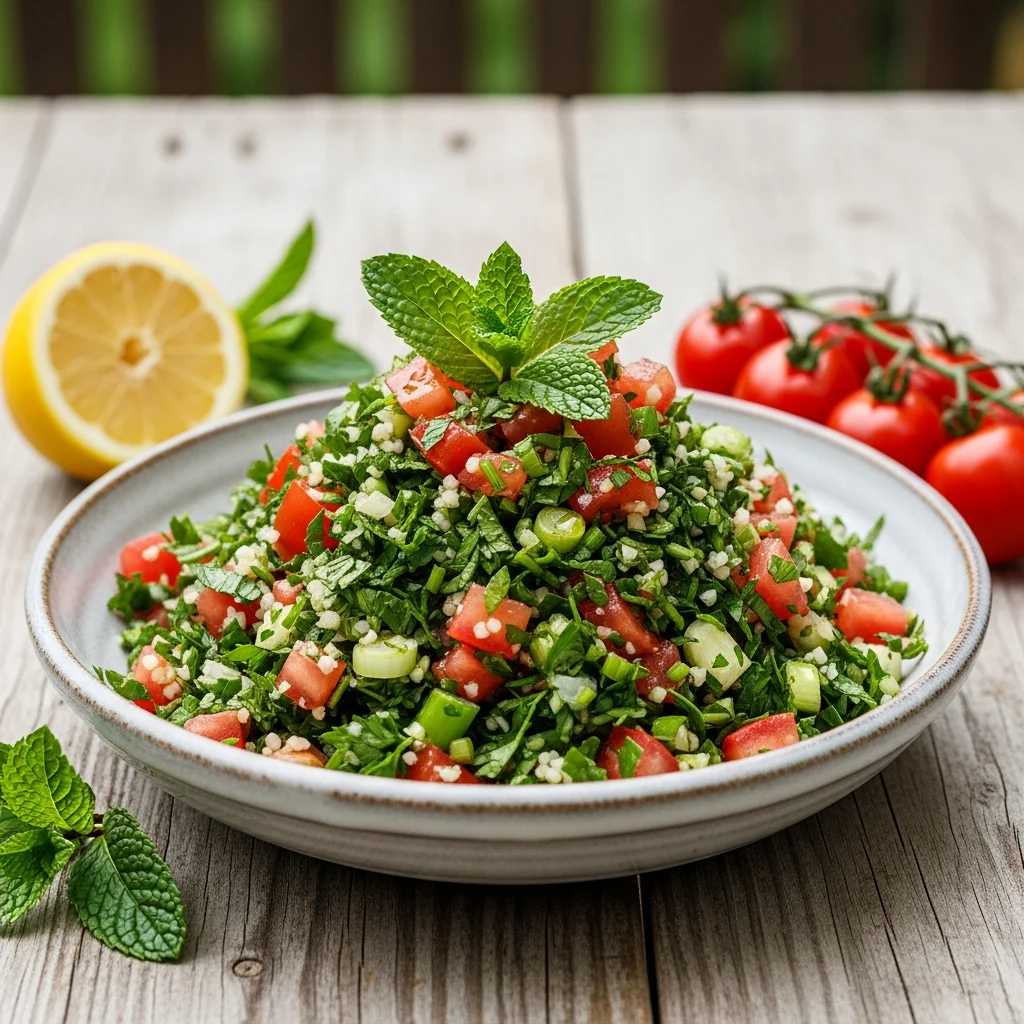
In the vibrant tapestry of Middle Eastern cuisine, few dishes shine as brightly as tabbouleh. Traditionally celebrated for its refreshing blend of parsley, bulgur, tomatoes, and a zesty lemon dressing, this classic salad has long been a staple on tables around the world. But what if tabbouleh could evolve-embracing new ingredients, flavors, and textures-while staying true to its roots? Welcome to “Tabbouleh Unveiled: A Fresh twist on a Classic Salad,” where we embark on a culinary journey that reimagines this beloved dish, honoring its heritage while inviting innovation. Prepare to rediscover tabbouleh in a whole new light, as age-old tradition meets contemporary creativity.
Tabbouleh is more than just a refreshing salad; it is a vibrant festivity of the Levantine culinary heritage that has evolved beautifully over centuries. Originating from the mountains of Lebanon and Syria, this salad embodies the perfect harmony of fresh herbs, citrus, and grain, capturing the essence of Mediterranean flavors in every bite. As a Culinary Content Creator and Food Stylist, I find the rich tapestry of traditional ingredients and regional twists captivating, inspiring endless creativity in the kitchen.Today, let’s explore how tabbouleh transforms from its rustic roots into a modern masterpiece that awakens the senses and adds a fresh twist to any meal.
Prep and Cook Time
- Preparation: 20 minutes
- Soaking Bulgur: 15 minutes
- total Time: 35 minutes
Yield
serves 6 as a side dish or refreshing appetizer
Difficulty Level
easy – perfect for both novice cooks and seasoned chefs alike
Ingredients
- 1/2 cup fine bulgur wheat, soaked in cold water for 15 minutes and drained
- 2 cups fresh parsley, finely chopped (stems removed for best texture)
- 1/2 cup fresh mint leaves, finely chopped
- 3 medium ripe tomatoes, finely diced
- 1/2 cup cucumber, finely diced (optional for regional variation)
- 3 green onions, thinly sliced (both white and green parts)
- Juice of 2 large lemons, freshly squeezed
- 1/4 cup extra-virgin olive oil
- Salt, to taste
- Freshly ground black pepper, to taste
- A pinch of ground allspice or cinnamon (optional for a warm, fragrant touch)
instructions
- Prepare the bulgur: Place the bulgur in a medium bowl and cover it with cold water. Let it soak for 15 minutes until tender but still slightly chewy. Drain well, pressing out excess moisture to avoid sogginess.
- Chop the herbs and vegetables: Using a sharp knife, finely chop the parsley and mint to achieve a fluffy, delicate texture.Dice the tomatoes and cucumber uniformly, ensuring each piece is similar in size for perfect balance.
- Combine the ingredients: In a large mixing bowl, gently toss the drained bulgur with parsley, mint, tomatoes, cucumber, and sliced green onions. The visual contrast of vibrant green herbs and ruby-red tomatoes is stunning and appetizing.
- Dress the salad: Drizzle fresh lemon juice and olive oil over the mixture. Season with salt, pepper, and a pinch of allspice if using. Toss thoroughly but gently to evenly coat every bite with bright citrus and silky olive oil.
- Rest and meld flavors: Cover the salad and refrigerate for at least 20 minutes before serving. This resting phase helps the flavors marry beautifully, allowing the herbs to infuse their freshness throughout the bulgur.
- Final taste adjustment: Before serving, taste and adjust seasoning, adding more lemon juice or salt if necessary to perfect the salad’s signature balance of tangy, fresh, and herbaceous notes.
Chef’s Notes: Tips for Success
- Herb balance is key: Parsley is the star, but mint provides a cooling contrast. Feel free to experiment with fresh cilantro or dill for regional flair.
- Bulgur choice matters: Fine bulgur soaking quickly is traditional, but coarse bulgur soaked or lightly steamed offers a heartier texture.
- Lemon juice is your magic ingredient: Always use freshly squeezed lemon juice for a bright, clean punch. Bottled juice lacks the vibrant zing that elevates tabbouleh.
- Make ahead: Tabbouleh tastes even better the next day after flavors have married. Keep covered in the refrigerator and stir before serving.
- For gluten-free option: Swap bulgur with finely chopped quinoa or cauliflower rice to maintain texture and flavor while catering to dietary needs.
Serving Suggestions
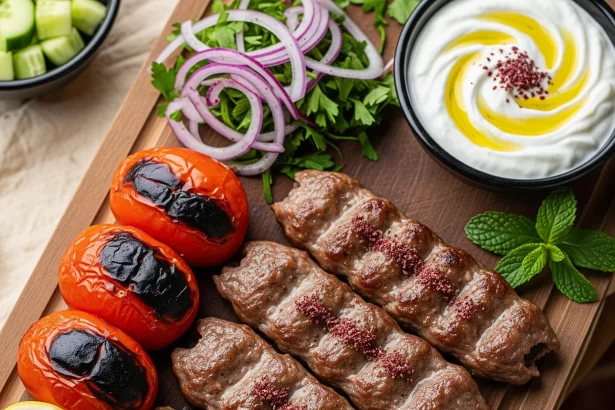
Present tabbouleh on a large, white platter to make the salad’s vibrant greens pop.Garnish with whole mint sprigs and thin lemon wheels for a fresh, inviting look. It pairs beautifully with grilled meats,falafel,or simply spread on warm pita bread. For a contemporary touch, serve tabbouleh in small glass jars layered with creamy hummus and roasted vegetables.
Nutrition information
| Nutrient | Per Serving (approx.) |
|---|---|
| Calories | 160 kcal |
| Protein | 4 g |
| Carbohydrates | 22 g |
| Fat | 7 g |
for a deeper dive into ancient Levantine grain dishes and their modern adaptations, visit our article on Ancient Grains on the Modern Table. Discover more about bulgur’s history and nutritional benefits on britannica.
Q&A
Q&A: Tabbouleh Unveiled – A Fresh Twist on a Classic Salad
Q1: What is tabbouleh, and where does it come from?
A1: Tabbouleh is a vibrant, herb-packed salad originating from the Levant region, especially Lebanon and Syria. Traditionally, it features bulgur wheat, fresh parsley, mint, tomatoes, lemon juice, olive oil, and a pinch of salt-celebrated for its bright, zesty flavors and refreshing crunch.
Q2: Why has tabbouleh become so popular worldwide?
A2: Beyond its delightful taste, tabbouleh appeals to health-conscious eaters with its nutrient-rich ingredients-loaded with antioxidants, fiber, and vitamins. Its versatility as a side dish or a light meal, combined with a naturally vegan and gluten-kind profile (when bulgur is substituted), has propelled tabbouleh onto global menus.
Q3: What fresh twists are chefs adding to classic tabbouleh?
A3: Modern takes on tabbouleh embrace creativity-think quinoa replacing bulgur for a gluten-free punch, radishes adding peppery crunch, or pomegranate seeds introducing juicy bursts of sweetness. Some adventurous cooks infuse citrus zest, swap parsley for kale, or drizzle spicy harissa oil for bold new dimensions.
Q4: How can home cooks elevate their tabbouleh experience?
A4: Elevation begins with ingredient quality-choose vibrant, fresh herbs and ripe, juicy tomatoes. Toasting the bulgur lightly can add a nutty depth, while balancing lemon and olive oil ensures a perfect tang and silkiness. Don’t be afraid to experiment by adding toasted nuts, creamy avocado, or even crumbled feta for texture contrasts.
Q5: Can tabbouleh fit into various dietary lifestyles?
A5: Absolutely! tabbouleh is inherently plant-based and can be easily adapted for gluten-free diets (using quinoa or millet). Its fresh components suit paleo, vegan, and Mediterranean eating plans, making it a naturally inclusive dish that invites everyone to share the goodness.
Q6: What occasions are ideal for serving tabbouleh?
A6: Tabbouleh shines as a vibrant starter at festive gatherings, a refreshing picnic companion, or a light lunch during warm days. Its bright flavors cleanse the palate and complement rich grilled meats, smoky dishes, or hearty dips, making it a versatile crowd-pleaser year-round.
Q7: Any insider tips for storing and prepping tabbouleh?
A7: For best flavor, prepare tabbouleh a few hours ahead to let the herbs and bulgur soak up the zesty dressing-but keep it refrigerated to preserve freshness. Add delicate ingredients like avocados just before serving to avoid browning, and toss gently to maintain that signature light, airy texture.
With tabbouleh’s classic charm and inventive twists, this salad continues to refresh palates and redefine healthy eating. Whether you stick to tradition or explore bold new variations, tabbouleh invites you to savor nature’s freshest bounty in every bite.
key Takeaways
As we’ve discovered, tabbouleh is far more than just a salad-it’s a vibrant celebration of fresh ingredients, rich history, and timeless flavor. By embracing new twists while honoring tradition, this humble dish continues to evolve, inviting both seasoned food lovers and curious newcomers to experience its irresistible charm. Whether enjoyed as a zesty side or a nourishing main, tabbouleh remains a testament to the art of simplicity elevated. So next time you crave a burst of freshness on your plate, remember: with tabbouleh, every bite tells a story-and every variation is a delicious invitation to explore.