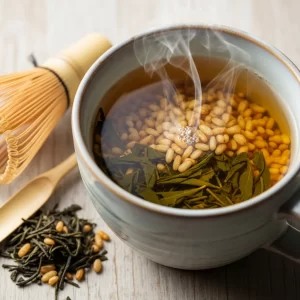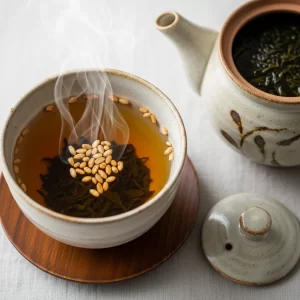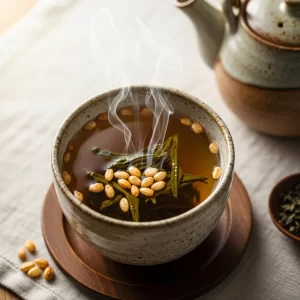

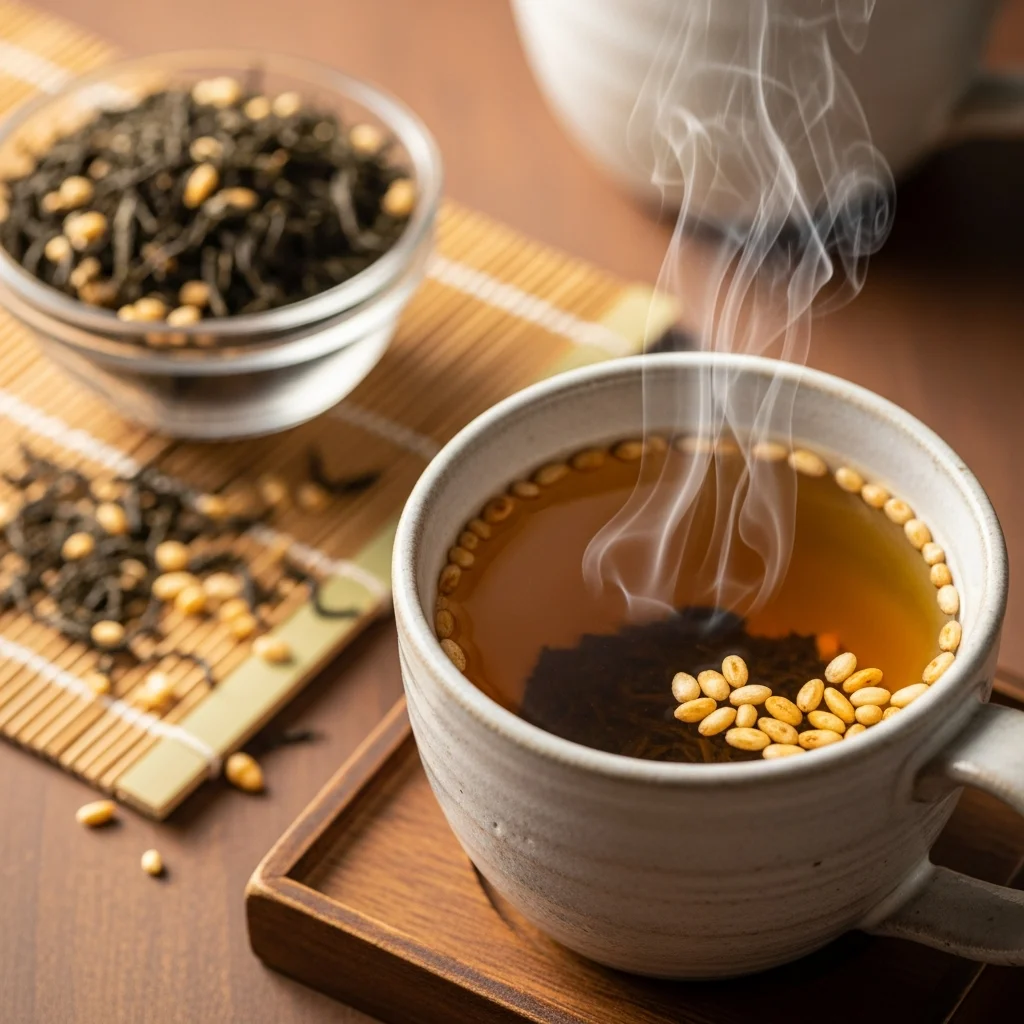
In the serene world of Japanese tea, where every leaf tells a story and every sip is a journey, Genmaicha stands apart as a captivating blend of tradition and surprise. Often called the “popcorn tea” for its unique pairing of toasted brown rice and green tea leaves, Genmaicha invites tea lovers to explore a harmonious fusion of nutty warmth and grassy freshness. Beyond its distinctive flavor lies a rich history woven into the daily lives of Japan’s people-a humble brew that bridges cultural heritage and modern palate alike. Join us as we unveil the art and flavor of Genmaicha, delving deep into its origins, brewing rituals, and the sensory experience that has charmed generations across the world.
Genmaicha Unveiled: one of Japan’s most comforting and distinctive teas, this delightful blend of roasted brown rice and fresh green tea leaves offers more than just a drink-it tells a story steeped in history, culture, and simple elegance. Originating as a humble, affordable tea for common folk, genmaicha has bloomed into a beloved staple, cherished for its nutty aroma and smooth, earthy flavor. Personally, the moment I first brewed genmaicha, the delicate balance of toasty warmth and fresh vegetal notes reminded me of serene tea ceremonies and the soothing embrace of traditional Japanese kitchens.
Origins and Cultural significance: The Unique Fusion of Roasted Rice and Green Tea Leaves
Genmaicha’s roots trace back to the Edo period, where it was crafted as a clever solution to stretch precious tea leaves by mixing them with roasted rice. This blend didn’t just conserve tea but created a new sensory experience,emblematic of Japanese resourcefulness and respect for ingredients. Roasting the rice unlocks a sweet, popcorn-like aroma, which beautifully complements the green tea’s grassy nuances, resulting in a harmonious and approachable drink that transcends social classes.
In modern Japan, genmaicha is more than a beverage-it epitomizes warmth and hospitality, often served in homes and restaurants alike, bridging casual daily moments with deeper cultural rituals.
Brewing Techniques to Unlock Genmaicha’s Rich Flavor Profile
To truly savor the art of genmaicha, meticulous brewing is key.Start with high-quality genmaicha tea leaves, ensuring a balanced ratio of tea to roasted rice. The water temperature should hover around 80°C (176°F), cooler than boiling, to preserve the tea’s delicate flavor without bitterness.
Use about 2 teaspoons of tea per 8 ounces of water and steep for 2 to 3 minutes. Avoid rushing this process-gentle steeping teases out the subtle sweetness and umami notes, while revealing the roasted rice’s comforting aroma that fills the kitchen and teacup alike.
Pairing Genmaicha with Japanese Cuisine and Beyond
Genmaicha’s nutty and mellow character lends itself beautifully to a wide range of dishes. Traditionally, it pairs flawlessly with light Japanese fare such as sushi, sashimi, tempura, or even savory rice balls (onigiri), where its toasty undertones enhance, not overpower, the flavors.
Expanding beyond Japan, genmaicha’s versatility invites pairings with mild cheeses, steamed vegetables, and even lightly spiced dishes, offering refreshing contrast and balance. Don’t hesitate to serve it chilled on warm days for a revitalizing twist.
Prep and Cook Time
- Planning: 2 minutes
- brewing: 3 minutes
- Total Time: 5 minutes
Yield
Serves 1 cup (about 8 oz)
Difficulty Level
Easy
Ingredients
- 2 teaspoons genmaicha tea leaves (a blend of green tea and roasted brown rice)
- 8 ounces (240 ml) filtered water at 80°C (176°F)
- Optional: a slice of lemon or a small drizzle of honey (for light sweetness)
Instructions
- Heat filtered water until it reaches approximately 80°C (176°F). Avoid boiling water to prevent bitterness.
- Measure 2 teaspoons of genmaicha tea leaves into a teapot or infuser.
- Pour hot water over the tea leaves gently. Allow the tea to steep for 2 to 3 minutes. Adjust steeping time to your taste-longer for a stronger cup.
- Strain the tea into your favorite cup or tea bowl, ensuring none of the leaves or rice grains pour through.
- Optional: add a slice of lemon or a hint of honey to enhance sweetness without overwhelming the traditional flavor.
- Enjoy immediately, savoring the warm, nutty aroma and smooth finish.
Chef’s Notes and Tips for Success
- Water quality: Use filtered water to preserve the delicate nuances of the tea.
- Temperature Control: If unavailable, let boiling water cool for 5 minutes before steeping.
- Tea-to-Water Ratio: Adjust based on preference. for stronger flavor, increase tea leaves by half a teaspoon.
- Re-steeping: Genmaicha can be steeped 2-3 times. Increase steeping time slightly for subsequent brews.
- Make-ahead: Dry roasted rice (without tea leaves) can be toasted at home in a dry skillet for 5 minutes, allowing custom blends.
Serving Suggestions
Present your warm cup of genmaicha in traditional Japanese tea ware for authenticity-ceramic cups or a rustic kyusu (teapot). Garnish with a small sprig of fresh mint or a single cherry blossom petal for a visual and aromatic uplift. Pair alongside a light bento box or simple rice crackers, inviting your guests to appreciate this timeless fusion of flavors.
| Nutritional Component | Amount per 8 oz cup |
|---|---|
| Calories | 5 kcal |
| Protein | 0.3 g |
| Carbohydrates | 1 g |
| Fat | 0 g |
For a deeper dive into Japanese tea culture, explore our extensive guide on Japanese green teas. To verify detailed tea history and health benefits, visit the Japan Guide’s tea culture page.
Q&A
Q&A: Genmaicha Unveiled - The Art and Flavor of Japanese Tea
Q1: What exactly is Genmaicha?
A1: Genmaicha is a traditional Japanese green tea blend uniquely paired with roasted brown rice. Often dubbed “popcorn tea” due to the occasional popped kernels in the mix, it combines the fresh, grassy notes of green tea with the warm, nutty aroma of toasted rice, creating a comforting and chewy sip that’s both soothing and invigorating.
Q2: How did Genmaicha originate?
A2: Legend has it that Genmaicha was born from humble beginnings-originally consumed by the common folk and farmers in Japan as a way to stretch expensive green tea with affordable roasted rice. This blend not only made tea more accessible but also introduced a delightful, distinct flavor profile that transcended socio-economic boundaries and became beloved nationwide.
Q3: What makes Genmaicha different from other Japanese teas?
A3: Unlike pure green teas like Sencha or matcha, Genmaicha offers a harmonious balance of vegetal freshness and warm, toasty undertones. The roasted rice adds a subtle sweetness and depth, tempering green tea’s natural bitterness and acidity, creating an approachable brew that appeals even to those new to Japanese teas.
Q4: How is Genmaicha traditionally prepared?
A4: To brew Genmaicha, use about one teaspoon per cup, steeping the blend in water heated to around 70-80°C (158-176°F) for one to two minutes. The lower temperature prevents bitterness, while the short steep time preserves the nuanced flavors. The result is a golden-hued infusion, bursting with savory, toasted notes, and a mellow, refreshing finish.
Q5: Are there different varieties of Genmaicha?
A5: Absolutely! Variations can include different grades of green tea leaves, from delicate sencha to more robust Bancha, coupled with varying ratios of roasted rice. Some artisanal blends even incorporate popped rice or add a touch of matcha for vibrancy, showcasing the tea’s versatility and depth.
Q6: What health benefits does Genmaicha offer?
A6: Genmaicha is a treasure trove of antioxidants from the green tea, supporting metabolism, heart health, and mental clarity. The roasted rice adds fiber and gentle carbs, making this blend a gentle energizer without the jitters. Plus, its lower caffeine content compared to pure green tea makes it an excellent choice for any time of day.
Q7: How can Genmaicha be enjoyed beyond the cup?
A7: Beyond sipping, Genmaicha’s nutty, earthy essence makes it a fantastic ingredient in culinary creations-think Genmaicha-infused desserts, ice creams, and even savory broths. Foodies and chefs alike harness its unique flavor to add a quintessentially Japanese twist to recipes.
Q8: Where can one find authentic Genmaicha?
A8: Authentic Genmaicha is often best sourced from specialty tea shops or reputable Japanese tea vendors, where freshness and quality are prioritized. Exploring local tea markets in Japan or trusted online purveyors ensures you experience the full, rich character of this storied brew.
Q9: Why should tea lovers give Genmaicha a try?
A9: For the adventurous palate and the comfort-seeker alike, Genmaicha offers a world where tradition meets taste. It invites you to savor a tea that’s humble yet complex, bridging history, culture, and flavor in every cup. It’s not just tea; it’s a warm embrace in a mug-waiting to be discovered.
In Summary
As the final leaves of Genmaicha steep and swirl, we come to appreciate not just a cup of tea, but a story steeped in history, culture, and craftsmanship. This humble blend-where roasted brown rice meets verdant green leaves-invites us to savor both simplicity and complexity in a single sip. Whether you’re a seasoned tea connoisseur or a curious newcomer, Genmaicha offers a unique gateway into the artistry of Japanese tea. So next time you seek comfort or contemplation, let Genmaicha’s warm, nutty aroma and gentle flavor guide you on a timeless journey through japan’s rich tea heritage.