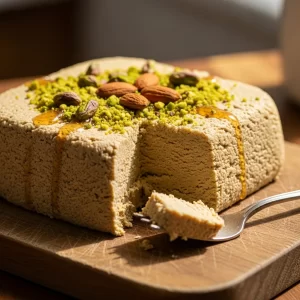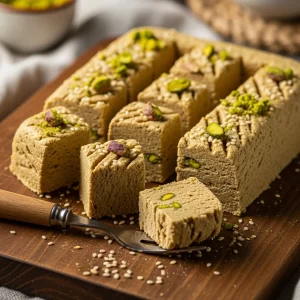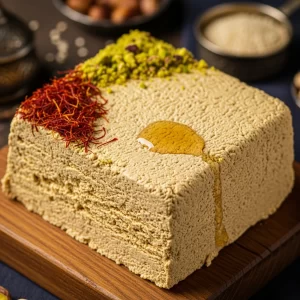

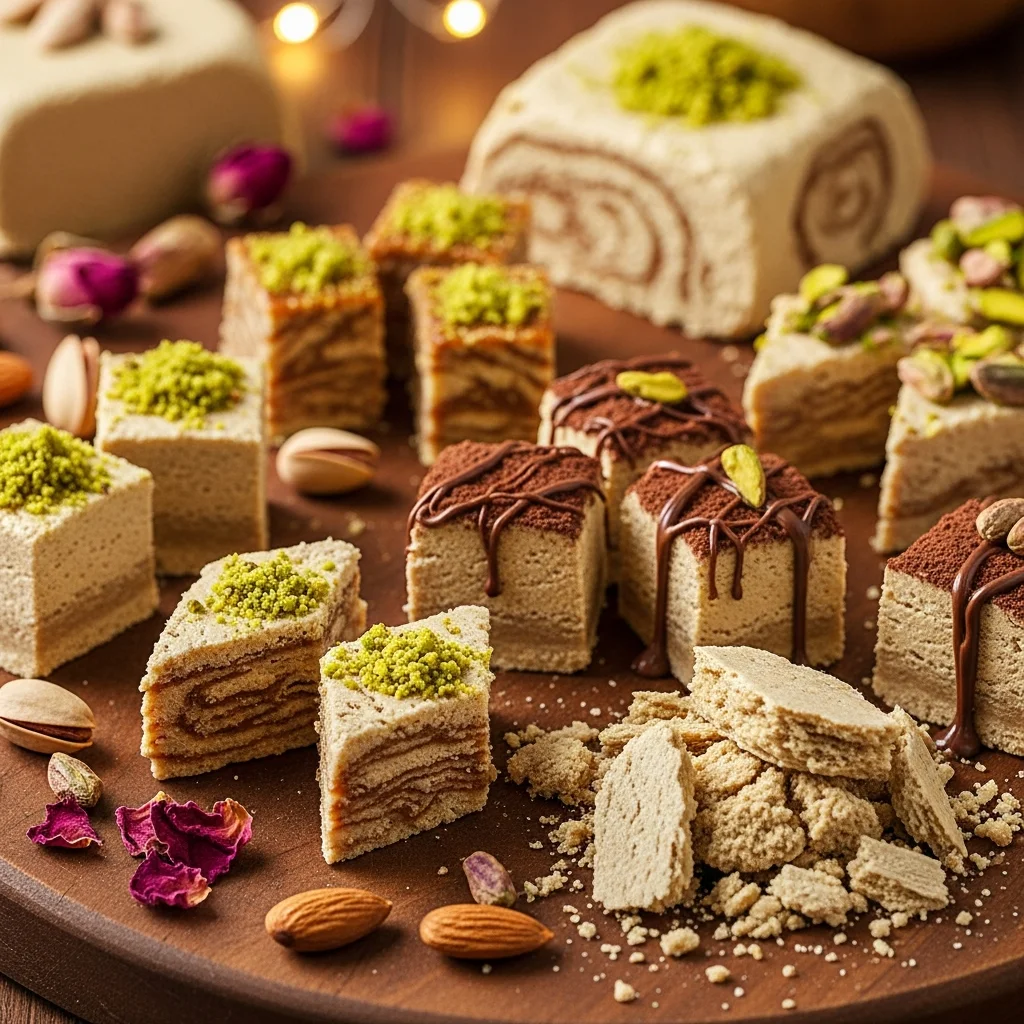
In the rich tapestry of global desserts, few treats carry as much history and cultural meaning as halva. this beloved confection, with its myriad textures and flavors, has journeyed through centuries and across continents, enchanting palates from the bustling bazaars of the Middle East to the festive tables of Eastern Europe and beyond. More than just a sweet indulgence, halva is a living tradition-a testament to the artistry of simple ingredients transformed into something extraordinary. Join us as we delve into the captivating story of halva, exploring its origins, diverse varieties, and the timeless appeal that keeps this ancient delight at the heart of celebrations and everyday moments alike.
Halva: Exploring the Sweet History and Flavors of tradition invites you on a sensory journey to uncover the golden threads of this ancient confection’s rich tapestry. With origins tracing back over two millennia to Mesopotamia and the Indian subcontinent, halva has evolved into a global symbol of celebration, comfort, and culinary artistry. Weather it’s the nutty, grain-based halva of the Middle East or the tahini-rich versions popular in Mediterranean tables, each bite speaks volumes about diverse cultures and their love for uniting simple ingredients into sublime sweetness.
Prep and Cook Time
- Preparation: 15 minutes
- Cooking: 30 minutes
- Total Time: 45 minutes
Yield
Serves 6 generous portions
Difficulty Level
Medium – ideal for adventurous home cooks familiar with stovetop technique and stirring patience
Ingredients
- 1 cup semolina, medium or coarse grain for texture
- 1 cup sugar
- 1 ½ cups water
- ½ cup unsalted butter (or ghee for authenticity)
- ¼ cup tahini (optional, for a creamy, sesame flavor)
- ½ cup toasted slivered almonds, plus extra for garnish
- ½ teaspoon cardamom powder
- 1 teaspoon rose water or orange blossom water
- Pinch of salt
Instructions
- Prepare the sugar syrup: In a medium saucepan, combine sugar, water, and a pinch of salt. Bring to a boil over medium heat,stirring to dissolve the sugar fully. Reduce the heat and simmer gently for 5 minutes. Stir in rose water, then set aside.
- toast the semolina: In a large, heavy-based skillet or non-stick pan, melt butter over medium heat. Add the semolina and continuously stir to coat each grain with butter. Toast until golden brown and fragrant, about 8-10 minutes, careful not to burn. The aroma will deepen and the color will shift to a rich amber.
- Add tahini (optional): Stir in tahini for a luscious, nutty richness. Mix evenly and toast an additional 2 minutes.
- Incorporate the syrup: Slowly pour the warm sugar syrup into the toasted semolina while stirring vigorously. The mixture will bubble and thicken rapidly-keep stirring to avoid lumps and prevent sticking.
- Flavor and combine nuts: Add cardamom powder and toasted almonds, folding them gently into the halva. Continue cooking on low heat until the mixture pulls away from the pan edges,thick and glossy,about 5 minutes.
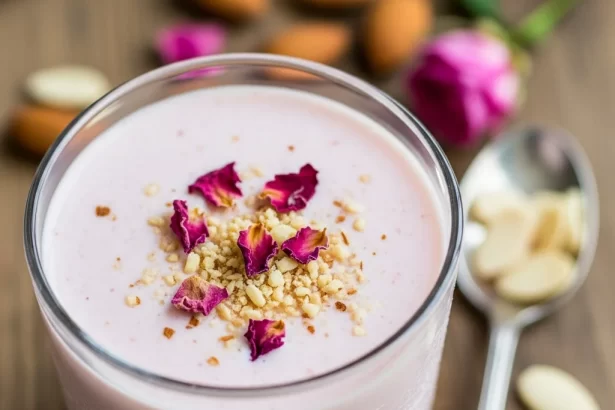
- Set the halva: Transfer the mixture to a greased shallow dish or mold. Smooth the top with a spatula and garnish with extra slivered almonds or edible rose petals for a stunning presentation. Allow to cool to room temperature,then cover and refrigerate for at least 2 hours to firm up before slicing.
Tips for Success
- Consistent stirring during toasting and syrup incorporation is key to avoid lumps and scorched flavors.
- Feel free to replace semolina with grated carrots or crushed nuts for regional varieties.
- If you prefer a vegan option, swap butter for coconut oil and omit tahini.
- Make ahead: Halva keeps beautifully for up to a week refrigerated and tastes even better as the flavors meld.
- use rose water sparingly; it’s potent and balances the sugar heightening the aromatic profile.
Serving Suggestions
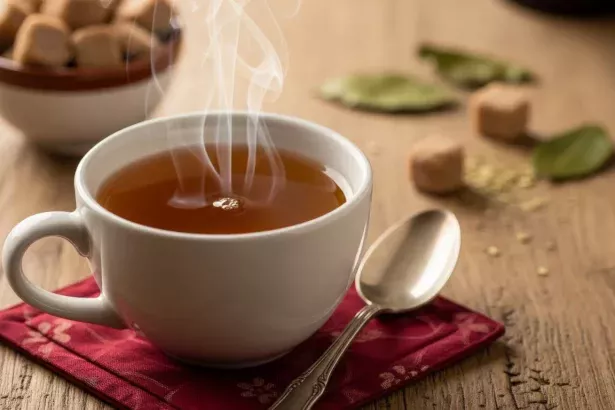
This rich halva pairs exquisitely with a strong cup of clove-spiced black tea or a smooth cardamom-infused coffee. For an indulgent afternoon treat, serve alongside a dollop of chilled Greek yogurt, drizzled honey, and fresh pomegranate seeds. Dental fans will appreciate a contrast with sharp citrusy sorbets or creamy pistachio ice cream. Keep garnishes natural and textural for visual contrast-think crunchy nuts, fragrant floral petals, or shining dried fruits.
| Nutrient | Per Serving |
|---|---|
| Calories | 320 kcal |
| Protein | 5 g |
| Carbohydrates | 45 g |
| Fat | 12 g |
For more sweet recipes inspired by ancient desserts, visit our Traditional Desserts Collection. To dive deeper into the history of halva, the Encyclopaedia Britannica offers a comprehensive overview of its evolution worldwide.
Q&A
Q&A: Halva – Exploring the Sweet History and Flavors of Tradition
Q1: What exactly is halva?
A1: Halva is a beloved sweet treat found across many cultures, known for its rich, dense texture and nutty flavor. At its core, it’s a confection made from sesame paste or ground nuts combined with sugar or honey, though the ingredients and preparation vary widely-from crumbly semolina-based versions to smooth, fudge-like delights.
Q2: Where did halva originate?
A2: the roots of halva trace back to the Middle East and the Mediterranean region, with historical records mentioning it as far back as the 7th century. Its origins are a tapestry woven through Persian kitchens, Ottoman palaces, Indian street stalls, and Jewish festivals, making halva a truly global sweet that carries centuries of cultural exchange.
Q3: What are the main types of halva?
A3: Broadly, halva falls into two main categories: flour-based and nut-butter-based. Flour or semolina halva is often cooked on stovetops with butter and sugar syrup, resulting in a soft, cakey texture. Simultaneously occurring, sesame or sunflower seed halva is more like a dense, crumbly fudge, prized for its nutty aroma and frequently enough studded with nuts or dried fruits.
Q4: How does halva’s flavor vary across different regions?
A4: The flavor palette of halva is as diverse as its cultural backdrop. In the Middle East, tahini-based halva carries a deep toasted sesame taste offset by honey’s sweetness. In India, you might find ghee-infused semolina halva dotted with cardamom and saffron.Eastern European versions might incorporate cocoa, vanilla, or even marzipan-like almonds, creating a interesting sensory mosaic.
Q5: Why has halva remained popular for so long?
A5: Part nostalgic comfort food, part celebratory delicacy, halva endures because it connects people to their heritage and traditions. Its simple ingredients are universally accessible, yet its preparation and flavorings allow for infinite creativity.Plus, halva’s richness makes it perfect for special occasions, holidays, or just a moment of indulgence.
Q6: Can halva be incorporated into modern desserts?
A6: Absolutely! Chefs and home cooks alike have embraced halva as a versatile ingredient-folding it into ice creams, crumbling it atop cakes, blending it into smoothies, or even transforming it into elegant parfaits. This melding of tradition with innovation keeps halva vibrant and relevant for new generations.
Q7: Where can someone try authentic halva?
A7: traditional markets in countries like Turkey, Greece, Israel, India, and across the Middle East are treasure troves of authentic halva varieties. However, many specialty stores worldwide and online retailers now offer artisanal halva, making this sweet heritage accessible to curious palates everywhere.
Q8: What is the cultural significance of halva?
A8: Beyond its delightful taste, halva often symbolizes hospitality, sweetness in life, and remembrance. In various cultures, it is served during religious ceremonies, family gatherings, or as a comforting treat in times of mourning, embodying a rich emotional and spiritual connection that transcends mere confectionery.
Halva is more than just a sweet-it’s a delicious narrative of history, culture, and craftsmanship, inviting us all to savor tradition one luscious bite at a time.
Wrapping Up
As we conclude our journey through the rich tapestry of halva’s history and its myriad flavors, it’s clear that this humble sweet is far more than just a dessert. It is a testament to cultural exchange,tradition,and culinary ingenuity-a confection that has transcended borders and generations. Whether enjoyed as a simple sesame treat or a decadent blend of nuts and spices, halva invites us to savor not only its unique textures and tastes but also the stories and heritage it carries. So the next time you indulge in a bite of halva, remember you’re tasting centuries of history, crafted lovingly by hands across time and place-a true celebration of sweetness in all its forms.