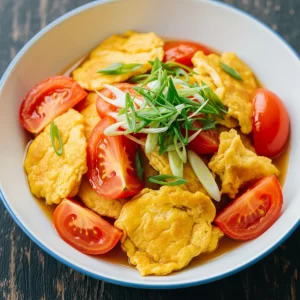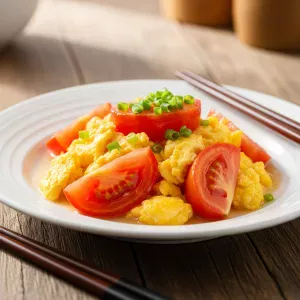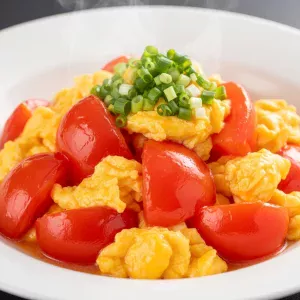
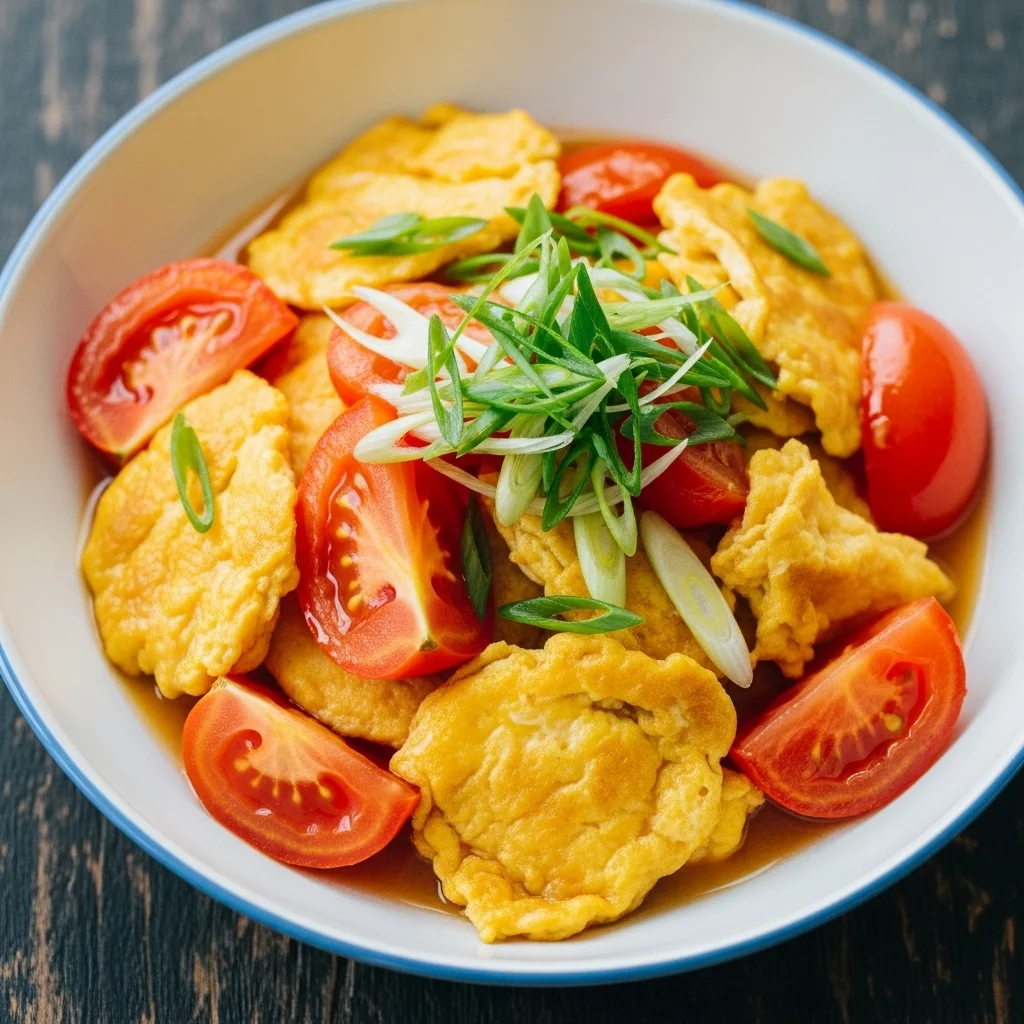
In teh vibrant tapestry of Chinese home cooking, few dishes capture the heart and palate quite like the humble stir-fried tomatoes and eggs. At first glance, it may seem deceptively simple-a colorful medley of fluffy eggs mingling with sun-ripened tomatoes. yet beneath its unpretentious exterior lies a culinary art form honed over generations, where balance, timing, and technique converge to create a dish that is both comfortingly familiar and endlessly satisfying. Join us as we unveil the secrets behind this beloved classic,exploring how each stir,each fold,and each burst of flavor tells a story of tradition,innovation,and the joyful simplicity that defines Chinese cuisine.
The culinary journey of Chinese Stir-Fried Tomatoes and eggs is a festivity of simple ingredients transforming into an extraordinary dish that is beloved across Chinese households and beyond. Originating as a humble home-cooked favorite, this dish captures the essence of Chinese comfort food – balancing the natural sweetness of ripe tomatoes with the rich, savory silkiness of softly scrambled eggs. Every bite delivers a perfect harmony that evokes nostalgia and warmth, making it an enduring classic in Chinese cuisine.
Prep and Cook Time
- Planning: 10 minutes
- Cooking: 8 minutes
- Total Time: 18 minutes
Yield
Serves 2-3 people as a main dish with rice.
Difficulty Level
Easy – Perfect for cooks of all skill levels seeking flavorful home comfort food.
Essential Ingredients and Kitchen tools for Authentic Preparation
- 4 large ripe tomatoes, cut into wedges (choose firm yet juicy)
- 4 large eggs, lightly beaten
- 2 tablespoons vegetable oil (or neutral oil like canola or peanut)
- 1 teaspoon sugar (balances acidity and enhances natural tomato sweetness)
- ½ teaspoon salt (adjust to taste)
- 1 teaspoon Shaoxing wine (optional, adds depth)
- 2 cloves garlic, minced (for gentle aromatic lift)
- 2 scallions, chopped (for garnish)
- Kitchen tools: a non-stick wok or large skillet, a silicone spatula, and a bowl for beating eggs.
Step by Step Techniques to Achieve Silky Eggs and Juicy Tomatoes
- Prepare tomatoes: Rinse and cut into uniform wedges to ensure even cooking and visually vibrant presentation.
- Beat eggs thoroughly: Whisk eggs with a pinch of salt and Shaoxing wine. The wine tenderizes the eggs and adds subtle complexity.
- Heat your wok: Warm 1 tablespoon oil over medium-high heat. Once shimmering,pour in the egg mixture. Let it sit briefly to form soft curds,then gently stir and fold until just set but still glossy. Remove eggs promptly to prevent overcooking.
- Sauté garlic: Add remaining oil to the wok, tossing in minced garlic. Stir briefly to release fragrance but avoid browning.
- Cook tomatoes: Add tomato wedges with sugar and salt. Sauté over medium heat until the tomatoes soften but retain some shape, releasing juicy sweetness-about 3-4 minutes. Stir occasionally, breaking down some wedges to create a luscious sauce.
- Combine eggs and tomatoes: Return the silky eggs to the wok.Gently fold together to marry the flavors without mashing the eggs.
- Final seasoning: Taste and adjust seasoning with extra salt or sugar if desired. Remove from heat.
- Garnish and serve: Sprinkle chopped scallions on top for a fresh, vibrant finish.
Tips for Success
- Use ripe but firm tomatoes, preferably plum or vine-ripened for the best balance of sweetness and acidity.
- Whisk eggs until frothy to incorporate air and produce fluffy, silky curds.
- Control heat carefully-too high can toughen eggs; too low leads to soggy tomatoes.
- Cook eggs separately and remove quickly to maintain their delicate texture.
- Shaoxing wine can be substituted with dry sherry if unavailable, or omitted if preferred.
- For a slightly tangier twist, a splash of black vinegar added right before serving adds depth.
- Make ahead tip: Cook eggs and tomatoes separately and combine just before serving to maintain freshness if prepping in advance.
Serving Suggestions
This dish shines served with steamed jasmine rice or congee to soak up the luscious sauce. For a feast, pair it with stir-fried greens like bok choy or Chinese broccoli. Garnish with freshly chopped scallions or a drizzle of toasted sesame oil to add an aromatic finish. It also makes a delightful filling for soft bao buns or lettuce wraps, expanding its versatility beyond a simple side.
| Nutrient | Per Serving |
|---|---|
| Calories | 180 kcal |
| Protein | 11 g |
| Carbohydrates | 9 g |
| Fat | 11 g |
For an in-depth look at classic Chinese home cooking techniques, explore our Authentic Chinese Flavors guide. Interested in the health benefits of tomatoes? This Healthline article on tomatoes offers complete insights.
Q&A
Q&A: The Art of Chinese Stir-Fried Tomatoes and Eggs Unveiled
Q1: What makes Chinese stir-fried tomatoes and eggs such a beloved dish?
A1: At first glance, it’s a simple pairing-juicy tomatoes and fluffy scrambled eggs.But this humble combo captures a perfect balance of sweet, tangy, and savory flavors that awaken the palate. It’s comfort food with a poetic twist, weaving together freshness and home-style warmth in every bite. Its popularity lies in its accessibility, vibrant colors, and that nostalgic feeling it brings to Chinese households worldwide.
Q2: How does the technique of stir-frying contribute to the dish’s unique texture and flavor?
A2: Stir-frying is a swift, high-heat dance that seals in the tomatoes’ juiciness while keeping the eggs tender and silky. The rapid tossing ensures the eggs don’t overcook to rubbery doom, while the tomatoes soften just enough to release their aromatic juices, creating a luscious sauce. This method respects each ingredient’s essence, resulting in a dish that’s lively and comforting all at once.
Q3: Are there any key ingredients that elevate this classic dish beyond the basics?
A3: Absolutely! A pinch of sugar enhances the tomatoes’ natural tanginess, while a splash of Shaoxing wine or a few drops of sesame oil can deepen the aroma. Fresh scallions or a hint of ginger bring brightness and complexity. Some purists insist on using Chinese cooking wine and light soy sauce,but the beauty of this dish lies in its versatility-each addition writes its own flavorful verse.
Q4: Can stir-fried tomatoes and eggs be adapted for different tastes or dietary needs?
A4: Definitely. For a vegan twist, silken tofu scrambled with turmeric can mimic the eggs’ softness. Spicy lovers might add a touch of chili oil or fresh chilies. For a heartier meal, toss in ground pork or shrimp. This dish’s simple framework welcomes creativity, making it a canvas for culinary exploration without losing its comforting roots.
Q5: What cultural importance does this dish hold in Chinese cuisine?
A5: More than just a meal, stir-fried tomatoes and eggs acts as a symbol of home and tradition. It’s frequently enough one of the first dishes children learn to cook, embodying the values of balance, simplicity, and nourishing love. Across generations, this dish links memories of family gatherings and everyday dinners alike, creating a shared language of taste that transcends time.
Q6: Any tips for achieving the perfect balance when cooking this dish?
A6: Aim for harmony in textures and flavors. Cook the eggs just until softly set-avoid overcooking. Let the tomatoes break down gently but not dissolve entirely, preserving a bit of their shape and freshness. Season gradually, tasting as you go, to hit that sweet-umami-tangy trifecta.And remember, timing is key: stir quickly, keep ingredients moving, and never lose sight of the lively interplay between heat and heart.
Through these insights,the art of Chinese stir-fried tomatoes and eggs reveals itself as more than a recipe-it’s a celebration of simplicity elevated by technique,culture,and love.
Closing Remarks
As the vibrant hues of tomatoes meld seamlessly with the golden silk of eggs in this humble yet profound dish, we uncover more than just a recipe-we unveil a narrative of tradition, balance, and simplicity that defines Chinese culinary artistry. Mastering the art of stir-fried tomatoes and eggs invites us to appreciate how everyday ingredients,through thoughtful technique and cultural insight,transform into a comfort that resonates across generations. Whether you’re a seasoned cook or a curious newcomer, embracing this iconic dish is an invitation to savor the harmony of flavors and the stories simmering within each bite-a true taste of China’s enduring kitchen legacy.