
There is a ritual tucked into the heart of every Italian morning - a small, rich cup of espresso that transcends mere beverage status to become an art form steeped in history and culture. Beyond its bold aroma and velvety crema lies a story of passion, precision, and centuries-old tradition that defines not only the craft of brewing but also the spirit of Italy itself. In this article, we will explore how Italy’s perfect espresso brew is much more than a drink; it is a cultural emblem, a daily ceremony, and a masterpiece shaped by craftsmanship, community, and an enduring love for the perfect shot.
The Art and Culture Behind Italy’s Perfect Espresso Brew begins with a rich heritage that infuses every cup with authenticity and passion.Italy’s espresso tradition is not merely about coffee; it’s a ritual sculpted by generations, steeped in history and perfected through artisanal skill. From the cobblestone streets of Naples to bustling Roman cafés,mastering the espresso grind and extraction is crucial for capturing the quintessential bold yet velvety flavor embraced worldwide.
Prep and Cook Time
Planning: 5 minutes
Extraction Time: 25-30 seconds per shot
Total Time: Approximately 10 minutes
Yield
Serves 1 (single espresso shot)
Difficulty Level
Medium – Requires attention to detail and practice with espresso equipment
Ingredients
- 18 grams freshly ground espresso beans (preferably Arabica blend)
- Filtered water – 30 ml for extraction
- Optional: a pinch of fine sea salt to enhance flavor balance
Instructions
- Preheat your espresso machine and portafilter to ensure temperature stability.
- grind the beans just before extraction to a fine consistency resembling powdered sugar; consistency is key to prevent over or under-extraction.
- Tamp the grounds firmly and evenly with about 30 pounds of pressure, creating a smooth, flat puck surface to promote uniform water flow.
- Lock the portafilter securely in place and start the extraction instantly to avoid crema contamination.
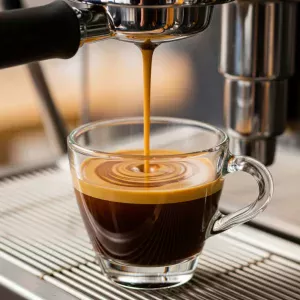
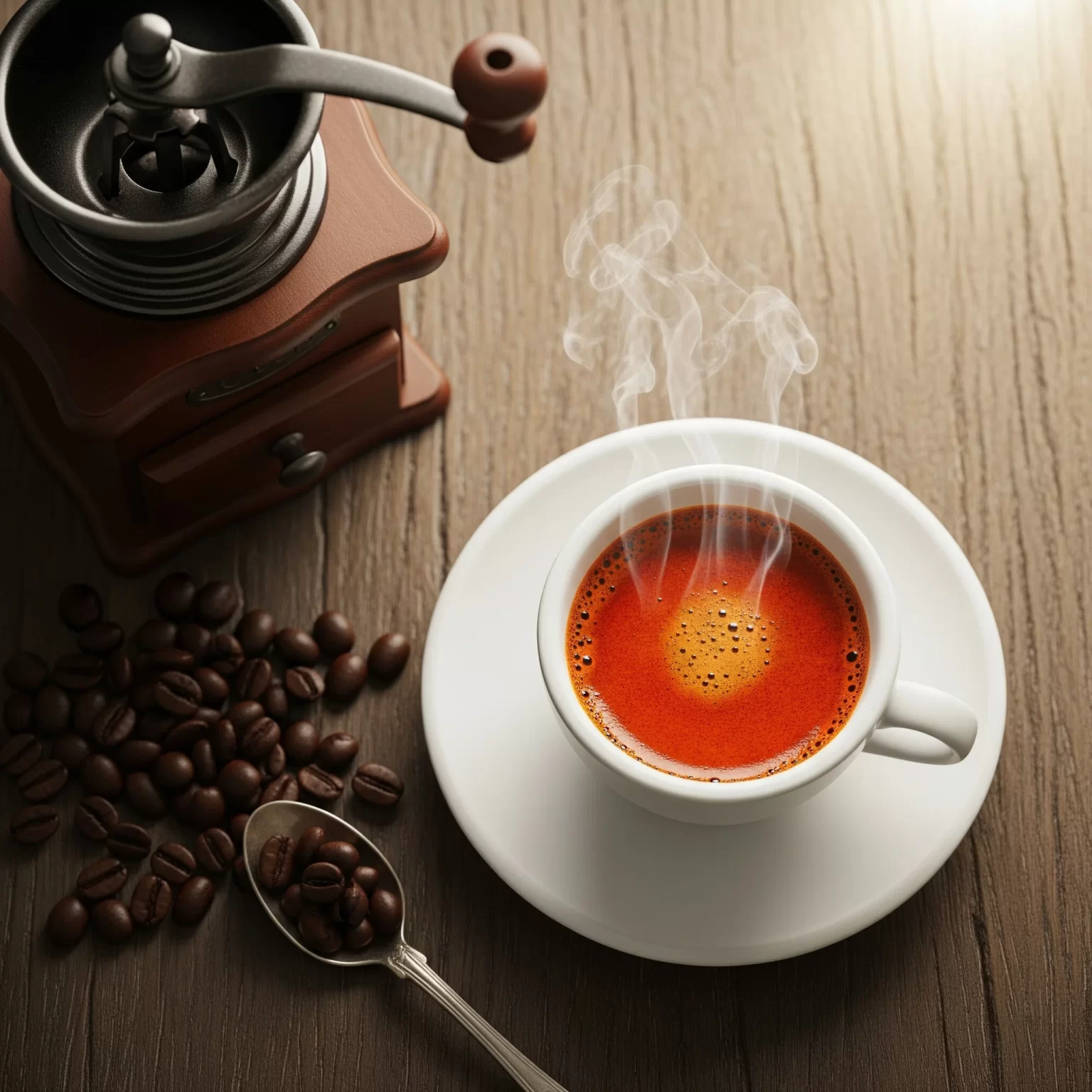
- Extract approximately 30 ml of espresso in 25-30 seconds; the flow should be steady like warm honey, rich in color with a thick caramel crema on top.
- Serve immediately in a pre-warmed demitasse cup to preserve aroma and temperature.
Tips for Success
- Bean Selection: Choose high-quality Arabica beans roasted between medium and medium-dark for balanced acidity and sweetness.
- Grind Consistency: Adjust the grind size incrementally if extraction is too fast or slow; a finer grind slows extraction and vice versa.
- Water Quality: Use filtered water to avoid off-flavors and scale buildup in your equipment.
- Cleaning: Clean your portafilter and basket regularly to maintain pure espresso flavor.
- Practice: Keep experimenting with tamp pressure and extraction time; every machine behaves a bit differently.
Serving Suggestions
Present your espresso with a small glass of sparkling water on the side to cleanse the palate. Garnish with a twist of lemon peel or a light dusting of cocoa powder atop the crema for an elegant finish. Pair with a delicate almond biscotti or a slice of classic Italian panettone for an authentic café experience at home.
| Nutrient | Per Serving (30 ml) |
|---|---|
| Calories | 5 |
| Protein | 0.3 g |
| Carbohydrates | 0.6 g |
| fat | 0.1 g |
For a deeper dive into coffee culture and brewing techniques, explore our Guide to Italian Coffees and Brewing Methods. Discover more about espresso’s enduring legacy on Nespresso’s official history page.
Q&A
Q&A: The Art and Culture behind Italy’s Perfect Espresso Brew
Q: What makes Italy’s espresso so distinct and celebrated worldwide?
A: Italy’s espresso is more than just a coffee-it’s a tradition steeped in artistry, precision, and culture. Its distinctiveness lies in the perfect balance of intense flavor, rich crema, and swift extraction, achieved through time-honored methods and passionate baristas. The espresso serves as a daily ritual, an emblem of Italian social life, weaving together community, craftsmanship, and sensory pleasure in every tiny cup.
Q: How did espresso become such a cornerstone of Italian culture?
A: Espresso’s roots trace back to the early 20th century, but its cultural ascent unfolded post-World War II, as Italy sought comfort in shared experiences and revitalization. Coffee bars blossomed as social hubs where Italians connected over brief but meaningful conversations, fueled by this dark, aromatic elixir. Over time,brewing espresso evolved into an art form,reflecting regional identities and elevating it beyond a mere beverage into a symbol of Italian lifestyle and hospitality.
Q: What are the key elements that contribute to the ‘perfect’ espresso brew?
A: The perfect espresso is a symphony of elements: the right blend of finely ground coffee beans, ideally freshly roasted in specific Italian regions; precise water temperature (around 90-96°C); optimal pressure (usually 9 bars); and a brewing time of 25-30 seconds. The magic culminates in a velvety crema-the golden foam atop the espresso-that hints at its freshness and quality. Every step demands skill and intuition,as even subtle variations can change the cup’s character dramatically.
Q: is there a difference between espresso in Italy and espresso brewed internationally?
A: Absolutely. While espresso machines and beans have traveled globally, the Italian espresso experience remains unique due to cultural nuances and tradition-bound techniques. In Italy,espresso is intentionally consumed quickly,standing at the bar,emphasizing its social function. Abroad, espresso is sometimes diluted or extended (e.g., Americanos) or enjoyed alongside elaborate milk-based drinks. The italian approach prioritizes purity and intensity, a reflection of their deep-rooted coffee philosophy.
Q: How does the espresso ritual influence Italian daily life?
A: Espresso punctuates the Italian day like a ritual heartbeat-from an early morning shot to a swift midday revival and an afternoon pause. Its consumption is rarely rushed; it marks connection points between work, leisure, and community. The coffee bar is a stage where stories unfold, friendships are nurtured, and tradition is honored. This simple act of sipping espresso fosters a collective rythm that enriches Italian society’s cultural fabric.
Q: Can the art of brewing an Italian espresso be learned by enthusiasts worldwide?
A: Definitely! While mastery comes with practice and respect for tradition, coffee aficionados everywhere can cultivate a love for authentic Italian espresso. Investing in quality beans, learning about grind size, mastering extraction time, and understanding the machine’s nuances are essential steps. More importantly, embracing the cultural mindset-appreciating espresso as a moment of pause and connection-transforms brewing from a task into an art.
Q: What role do Italian coffee brands and coffee bars play in preserving this espresso culture?
A: Iconic coffee brands and historic espresso bars are custodians of Italy’s espresso heritage. They act as both innovators and guardians, balancing tradition with modern tastes. Through training baristas, sourcing distinctive beans, and maintaining meticulous brewing standards, they ensure the espresso’s soul remains intact. Visiting these places is akin to stepping into a living museum, where every shot dispenses a story of history, passion, and cultural pride.
Embark on your own espresso journey with gratitude for its rich artistry and the vivid culture it represents-a small cup brimming with centuries of Italian spirit.
in summary
As the final sip of Italy’s perfect espresso lingers on the palate, it becomes clear that this beloved brew is far more than just a morning pick-me-up. It is indeed a harmonious blend of history, craftsmanship, and cultural passion-each cup a small masterpiece shaped by generations of artisans who have perfected the delicate dance between bean, grind, water, and time. To sip Italian espresso is to taste a tradition steeped in ritual and reverence, a liquid ode to the art of living well. So next time you cradle that tiny cup, remember: you’re not just enjoying coffee-you’re partaking in a rich cultural legacy that continues to inspire and delight the world, one perfect shot at a time.