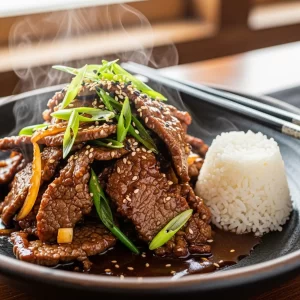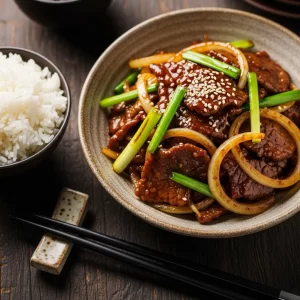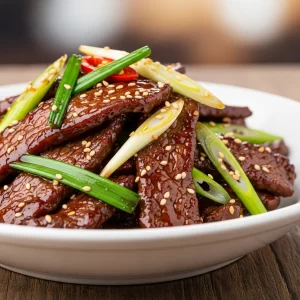

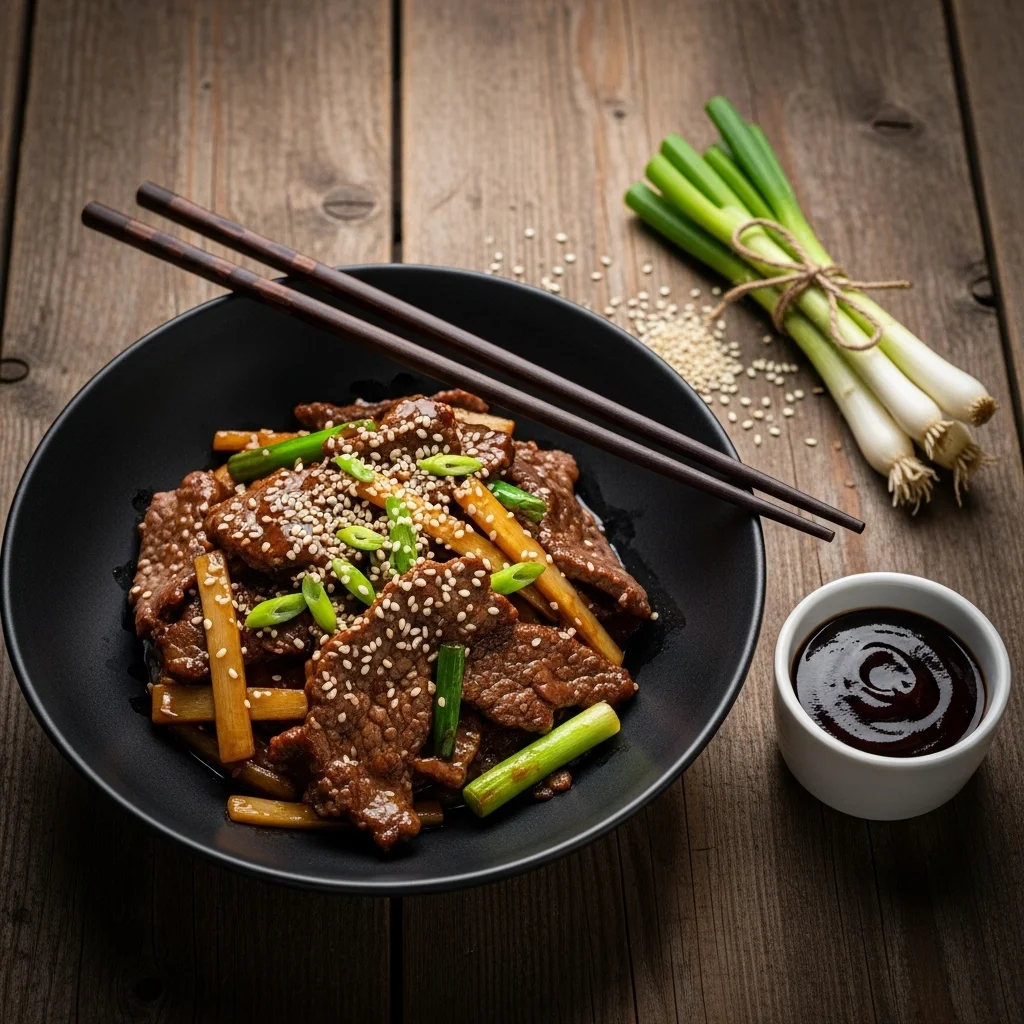
Mongolian Beef is more than just a dish-it’s a flavorful voyage that transports your taste buds straight to the heart of bold, savory indulgence. With its succulent strips of tender beef glazed in a rich, caramelized sauce bursting with garlic, ginger, and a hint of sweetness, this beloved Asian-inspired recipe has captivated food lovers worldwide. But beyond its irresistible taste lies a interesting blend of culinary traditions and innovative twists that make Mongolian Beef a perfect example of cultural fusion on a plate. Join us as we embark on a savory journey through the origins, flavors, and techniques that define this iconic dish, uncovering why it continues to inspire both home cooks and chefs alike.
Origins and Cultural Roots of Mongolian Beef
Mongolian Beef is a dish that dancers gracefully between the worlds of Asian culinary tradition and Western innovation. Though its name suggests a deep connection to Mongolia, this rich, savory dish actually originated in the bustling kitchens of Taiwanese-American Chinese restaurants during the 20th century.It represents a captivating fusion, combining tender strips of beef with a bold, slightly sweet soy-based sauce that captures hearts worldwide.
As a Culinary Content Creator and Food Stylist, I’ve always been fascinated by how Mongolian Beef transcends its origins, offering a delightful experience that bridges cultures. The essence of this dish lies not just in its ingredients but in the harmony of flavors and textures, echoing a story where East meets West.
Prep and Cook Time
- Preparation: 15 minutes
- Marinating Time: 30 minutes
- Cooking Time: 10 minutes
- Total Time: 55 minutes
Yield
Serves 4 hearty portions – perfect for a family meal or intimate dinner.
Difficulty Level
Medium: Ideal for cooks familiar with marinating and stir-frying techniques.
Ingredients
- 1 lb flank steak, thinly sliced against the grain
- 2 tbsp soy sauce (low sodium recommended)
- 1 tbsp hoisin sauce
- 2 tsp cornstarch
- 1 tbsp rice wine or dry sherry
- 1 tbsp brown sugar
- 3 cloves garlic, finely minced
- 1 tsp fresh ginger, grated
- 1/2 cup beef broth
- 2 tbsp vegetable oil (for stir-frying)
- 4 green onions, sliced diagonally
- 1/2 tsp crushed red pepper flakes (optional for heat)
Instructions
- Marinate for maximum flavor: In a mixing bowl, combine soy sauce, hoisin sauce, rice wine, garlic, ginger, and cornstarch.Add the thinly sliced flank steak and toss until well-coated. Refrigerate for at least 30 minutes to tenderize and infuse the beef with flavor.
- Prepare the sauce: In a small bowl, whisk together beef broth, brown sugar, and remaining soy sauce. Set aside.
- Heat the wok or skillet: Add vegetable oil over medium-high heat until shimmering. Carefully add the marinated beef in batches, searing until just browned and slightly crispy at the edges, about 2-3 minutes per batch. Avoid overcrowding – this ensures a tender, caramelized finish.
- Combine and simmer: Return all cooked beef to the wok. Pour the sauce mixture over and toss continuously. Allow the sauce to thicken and glaze the beef, about 3-4 minutes, stirring frequently to prevent sticking.
- Finish with fresh aromatics: Remove from heat and stir in sliced green onions and crushed red pepper flakes if using. The green onions add a burst of color and fresh crunch to contrast the silky sauce.
- Serve instantly: For a stunning presentation, plate Mongolian Beef over steamed jasmine rice or lightly fried rice, garnished with additional green onions or toasted sesame seeds.
Chef’s Notes: Tips for Success
- Choosing the right cut: Flank steak, skirt steak, or sirloin all provide excellent texture and flavor when sliced thinly across the grain.
- Marinating magic: Don’t rush the marinating process-30 minutes or more allows the cornstarch and soy sauce to tenderize the beef properly.
- Control the heat: Use a well-heated wok or cast-iron skillet for the best sear. Stir-frying beef in small batches prevents steaming and ensures caramelization.
- Sauce adjustments: for a richer taste, a drizzle of toasted sesame oil right at the end elevates the dish with subtle nuttiness.
- Make-ahead tip: Beef and marinade can be prepped the day before; store uncovered in the fridge to dry the surface slightly for crispier searing.
Serving Suggestions
Present Mongolian Beef atop a fluffy mound of steamed jasmine rice or a bed of crisp stir-fried vegetables for a balanced plate. Garnish with fresh, vibrant green onions, a sprinkle of toasted sesame seeds, and a wedge of lime for a citrus pop. For an indulgent touch, pair with a light Asian-inspired cucumber salad or chilled sake. This dish truly shines best when served hot and fresh to capture the luscious sheen of the sauce and the tender caramelized beef.
| Nutrient | Per Serving |
|---|---|
| calories | 320 kcal |
| Protein | 28 g |
| Carbohydrates | 15 g |
| Fat | 14 g |
For further exploration of Asian-inspired beef dishes, check our Asian Beef stir-Fry Recipes. To deepen your understanding of traditional Chinese sauces, visit Serious Eats’ detailed guide.
Q&A
Q&A: Mongolian Beef – A Savory Journey Through Bold Flavors
Q1: What makes Mongolian beef so distinct compared to other stir-fry dishes?
A1: Mongolian beef stands out for its harmonious blend of sweet, savory, and slightly smoky flavors. Unlike typical stir-fries that rely heavily on garlic or ginger, Mongolian beef showcases the richness of soy sauce paired with the subtle caramelization of brown sugar, all infused with the tender juiciness of thinly sliced beef. This balance creates a memorable taste symphony that is both comforting and exciting to the palate.
Q2: Where did Mongolian beef originate, and is it truly Mongolian?
A2: despite its name, Mongolian beef isn’t a traditional dish from Mongolia. It actually traces back to Taiwanese-American cuisine in the 20th century. the name likely evokes a sense of boldness and exotic appeal rather than geographical authenticity. Its roots lie in Chinese cooking techniques, particularly stir-frying, adapted to Western tastes with a sweeter, thicker sauce that has as captivated food lovers worldwide.
Q3: What are the key ingredients that define Mongolian beef’s flavor profile?
A3: At its core, Mongolian beef relies on a few simple yet powerful ingredients: thinly sliced flank steak or sirloin, hoisin or soy sauce, brown sugar or molasses, garlic, and green onions. The magic happens when the beef is quickly cooked at high heat, creating a caramelized exterior that locks in flavor, while the sauce glazes the meat with a luscious, savory-sweet coat rich in umami.
Q4: How can home cooks recreate the bold flavors of Mongolian beef?
A4: To capture its essence at home,focus on using high-quality beef sliced thinly across the grain for tenderness. Mastering the stir-fry technique-cooking quickly over high heat-ensures the meat stays juicy and caramelizes beautifully. Building the sauce with soy sauce, brown sugar, fresh garlic, and a splash of water or broth creates the signature glossy finish. don’t forget crisp green onions at the end to add freshness and a punch of color!
Q5: Are there any creative twists to traditional Mongolian beef that elevate the dish?
A5: Absolutely! Home chefs have experimented by adding a hint of heat with chili flakes or Szechuan peppercorns, incorporating hoisin or oyster sauce for deeper complexity, or even swapping beef for alternatives like tofu or chicken for variety. Pairing it with fragrant jasmine rice or crispy noodles turns this dish into a full sensory adventure,inviting bold flavors and textures to the table.
Q6: Why has Mongolian beef remained a favorite in global Chinese-American cuisine?
A6: Mongolian beef’s enduring popularity stems from its perfect balance of familiar and bold flavors. Its sticky-sweet sauce appeals to a wide range of palates, making it both approachable and indulgent. Coupled with tender strips of beef and vibrant scallions, it offers a comforting yet exciting meal that celebrates the art of simple ingredients transformed by skillful cooking – a true savory journey worth savoring again and again.
The Conclusion
As we conclude this flavorful exploration of Mongolian beef, it’s clear that this beloved dish is more than just a meal-it’s a vibrant party of bold, savory flavors that dance on the palate.From tender slices of beef glazed in a harmonious blend of soy, garlic, and ginger to the subtle sweetness that rounds out each bite, Mongolian beef offers a culinary journey steeped in tradition and innovation. Whether enjoyed at a bustling restaurant or crafted lovingly at home, this dish invites you to savor a rich tapestry of tastes that reflect the heart of Mongolian-inspired cooking. So next time you crave something both comforting and adventurous, let Mongolian beef guide your appetite through its flavorful story.