
In the vibrant tapestry of Ghanaian cuisine, one dish stands out both for its rich history adn irresistible taste: Red Red. This colorful bean stew, simmered to perfection with tender black-eyed peas and a medley of spices, offers more than just a meal-it’s a soulful experience that captures the essence of Ghana’s culinary heritage. Join us as we dive into the flavors, traditions, and simple pleasures that make Red Red a beloved comfort food, inviting food lovers everywhere to savor every hearty, aromatic bite.
Savoring Ghanaian Red Red is a appetizing journey into the heart of West African cuisine. this iconic bean stew, steeped in history and culture, brings together a vibrant palette of flavors and textures that reflect Ghana’s rich culinary heritage. Red Red is more than just a meal-it’s a symbol of community, comfort, and party, traditionally prepared across Ghana and loved for its hearty yet simple ingredients.
Origins and Cultural Importance of Ghanaian Red Red
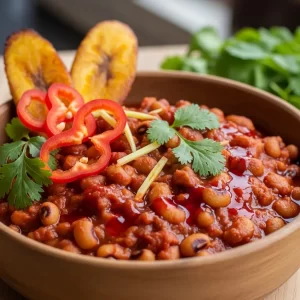
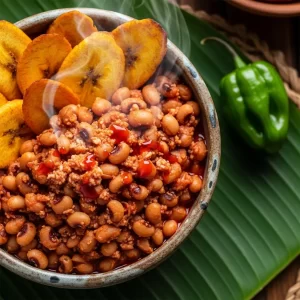
Originating from the coastal regions of Ghana, Red red earned its name from the striking red-orange hue of the stew, achieved through the generous use of palm oil and red kidney beans. Historically, this humble yet nourishing dish was a staple among fishermen and coastal communities, prized for its affordability, sustenance, and ability to feed large families with minimal ingredients. Over generations, Red Red has transcended its humble roots to become a celebrated symbol of Ghanaian identity, commonly served at communal gatherings, festivals, and family dinners.
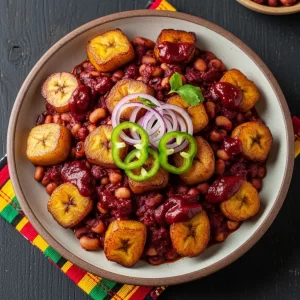
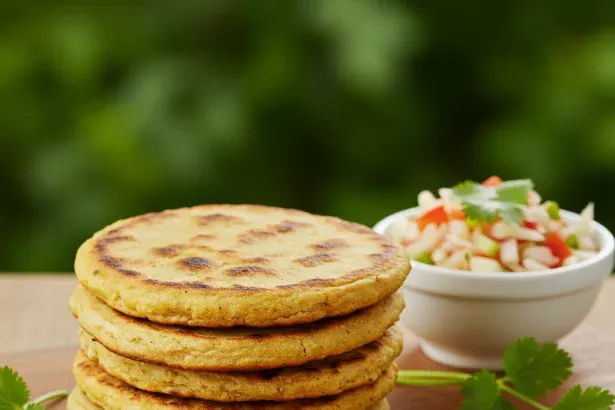
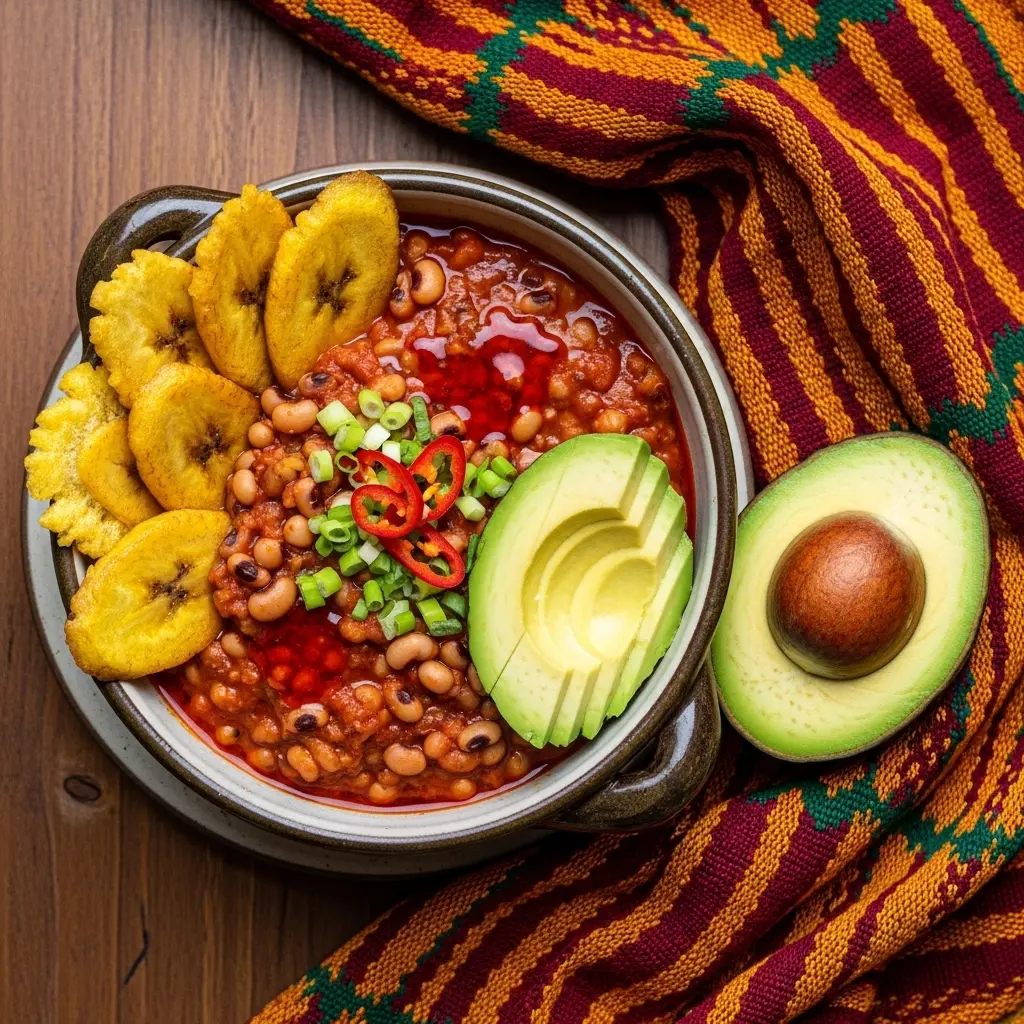
The dish’s cultural significance extends beyond taste-it embodies the principle of “sharing and caring,” frequently enough served alongside fried plantains and garnished with fresh tomato and onion salsa. Each spoonful is an invitation to partake in Ghana’s warmth and hospitality, highlighting how food connects people across generations.
Key Ingredients and Their Unique Flavor Contributions
- Red kidney beans: The heart of the stew, providing a rich, creamy texture once cooked, and a satisfying source of protein.
- Red palm oil: This unrefined oil imparts the characteristic earthy, nutty flavor and vibrant red color that define Red Red’s visual appeal and depth.
- Onions and garlic: Offer a sweet and aromatic base, balancing the richness of the palm oil.
- Tomatoes: Add acidity and slight sweetness, brightening the stew and enhancing its fresh appeal.
- scotch bonnet peppers: Provide a gentle heat with fruity undertones, crucial for authentic Ghanaian spice levels.
- Ginger and smoked fish (optional): Introduce warmth and umami, elevating the stew with complexity and a smoky finish.
- Fresh cilantro or parsley garnish: Add a vibrant contrast and freshness on the palate at serving.
Savoring Ghanaian Red Red: Step by Step Guide to Preparing Authentic Red Red
Achieving the perfect balance of flavors in Red Red is both a science and an art.Follow this step-by-step guide to recreate an authentic bowl of this Ghanaian classic in yoru own kitchen.
Prep and Cook Time
- Preparation: 15 minutes
- Cooking: 1 hour 20 minutes (including soaking beans)
Yield
- Serves 4 generous portions
Difficulty Level
- Medium - requires some time and attention but well worth the effort
Ingredients
- 2 cups dried red kidney beans, soaked overnight and drained
- 1/2 cup red palm oil
- 1 large onion, finely chopped
- 3 cloves garlic, minced
- 2 medium ripe tomatoes, chopped
- 1-2 scotch bonnet peppers, finely chopped (adjust to taste)
- 1 inch fresh ginger, grated
- 1 tsp smoked paprika (optional, for added depth)
- 1 tsp salt (adjust as needed)
- 3 cups water or vegetable broth
- 1 small smoked fish or smoked turkey (optional)
- Fresh cilantro or parsley for garnish
- 2 ripe plantains, peeled and sliced (for serving)
Instructions
- Rinse and boil the beans: Drain the soaked beans, rinse well, then place in a large pot with 3 cups of water. Bring to a boil, reduce heat to a simmer, cover, and cook until tender but not mushy (about 60 minutes). Drain and set aside.
- Prepare the plantains: While beans cook,heat some vegetable oil in a frying pan over medium heat. Fry plantain slices for 2-3 minutes on each side until golden and caramelized. Remove and drain on paper towels.
- sauté aromatics: In a large skillet or pot, heat the red palm oil over medium heat until shimmering but not smoking. Add the onion and sauté for 5 minutes, stirring occasionally, until softened and slightly translucent.
- Add garlic, ginger, and peppers: Stir in the garlic, ginger, and scotch bonnet peppers. Cook for 2-3 minutes, allowing the aromas to bloom.
- Incorporate tomatoes and smoked paprika: Add the chopped tomatoes and smoked paprika. Simmer gently until the tomatoes break down and the mixture thickens, about 7-8 minutes.
- Combine beans with tomato base: add the cooked beans and any remaining cooking liquid to the tomato mixture. Stir well to coat every bean in the vibrant sauce.
- Add smoked fish (optional): Carefully fold in the smoked fish or turkey pieces to infuse subtle smoky notes.Simmer uncovered for 15 minutes, letting the stew thicken and flavors meld.
- Season and adjust: Taste and season with salt. If the stew is too thick,add a little water or broth to reach your desired consistency.
- finish and garnish: Remove from heat. Sprinkle freshly chopped cilantro or parsley over the top to brighten the dish just before serving.
- Serve: Plate the Red Red with golden fried plantains on the side for an authentic touch. Enjoy immediately!
Expert Tips for Elevating Your red Red Experience
- Soaking beans overnight is crucial to reduce cooking time and improve digestibility.
- If pressed for time, canned kidney beans can substitute, but rinse thoroughly to remove excess salt and starch.
- Use freshly harvested red palm oil where possible-it has a richer flavor and a more vibrant color than processed varieties.
- Adjust the heat: Scotch bonnet peppers pack a punch; finely chop and add gradually to meet your heat preference.
- For a vegetarian version, omit smoked fish and substitute vegetable broth for water for added flavor.
- red Red tastes even better the next day after flavors have had time to meld-store in an airtight container in the fridge.
- Presentation matters: Serve in deep bowls with a garnish of fresh herbs and a side of perfectly fried plantains or white rice for contrast.
Serving Suggestions
This colorful and hearty stew is traditionally served alongside fried ripe plantains, whose sweetness complements the savory warmth of the beans. Alternatively, steamed white rice or boiled yams make excellent partners, soaking up the rich, red sauce. Top with freshly chopped onions,tomatoes,and a sprinkle of cilantro to add freshness and contrast. Pair with a crisp green salad or a cool glass of ginger beer for a complete, authentic experience that immerses the senses in Ghanaian culture.
| Nutrient | per Serving (approx.) |
|---|---|
| Calories | 420 kcal |
| Protein | 18 g |
| Carbohydrates | 58 g |
| Fat | 12 g |
Explore more Ghanaian plantain recipes to complement your meal.
Learn about the health benefits of red kidney beans from this reliable study that explores their nutritional advantages.
Q&A
Q&A: Savoring Ghanaian Red Red – A Flavorful Bean Delight
Q1: What exactly is Ghanaian Red Red?
A1: Ghanaian Red Red is a beloved customary dish from Ghana, renowned for its rich, hearty flavors and vibrant colors. At its core, it’s a comforting stew made primarily of black-eyed peas simmered in a tomato-based sauce, infused with palm oil that gives it the distinct reddish hue – hence the name “Red Red.”
Q2: Why is it called “Red Red”?
A2: The name “Red Red” comes from the striking double redness in the dish: the deep red palm oil used in the cooking and the redness of the fried plantains served alongside it. Combined, they create a gorgeous, appetizing palette on the plate that’s as pleasing to the eyes as it is to the palate.
Q3: What makes Red Red so special in Ghanaian cuisine?
A3: Beyond being delicious,Red Red holds cultural significance as a staple for many Ghanaians. It’s an economical yet nutritious meal that’s easy to prepare and enjoyed across all social classes.The dish highlights local ingredients like black-eyed peas, palm oil, and plantains, reflecting Ghana’s agricultural bounty and culinary heritage.
Q4: Can you describe the flavor profile of Red Red?
A4: Red Red offers a symphony of flavors-earthy and creamy black-eyed peas meld with the sweet-savory punch of sautéed onions, garlic, and ginger. The palm oil adds a unique nutty richness, while the fried plantains bring in a caramelized sweetness, creating a perfectly balanced dish that warms the soul.
Q5: Is Red Red typically served with anything else?
A5: Traditionally, Red Red is accompanied by fried plantains, wich complement the savory stew with their sweet crispness. Sometimes, it’s served with white rice or gari (grated cassava flakes) to make the meal even more filling. Adding fresh avocado or sliced onions on the side can elevate the dish further.
Q6: How accessible is Red Red for someone cooking outside Ghana?
A6: Surprisingly accessible! Most ingredients like black-eyed peas, tomatoes, onions, and spices are widely available in international markets. The key is palm oil, which can be found in African or specialty stores. With a bit of patience and love, home cooks anywhere can recreate this authentic Ghanaian delight.
Q7: are there any health benefits to eating Red Red?
A7: Absolutely! Black-eyed peas are packed with fiber, protein, and essential nutrients, making Red Red a nutritious plant-based dish. Palm oil, used in moderation, contains antioxidants like vitamin E.Coupled with the wholesome goodness of plantains, this meal supports a balanced diet.
Q8: Can Red Red be adapted for different dietary preferences?
A8: Definitely! While it’s already vegetarian, Red Red can be made vegan by ensuring the palm oil used is pure and plant-based. Those with dietary restrictions can adjust seasoning or avoid frying plantains if needed. The dish’s flexibility and heartiness make it easy to customize without losing its soul.
Q9: What’s the best occasion to enjoy Red Red?
A9: Whether it’s a casual family dinner, a festive gathering, or a moment of self-care, Red Red shines every time. Its comforting warmth is perfect for rainy days or whenever you crave a taste of home or adventure.Sharing Red Red also offers a delicious way to connect with Ghanaian culture.
Q10: Where can one learn to make authentic Red Red?
A10: Many cookbooks on West African cuisine feature Red Red, but for a truly immersive experience, watching Ghanaian chefs online or attending cooking classes focused on African foods is invaluable.Experimenting in your own kitchen brings the essence of Ghanaian hospitality and tradition right to your table.
Savoring ghanaian Red Red isn’t just about tasting a meal; it’s an invitation to explore the rich tapestry of Ghana’s culinary story, one spoonful at a time.
In Conclusion
As the rich aroma of ghanaian Red Red lingers in the air and the hearty blend of beans,palm oil,and spices dances on your palate,you begin to understand why this humble dish holds a special place in Ghanaian hearts. More than just a meal, Red red is a celebration of culture, history, and community-each spoonful telling a story passed down through generations. Whether enjoyed at a bustling street market or a family gathering,savoring Red Red is an invitation to experience the vibrant flavors and warm spirit of Ghana. So next time you seek comfort and culinary adventure in one bowl, let Red Red be your flavorful guide to the tastes of West Africa.