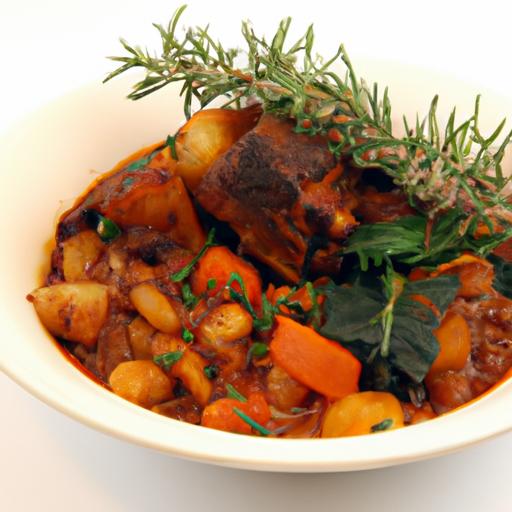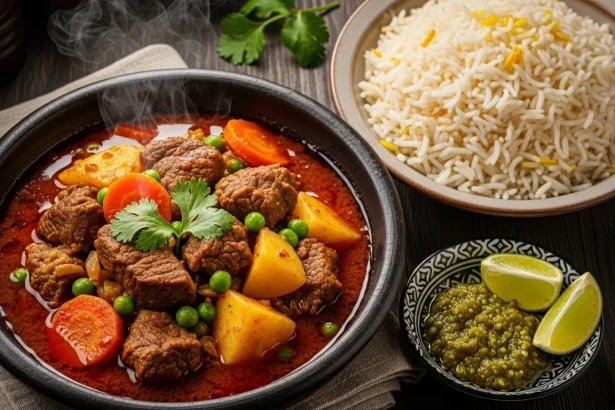

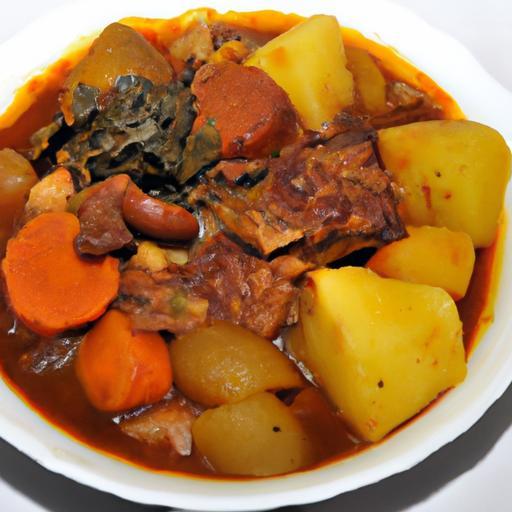
In the heart of South Africa’s vibrant culinary tapestry lies a dish as rich in flavor as it is in history-Potjiekos. Literally meaning ”small pot food,” this conventional stew is more than just a meal; it’s a simmering symphony of culture, community, and patience, all cooked low and slow over an open fire. From the cast-iron cauldrons that cradle tender meats and fresh vegetables to the time-honored rituals that bring families and friends together, potjiekos offers a savory journey into the soul of South African heritage. join us as we uncover the charm behind this beloved stew in a pot, exploring its origins, cooking secrets, and the communal spirit that continues to keep the pot bubbling.
The Origins and Cultural Significance of Potjiekos in South African Heritage
Potjiekos uncovered is a celebration of South Africa’s rich culinary tapestry, grounded in centuries-old traditions shared around the warmth of an open fire. This iconic stew-in-a-pot, slow-cooked in a cast-iron pot called a potjie, brings together communities and flavors in a ritual as much about storytelling as sustenance. Originating with the Afrikaner settlers and influenced by indigenous and migrant cuisines, potjiekos represents a melting pot of heritage, resourcefulness, and convivial outdoor cooking.
Historically,potjiekos was cooked by farmers and travelers who prepared layered ingredients without stirring,allowing each flavor to develop distinctively while melding gently over low heat. This method created a hearty, aromatic meal embodying patience and connection to nature’s rhythms. Today, potjiekos remains a cherished symbol of South African heritage, enjoyed during communal gatherings, celebrations, and family meals that echo generations.
Mastering the Art of Layering Flavors: Ingredients and Techniques for an Authentic Potjiekos
Achieving the perfect potjiekos hinges on mastering its signature layering technique-placing ingredients in a deliberate order to maximize flavor depth and texture harmony.Begin with aromatic fats and spices to infuse the potjie with a fragrant base. Then add sturdy meats like lamb or beef, followed by vegetables that require longer cooking, such as carrots and potatoes. tender vegetables and leafy greens are nestled on top, steaming gently without stirring. This careful layering allows ingredients to simmer and marry slowly, preserving individual textures while producing a luscious, well-rounded stew.
Classically, the potjie excludes heavy liquids to allow the dish’s natural juices and slow heat to create a concentrated taste. Key spices include bay leaves, coriander, and hints of cumin or paprika, depending on regional influence. The secret also lies in the slow, gentle simmer, often over wood or charcoal, which gives potjiekos its unmistakable smoky aroma and tender melt-in-the-mouth finish.
Prep and Cook Time
- Preparation: 20 minutes
- Cooking: 2.5 to 3 hours (slow simmer)
Yield
- 6 to 8 servings
Difficulty Level
- Medium – Requires attention to layering and slow cooking, but highly rewarding
Ingredients
- 2 lbs (900g) lamb shoulder, cut into 2-inch cubes
- 3 tablespoons vegetable oil
- 2 large onions, sliced thinly
- 4 cloves garlic, minced
- 2 medium carrots, peeled and cut into chunks
- 3 medium potatoes, cut into large cubes
- 1 red bell pepper, sliced
- 2 cups chopped tomatoes (fresh or canned)
- 1 cup button mushrooms, halved
- 1 cup green beans, trimmed
- 1 teaspoon ground coriander
- 1 teaspoon smoked paprika
- 2 bay leaves
- Salt and freshly ground black pepper, to taste
- 1 bunch fresh parsley, chopped (for garnish)
Instructions
- Heat the oil in your preheated cast iron potjie over medium heat until shimmering.
- Add sliced onions and minced garlic, sautéing until translucent and fragrant, about 5 minutes, stirring occasionally to prevent sticking.
- layer the lamb cubes> on top of the onions without stirring. Season with salt, pepper, coriander, and smoked paprika to start building flavor.
- Add carrots and potatoes as the next layer-these root vegetables need more cooking time to soften fully.
- Place the tomatoes, red bell pepper, and mushrooms gently over the root vegetables. Ensure you do not stir; layering is crucial for authentic flavor development.
- Top with green beans and the bay leaves for their subtle aroma.
- Cover the potjie with its lid and place it over low heat. let it simmer slowly for 2.5 to 3 hours. Resist the urge to stir; the flavors will meld magically on their own.
- Check occasionally to ensure it is indeed not drying out. If needed, add a splash of water or stock-but avoid excess liquid, which dilutes the signature richness.
- Once cooked, remove the potjie from heat and allow it to rest for 10 minutes before serving.
- Garnish with chopped fresh parsley and serve straight from the pot for an authentic and rustic presentation.
Tips for Success
- Use quality cast iron potjie pots-their thick walls create perfect, even heat distribution.
- Do not stir during cooking. This key technique preserves texture separation and prevents the dish from turning into a mushy stew.
- Experiment with protein. While lamb is classic, beef, chicken, or even venison work beautifully.
- Slow and low heat is essential. Cooking too fast will toughen meat and prevent flavors from melding.
- make ahead tip: Potjiekos tastes even better the next day after flavors have intensified. Reheat gently on low heat.
Serving Suggestions
Serve potjiekos piping hot, straight from the potjie for dramatic flair and comfort. Accompany with traditional South African sides like pap (maize porridge), freshly baked bread, or a chilled cucumber salad for contrast. A sprinkle of fresh herbs and a wedge of lemon add brightness. For a festive touch, set the table outdoors to evoke that communal spirit intrinsic to potjiekos culture.
| Nutrient | Amount per Serving |
|---|---|
| Calories | 380 kcal |
| Protein | 35 g |
| Carbohydrates | 20 g |
| Fat | 18 g |

Discover more about South African flavors in our guide on traditional African spices, or explore the history of outdoor cooking at South Africa Tourism’s cultural kitchen.
Q&A
Q&A: Potjiekos Uncovered – South Africa’s Stew in a Pot Charm
Q1: What is Potjiekos?
A1: Potjiekos, pronounced “poi-kee-kos,” is a traditional South African stew slow-cooked outdoors in a cast-iron pot called a potjie. It’s a culinary ritual where layers of meat, vegetables, and spices meld together over coals, creating a rich, hearty dish that’s as much about community as it is about flavor.
Q2: How did Potjiekos originate?
A2: Potjiekos dates back to the early Dutch settlers in the 17th century who adapted their European stewing methods to the South African landscape. Using the sturdy cast-iron pot, recipes evolved by incorporating indigenous ingredients and local cooking styles, turning it into a beloved symbol of South African heritage.
Q3: What makes potjiekos different from other stews?
A3: Unlike typical stews where ingredients are stirred and boiled together, Potjiekos is built in layers without stirring, allowing each ingredient to retain its distinct texture and flavor while slowly marrying with the others. The slow, open fire cooking imparts a smoky depth that’s hard to replicate indoors.
Q4: What ingredients are commonly used in Potjiekos?
A4: While there’s no fixed recipe, common ingredients include lamb, beef, chicken, or game meats, paired with potatoes, carrots, onions, and seasonal vegetables. Herbs and spices like bay leaves, coriander, and chili bring the pot to life. The magic lies in the balance of fresh, wholesome ingredients and slow cooking time.
Q5: Can Potjiekos be cooked indoors?
A5: Traditionally, Potjiekos is an outdoor experience, cooked over charcoal or wood coals. However,with a good cast-iron pot and patience,it can be adapted for indoor kitchens-using a stovetop or oven. Though it’s tough to capture the authentic smoky undertones, the layered flavors still shine.
Q6: Why is Potjiekos considered more than just food in South Africa?
A6: Potjiekos is a cultural event-it’s about gathering friends and family around the fire, sharing stories, laughter, and time. The slow cooking mirrors the slow bonding that happens at the pot, making it a beloved ceremony of connection and celebration.
Q7: Are there vegetarian versions of Potjiekos?
A7: Absolutely! Vegetarians can enjoy sumptuous Potjiekos by layering hearty vegetables like pumpkin, mushrooms, butternut squash, and legumes, combined with rich spices and herbs. The slow cooking develops deep, comforting flavors that satisfy both vegetarians and meat-eaters alike.
Q8: What tips would you give someone trying Potjiekos for the first time?
A8: Start with good-quality meat and fresh veggies. Remember, no stirring-let the layers do their magic. Manage your heat carefully; slow and steady wins the flavorful race.And most importantly, enjoy the process and the company-it’s as much about the experience as the meal.
Q9: Where can one experience authentic Potjiekos in South Africa?
A9: Many local restaurants and lodges across South Africa celebrate Potjiekos,especially in rural areas and wine regions. Festivals and cultural events frequently enough showcase this stew, offering visitors a tasty taste of South African hospitality.
Potjiekos isn’t just a dish-it’s a simmering pot of history, culture, and community that beckons anyone craving a soulful, slow-cooked adventure. Ready to uncover its charm? Gather your ingredients, light the fire, and let the magic unfold.
In Conclusion
as the final spoonful of potjiekos is savored and the fire’s embers fade, we’re reminded that this humble stew is much more than a meal-it’s a living tradition, a flavorful story simmered through generations. in every bite lies South Africa’s rich tapestry of culture, community, and timeless connection. So whether you’re gathered around a flickering flame or simply curious about the magic bubbling within that cast-iron pot, potjiekos invites you to slow down, share stories, and taste a piece of history that continues to warm hearts and tables alike.