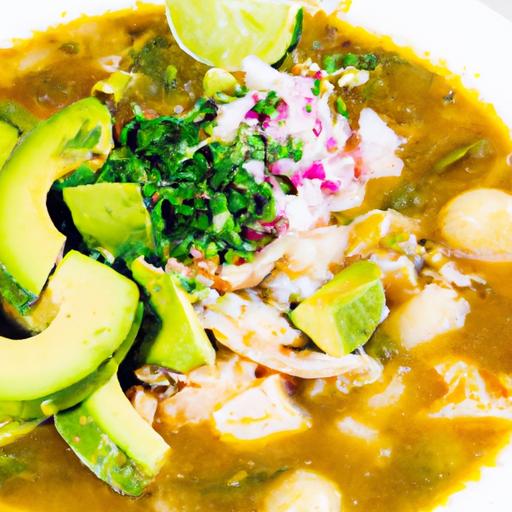

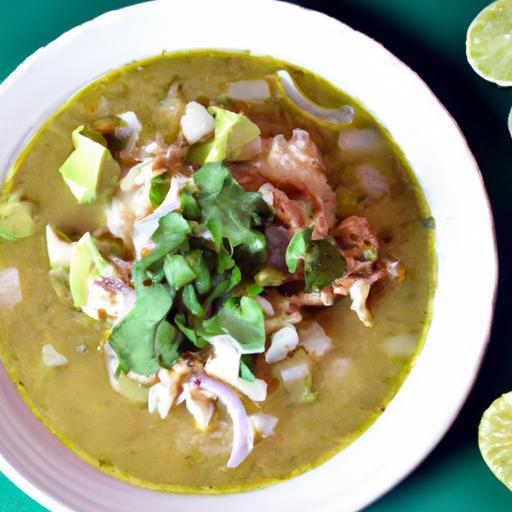
Nestled within the rich culinary tapestry of Mexico lies a dish that bursts with color, flavor, and tradition-Pozole Verde. This vibrant green stew is much more than just a meal; it’s a celebration of heritage, an ode to fresh, local ingredients, and a sensory journey through the heart of Mexican kitchens.From the tender hominy kernels to the lively blend of herbs and chilies that give Pozole Verde its signature hue, each spoonful tells a story of ancestral roots and modern-day savoring.Join us as we dive into the origins, ingredients, and cultural significance of this green delight, uncovering why pozole Verde continues to captivate taste buds and hearts around the world.
Discovering Pozole Verde is like unearthing a vibrant chapter of Mexican culinary heritage-a dish that bursts with fresh, earthy flavors and communal warmth. Rooted deeply in the central regions of Mexico, particularly in states like Guerrero and Michoacán, pozole verde is far more than just a hearty soup; it is indeed a celebration of indigenous ingredients and age-old cooking traditions that connect families across generations. Traditionally served during festive occasions and holidays, this green pozole strikes a balance between zesty tomatillos, aromatic herbs, and tender hominy, delivering a soul-satisfying dish that tells a story with every spoonful.
Key Ingredients That Bring Pozole Verde to Life
at the heart of discovering pozole verde is the appreciation for its fresh, vibrant components. This dish shines because of the bold interplay of specific ingredients that define its distinctive green hue and complex flavors. Here’s what you’ll need:
- Dried Hominy (Maíz para pozole) – The foundation; large, plump kernels that soften into chewy morsels.
- Cooked Pork Shoulder – Tender,savory meat that enriches the broth.
- Tomatillos – Tangy and radiant, these are essential for pozole verde’s signature color and flavor.
- Fresh Cilantro and Epazote – Herbs that impart an unforgettable earthy aroma.
- Green Chiles (such as Jalapeño or Serrano) – Add gentle heat and depth.
- Garlic and White Onion – The classic aromatic base.
- Lime Juice – A finishing touch that lifts the entire bowl.
Freshness is key-the green chiles and herbs must be vibrant, and the pork well-cooked to marry all flavors beautifully.
Prep and Cook Time, Yield, and difficulty
- Prep Time: 30 minutes
- Cook Time: 2 hours
- Total Time: 2 hours 30 minutes
- Yield: Serves 6 hearty portions
- Difficulty Level: Medium - a rewarding project ideal for a weekend meal
Step-by-Step Guide to Preparing Authentic Pozole verde at Home
- Prepare the hominy: Rinse 2 cups of dried hominy under cold water. Soak overnight if needed, then boil in a large pot until kernels burst open and become tender, approximately 1.5 to 2 hours. Skim off any impurities.
- Cook the pork: While the hominy simmers, place 2 lbs of pork shoulder in another pot, cover with water, add 1/2 white onion and 3 garlic cloves, and simmer until tender, about 1.5 hours. Remove pork and shred; reserve broth.
- Create the green sauce: in a blender, combine 1 lb of husked tomatillos, 2-3 green chiles (seeded for mild heat), 1 bunch cilantro, 1/4 cup fresh epazote leaves, 1/2 white onion, and 2 garlic cloves. Add 1 cup of reserved pork broth to blend until smooth.
- Sauté the sauce: Heat 2 tbsp vegetable oil in a deep pot over medium heat. Pour in the blended green sauce and sauté until it thickens slightly and the raw aroma cooks off, about 5 minutes.
- Combine and simmer: Add the cooked hominy and shredded pork to the green sauce. Pour in 3 cups of the reserved pork broth or additional water to adjust consistency. Simmer together for 20-30 minutes so flavors meld.
- Season and finish: Add salt to taste and simmer another 5 minutes. Just before serving, stir in juice from 1 lime for a fresh brightness.
Tips for Success
- Hominy shortcuts: Use canned hominy if time is short-rinse well and simmer briefly with the sauce to infuse flavors.
- herbal balance: If epazote is unavailable, a combination of fresh oregano and extra cilantro can create a similar earthy note.
- Heat adjustments: Control spice levels by removing seeds from chiles or swapping jalapeños for milder poblano peppers.
- Make ahead: Pozole verde tastes even better the next day. Refrigerate leftovers and gently reheat on the stove, adding broth if needed.
- broth clarity: Skim fat and impurities frequently to keep the broth light and clean-tasting.
Pairing Pozole Verde with Customary Sides and Refreshing beverages
To elevate your pozole verde experience, serve it with classic Mexican accompaniments that add texture, crunch, and vibrant contrast. Top your bowl generously with shredded radishes, crisp lettuce or cabbage, diced white onion, and crushed chilitos piquín or cracked black pepper. Fresh avocado slices and a sprinkle of cotija cheese provide creamy richness.
For sides, warm corn tortillas or lightly fried totopos (tortilla chips) are ideal for scooping. To wash it all down, traditional drinks like cold agua fresca de jamaica (hibiscus tea) or a tangy lime agua fresca provide refreshing balance. For a spirited choice, a chilled glass of 100% agave tequila complements the green herbaceousness wonderfully.
Nutritional Information Per Serving
| Calories | Protein | Carbs | Fat |
|---|---|---|---|
| 420 kcal | 35 g | 40 g | 10 g |
For more classic Mexican comforting dishes, explore our guide on Chicken Tinga, a smoky shredded chicken stew bursting with flavor.

Q&A
Q&A: Discovering Pozole Verde – Mexico’s Vibrant Green Delight
Q: What exactly is Pozole Verde?
A: pozole Verde is a traditional Mexican soup that dazzles the senses with its bright green color and layered flavors. Unlike its more famous red counterpart, this pozole uses green ingredients like tomatillos, jalapeños, cilantro, and sometimes pumpkin seeds to create a fresh, zesty broth that celebrates the vibrant heart of Mexican cuisine.
Q: Where dose Pozole Verde originate from?
A: Pozole itself dates back to pre-hispanic times, but Pozole Verde is particularly popular in regions like Guerrero and parts of central Mexico. Each region adds its own flair, but the hallmark remains: a rich, verdant broth bursting with earthy, herbal notes.
Q: What are the main ingredients that give Pozole Verde its distinctive color and flavor?
A: The vibrant green hue comes from ingredients like tomatillos, green chilies (such as jalapeño or serrano), fresh cilantro, pumpkin seeds, and sometimes epazote. These elements are blended into a smooth sauce that infuses the stew with brightness and depth.
Q: How is Pozole Verde traditionally prepared?
A: First, hominy (large kernels of corn treated with lime) is simmered until tender. Separately, the green sauce is made by roasting or boiling tomatillos, chilies, and herbs before blending them into a vibrant puree.this sauce is then poured over the meat and hominy, simmered together to create a fragrant, comforting bowl of pozole.Q: What types of meat are commonly used in Pozole Verde?
A: Pork is the classic choice, lending a rich and hearty foundation. However, chicken is also popular for a lighter version. Sometimes, regional recipes call for a mix of meats or even seafood, embracing local flavors and preferences.
Q: How is Pozole Verde served and garnished?
A: This dish is a celebration of textures and colors. It’s usually topped with shredded cabbage or lettuce, radishes, diced onion, lime wedges, and sometimes avocado slices. A sprinkle of oregano or crushed chili adds an extra kick, while tostadas or warm corn tortillas complete the experience.
Q: Why is Pozole Verde considered a cultural symbol in mexico?
A: Pozole Verde isn’t just food; it’s a festive tradition.Often enjoyed during celebrations like Mexican independence Day or Christmas, it reflects Mexico’s rich history, blending indigenous ingredients with colonial influences. Sharing a steaming bowl is a way of honoring heritage, family, and the joy of communal meals.Q: Can I make Pozole Verde at home even if I’m new to Mexican cooking?
A: Absolutely! While it might seem complex, many recipes are approachable and rewarding. With a good quality hominy, fresh herbs, and a blender to whip up the green sauce, anyone can bring this lively dish to their table. Plus, the process invites creativity-adjust the heat, experiment with garnishes, and savor the adventure.
Q: What makes Pozole Verde stand out among other mexican soups?
A: Its unmistakable green color symbolizes freshness and vitality, setting it apart visually and flavor-wise. Pozole Verde balances bold spice with herbal brightness, creating a harmony that’s both comforting and invigorating-a delightful twist on a beloved classic.
Whether you’re a food adventurer or a traditionalist, Pozole Verde offers a taste of Mexico’s bold, lovely culinary spirit.Ready your ladle and dive into this green feast!
Insights and Conclusions
as the steam rises from a bowl of pozole verde, so too does the vibrant spirit of Mexico’s culinary heritage. This emerald-hued stew,brimming with tender hominy,succulent meats,and fresh herbs,is more than just a dish-it’s a celebration of culture,tradition,and the bold flavors that define a nation. Whether enjoyed in a bustling market or recreated in your own kitchen, pozole verde invites you to savor a taste of Mexico’s heart and soul, one spoonful at a time. So next time you crave something both comforting and invigorating, let pozole verde transport you to the vibrant streets and warm kitchens of Mexico, where every bite tells a story.