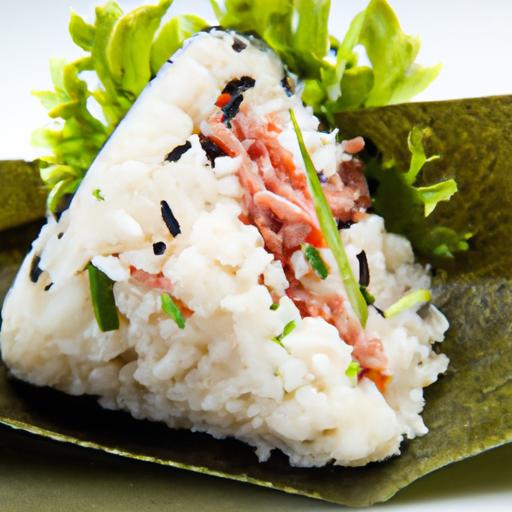

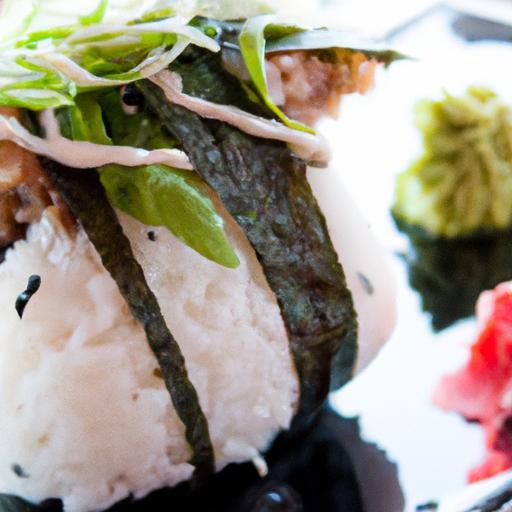
in the bustling streets of tokyo and the tranquil countryside of Japan alike, a humble yet iconic culinary symbol quietly holds a special place in the hearts-and hands-of many: the onigiri. Frequently enough overlooked by travelers in favor of sushi or ramen, this simple rice triangle wrapped in nori seaweed carries centuries of history, culture, and comfort within its neatly folded edges. ”Onigiri Unwrapped: Japan’s iconic Rice Triangle Tradition” invites you to explore the captivating story behind this beloved snack, from its ancient origins as a practical meal for warriors, to its evolution as a beloved staple found in convenience stores and home kitchens today.Join us as we peel back the layers of onigiri, revealing how this modest triangle continues to shape Japan’s culinary landscape-and why it remains a timeless symbol of nourishment and nostalgia.
Onigiri unwrapped: Japan’s Iconic Rice Triangle Tradition
Onigiri unwrapped reveals a deep cultural heritage and an enduring love for simplicity and comfort in Japanese cuisine.This humble rice triangle-found in convenience stores, festivals, and home kitchens across Japan-encapsulates centuries of culinary tradition, regional pride, and practical ingenuity. From its origins as a portable, nourishing meal for travelers and warriors to the diverse fillings that celebrate local ingredients, onigiri invites both novice and seasoned cooks to master the art of perfectly shaped and flavored rice balls.
Prep and Cook Time
- Planning: 20 minutes
- Cooking: 30 minutes (including rice cooking time)
- Total: 50 minutes
Yield
Makes 8 medium-sized onigiri
Difficulty Level
Easy to Medium
Ingredients
- 2 cups Japanese short-grain rice, rinsed and soaked for 30 minutes
- 2 1/4 cups water for cooking rice
- 1 tsp salt, plus extra for seasoning
- 1 sheet nori (seaweed), cut into 8 strips
- 1/2 cup cooked salmon flakes (or preferred filling such as umeboshi, kombu, or tuna mayo)
- 1 tbsp toasted sesame seeds (optional)
- Soy sauce or miso paste (for marinating fillings, optional)
- Plastic wrap (for shaping, optional)
Instructions
- Cook the rice: Drain the soaked rice and place it in a rice cooker or saucepan with 2 1/4 cups water. Cook according to your rice cooker’s instructions or simmer on low heat for 15-20 minutes until tender. Let rest covered for 10 minutes.
- Prepare fillings: While the rice cooks, flake cooked salmon or prepare your choice of customary fillings.Season fillings lightly with salt or a splash of soy sauce for added depth.
- Season the rice: Transfer the cooked rice to a large bowl. Sprinkle with 1 tsp salt and gently mix with a rice paddle or wooden spoon. Keep hands moist to prevent sticking.
- Shape the onigiri: Wet your hands lightly and take a handful (~1/3 cup) of rice. Flatten slightly in your palm, place a small spoonful of filling in the centre, then mold the rice around it into a firm triangle or oval shape. For ease, wrap hands in plastic wrap and shape gently.
- Add nori wrapping: Wrap a strip of nori around the base or side of each onigiri. This not only enhances flavour with a subtle umami crunch but also acts as a handle.
- Optional garnish: Sprinkle toasted sesame seeds on the surface or brush lightly with soy sauce for a savory glaze.
- Serve immediately or store: Onigiri is best enjoyed fresh but can be wrapped in cling film and refrigerated for up to 24 hours. To serve cold or at room temperature for picnics or lunch boxes.
Chef’s Notes
- Rice choice matters: Japanese short-grain rice is essential for sticky texture. Avoid long-grain to achieve authenticity.
- Variations: Experiment with fillings such as spicy cod roe (mentaiko), takana pickles, or wrapped grilled meat for regional flair.
- Shaping tips: Don’t over-compress the rice; a gentle but firm squeeze will keep the onigiri soft and tender without falling apart.
- Make ahead: Prepare onigiri the night before and store in the fridge. Allow to reach room temperature before eating or warm briefly in the microwave covered with a damp towel.
Serving Suggestions
Present your onigiri on a bamboo or wooden tray alongside sides like pickled vegetables, miso soup, and a cup of green tea for a fulfilling meal. Garnish with extra nori strips, finely chopped scallions, or sesame seeds to add color and texture. Pair with a light dipping sauce such as ponzu or tamari soy sauce to enhance the complex flavors of the rice and filling.

The Origins and Cultural Journey of Onigiri
Tracing back over a thousand years, onigiri was originally crafted as a portable sustenance for travelers and samurai, often wrapped in bamboo leaves to preserve freshness. As time passed, it transcended social classes to become everyday comfort food, enjoyed in homes and gatherings nationwide. Each region of Japan proudly infuses its onigiri with local specialties-such as hokkaido’s salmon and Impression seafood, or Kansai’s pickled plum-to reflect historical availability and tastes.
Traditional Fillings and Regional Variations
While the classic umeboshi (pickled plum) filling remains an iconic favorite, Japan’s diverse culinary landscape is beautifully mirrored in the variations of onigiri. For example:
- Kyoto: Uses bold miso and kombu (kelp) for a delicate umami punch.
- Hokkaido: Rich salmon flakes and ikura (salmon roe) shine, celebrating the northern harvest.
- Okinawa: Incorporates pork or spicy seasonings, reflecting the island’s robust flavors.
Best Places to Savor Authentic Onigiri Across Japan
From bustling Tokyo convenience stores to quaint roadside shops in rural Japan, onigiri is everywhere yet never mundane. Seek out specialty onigiri vendors like “Onigiri Bongo” in Tokyo, renowned for their extensive filling selection and perfectly textured rice. The Nishiki Market in Kyoto offers uniquely flavored, freshly made onigiri alongside its culinary treasures. Visitors to japan should not miss an afternoon picnic with onigiri in a serene garden, savoring this timeless snack in its cultural heartland.
| Nutritional Info (per onigiri) | Calories | Protein | carbs | Fat |
|---|---|---|---|---|
| Classic Salmon Filling | 180 kcal | 7 g | 36 g | 1.5 g |
| Umeboshi Filling | 150 kcal | 4 g | 34 g | 0.5 g |
Discover more inspiring Japanese recipes by visiting our Japanese Snacks Guide. For an authoritative history on rice dishes and onigiri’s cultural role, explore the insights shared by Japan Guide.
Q&A
Q&A: Onigiri Unwrapped – Japan’s Iconic Rice Triangle Tradition
Q1: What exactly is onigiri,and why does it hold such a special place in Japanese culture?
A1: Onigiri,frequently enough called Japan’s rice triangle,is a humble yet beloved snack made from shaped white rice,usually wrapped with a strip of nori (seaweed). More than just a portable meal, onigiri embodies centuries of history, convenience, and comfort food culture.It’s the edible equivalent of a warm hug-simple, satisfying, and universally cherished across generations.
Q2: Why is onigiri shaped into a triangle? Is there any cultural or practical reason?
A2: The triangular shape is practical and symbolic. Triangles fit comfortably in the hand, making the onigiri easy to eat on the go.Legend has it the triangle can symbolize a mountain, representing strength and protection, or the shape of a guardian’s shelter. Practically, the shape also traps fillings in the center, balancing flavor in every bite.
Q3: What are the most traditional fillings found inside onigiri?
A3: Classic fillings include salted salmon (sake), pickled plum (umeboshi), and tuna mixed with mayonnaise. These ingredients aren’t random-they’re chosen for their preservation qualities and bursts of flavor. Umeboshi, such as, is tart and salty and was historically used to keep rice fresh during long journeys.
Q4: How does onigiri differ from sushi? They both use rice and seaweed,right?
A4: True,but onigiri and sushi have distinct identities. Sushi is an art form that often features vinegared rice paired with raw fish or seafood, emphasizing freshness and presentation. Onigiri, on the other hand, is all about simplicity, portability, and heartiness. It’s homey rather than haute cuisine, designed to be a quick, nutritious bite any time of day.Q5: Has onigiri evolved over the years? Are there modern twists on this classic snack?
A5: Absolutely! Today, onigiri comes in countless creative variations-from spicy kimchi fillings to gourmet options featuring truffle oil or cheese.Convenience stores across Japan stock onigiri with everything from teriyaki chicken to curry. Fusion flavors meet health trends, making this ancient food continually relevant and exciting.
Q6: Can onigiri be considered a symbol of Japanese identity?
A6: Without a doubt. Onigiri represents more than just food; it’s a cultural icon. It reflects Japanese values like simplicity, respect for ingredients, and the art of craftsmanship in even the smallest details. Sharing onigiri can signify care and connection-mothers pack them for schoolchildren, friends bring them on picnics. It’s food that unites and tells a story.
Q7: How can someone outside Japan experience authentic onigiri?
A7: While nothing quite beats buying freshly made onigiri from a Japanese convenience store, home cooks worldwide can embrace this tradition easily. All you need is fluffy short-grain rice, your favorite filling, and a little seaweed wrap. The magic lies in the hands that shape it.Try experimenting with classic fillings or invent your own-onigiri welcomes creativity!
Q8: What’s the best way to enjoy onigiri? Any etiquette or tips?
A8: Onigiri is meant to be eaten leisurely but practically-perfect for picnics,hikes,or a quick lunch break. It’s polite to unwrap just before eating to keep the seaweed crisp. Bite into the corner for the best taste balance. And most importantly-savor not only the flavors, but the cultural heritage folded into each rice triangle.
Unwrapping onigiri is like peeling back layers of Japan’s culinary soul-simple in form,rich in tradition,and endlessly inviting. Whether you munch it roadside or craft it lovingly at home,this rice triangle offers a tasty bite of history and heart.
to sum up
As the final grain settles and the seaweed wraps snugly around this humble triangle, Onigiri reveals itself as more than just a simple snack-it is a vibrant thread woven through Japan’s culinary and cultural fabric. From ancient times to modern lunchboxes, this portable emblem carries with it stories of comfort, innovation, and tradition in every bite. Whether savored on bustling city streets or quiet countryside paths, Onigiri remains a flavorful reminder that sometimes, the simplest shapes hold the richest heritage. So next time you unwrap this iconic rice triangle, take a moment to appreciate the timeless craft and cultural heartbeat it represents-a true taste of Japan’s enduring spirit.