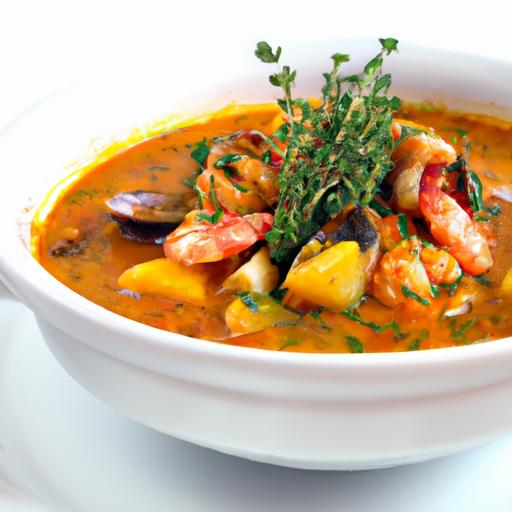

nestled along the sun-drenched shores of the French Riviera, Provence is a region where history mingles with the sea breeze, and culinary traditions run as deep as the azure waves. Among its many gastronomic treasures, one dish stands supreme-a hearty, aromatic stew that tells the story of fishermen, markets, and Mediterranean bounty: bouillabaisse. more than just a meal, bouillabaisse is a vibrant expression of Provençal culture, an artful blend of the freshest local fish, fragrant herbs, and rich broth that has simmered through centuries. In this exploration,we peel back the layers of this iconic stew,delving into its origins,ingredients,and the meticulous craft that transforms simple ocean fare into a symphony of flavors. Welcome to “Bouillabaisse Unveiled: The Art of Provence’s Signature Stew.”
origins and Traditions Behind Bouillabaisse in Provence
Bouillabaisse unveiled reveals more than a stew; it is a vibrant tapestry woven from the history and coastal culture of Provence. This iconic dish originated in the bustling port city of Marseille, where fishermen once combined their less marketable catch into a hearty, aromatic dinner. Traditionally a humble fisherman’s fare, bouillabaisse evolved into a culinary symbol of Provence, celebrated for its depth of flavor and rustic elegance.
The magic of bouillabaisse lies in its storytelling-a dish that speaks of salty sea breezes, sun-drenched markets, and convivial gatherings around a steaming pot. Passed down through generations, the stew embodies Provençal values: simplicity, seasonality, and abundance. Its ritual of peeling shellfish,dipping in fiery rouille,and savoring freshly baked crusty bread brings both comfort and celebration to the table.
Selecting the Finest Fresh Seafood for an Authentic Bouillabaisse
At the heart of an unforgettable bouillabaisse unveiled is the meticulous selection of fresh, local seafood that captures the essence of the mediterranean. Look for firm, fragrant fish like rascasse (scorpionfish), sea robin, and conger eel, which provide the robust flavors traditional to this stew. Complement these with mussels,clams,and shrimps for layers of taste and texture.
When shopping, prioritize freshness above all: bright, clear eyes on the fish, moist but not slimy skin, and a fresh ocean scent.Buying seafood early on the day of cooking ensures your bouillabaisse is bursting with natural salinity and umami, honoring Provence’s deep connection to the sea.
Mastering the broth: A Symphony of Flavors and Aromatics
Creating the broth is where Bouillabaisse truly comes to life-this is a harmonious marriage of sweet fennel, pungent garlic, sun-ripened tomatoes, and the subtle heat of saffron threads. Begin by gently simmering fish bones with aromatic vegetables and herbs such as thyme, bay leaf, and orange zest, coaxing out every bit of flavor without bitterness.
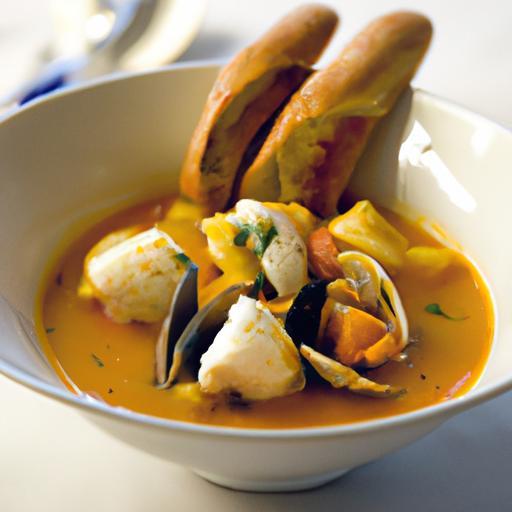
The slow, deliberate cooking process marries these ingredients into a golden-orange elixir that is both fragrant and deeply savory. Spoon this broth over your seafood just before serving to best capture the stew’s signature essence. Each sip and bite celebrates Provence’s natural bounty, making the broth as memorable as the seafood itself.
Serving Suggestions and Perfect Wine Pairings for Bouillabaisse
Serving bouillabaisse unveiled calls for simplicity that lets each flavor shine. Ladle the stew generously into wide bowls, ensuring a lovely mix of seafood and broth. Accompany with thick slices of toasted baguette slathered with rouille-a garlicky, saffron mayonnaise-adding creamy spice and crunch to every mouthful.
For wine, nothing complements Provence’s signature stew better than a chilled glass of Bandol Rosé or a dry white from Cassis. These wines,with their crisp acidity and hints of minerality,reflect the coastal terroir and refresh the palate,balancing the stew’s rich depth.
Enhance your presentation with a sprinkle of fresh parsley or fennel fronds to add a pop of green and herbal freshness that contrasts beautifully with the stew’s warm tones.
Prep and Cook Time
- Readiness: 30 minutes
- Cooking: 1 hour 30 minutes
- Total: 2 hours
Yield
Serves 6 generously
difficulty Level
medium – perfect for home cooks eager to explore traditional French seafood cuisine
Ingredients
- 2 lbs whole firm white fish for broth (rascasse, sea robin, or similar)
- 1 lb mixed fish fillets (cod, monkfish, red mullet)
- 12 mussels, cleaned
- 12 clams, cleaned
- 8 large shrimp, peeled and deveined
- 2 large ripe tomatoes, peeled and chopped
- 1 large onion, finely chopped
- 2 garlic cloves, minced
- 1 fennel bulb, thinly sliced
- 1 leek, white part only, sliced
- 1 tsp saffron threads
- 2 tbsp olive oil
- 6 cups fish stock or water
- 1 tsp orange zest (optional)
- 1 bay leaf
- 2 sprigs thyme
- Salt and freshly ground pepper to taste
- Fresh flat-leaf parsley for garnish
- Rouille sauce and crusty baguette, to serve
Instructions
- Prepare the broth: In a large pot, heat olive oil and sauté onion, leek, fennel, and garlic over medium heat until soft and translucent, about 7 minutes.
- Add tomatoes: Stir in chopped tomatoes and cook for an additional 5 minutes until they begin to break down.
- Infuse aromatics: Add saffron threads, orange zest, bay leaf, and thyme to the pot. Pour in fish stock and bring the mixture to a gentle simmer.
- Add fish bones: Add the whole fish reserved for broth, breaking into pieces if needed. simmer gently for 45 minutes to extract maximum flavor.Skim any foam or impurities regularly.
- Strain broth: Remove bones and aromatics by straining the broth through a fine sieve into another pot. Discard solids and adjust seasoning with salt and pepper.
- Cook seafood: Bring the broth back to a gentle boil and add firm fish fillets, shrimp, clams, and mussels. Cook until fish is opaque and shellfish open, about 8-10 minutes.
- Serve: Ladle seafood and broth into bowls. Garnish with fresh parsley and serve immediately with rouille and toasted baguette slices.
Chef’s Notes
- For authentic flavor, seek out local Mediterranean fish varieties or ask your fishmonger for recommendations.
- Make-ahead tip: Prepare the broth a day in advance to allow the flavors to meld beautifully; reheat gently when ready to add seafood.
- Variation: Substitute saffron with paprika or turmeric if unavailable, though the classic yellow hue and aroma will be less pronounced.
- Rouille option: For a lighter touch, try a lemon aioli or a parsley-garlic vinaigrette served alongside.
Serving Suggestions and perfect Wine Pairings for Bouillabaisse
This hearty stew is best enjoyed alongside traditional garnishes that heighten its coastal charm. Serve bowls steaming hot, with hearty portions of fish interspersed with shellfish. A dollop of vibrant rouille,dipped fresh baguette slices,and a wedge of lemon are essential accoutrements.
For an elegant pairing, offer a crisp Bandol Rosé or a mineral-driven white from Cassis. These wines reflect Provence’s terroir wonderfully and cut through bouillabaisse’s richness with finesse.
| Nutrient | Per Serving | % Daily Value* |
|---|---|---|
| Calories | 350 kcal | 18% |
| Protein | 45 g | 90% |
| Carbohydrates | 10 g | 3% |
| Fat | 12 g | 18% |
| *Percent daily values are based on a 2,000 calorie diet. | ||

for more inspiration on French coastal dishes, explore our [Provençal seafood recipes collection](https://yourwebsite.com/provencal-seafood-recipes).
Q&A
Q&A: Bouillabaisse Unveiled – The Art of Provence’s Signature Stew
Q1: What exactly is bouillabaisse?
A1: Bouillabaisse is a traditional Provençal fish stew originating from the port city of Marseille, France.It’s a fragrant, slow-simmered concoction that melds the bounty of the mediterranean sea with aromatic herbs, garlic, saffron, and ripe tomatoes, creating a culinary masterpiece that’s both rustic and refined.
Q2: Where dose the name “bouillabaisse” come from?
A2: The word “bouillabaisse” derives from the Provençal words “bolhir” (to boil) and “abaissar” (to reduce heat). This perfectly describes the cooking technique-first boiling the broth vigorously,then gently simmering it to draw out layers of flavor.
Q3: What makes bouillabaisse different from other seafood stews?
A3: What sets bouillabaisse apart is its unique combination of ingredients and the ritualistic way it’s prepared and served. Unlike simpler seafood soups, bouillabaisse uses a diverse mix of freshly caught fish-often those less desirable for sale-and shellfish, infused with saffron and flavored with Provençal herbs. The broth is served separately from the fish,typically accompanied by rouille (a garlicky,spicy mayonnaise) and toasted bread.
Q4: Is there a “secret” fish variety that must be used?
A4: Tradition holds that bouillabaisse must include at least three kinds of fish, usually firm, fleshy Mediterranean varieties such as rascasse (rockfish), conger eel, and john Dory. these fish contribute the stew’s complex texture and robust flavor. Locals often swear by the use of “ugly” fish-sometimes called the fishermen’s “trash fish”-which yield the richest broth.
Q5: How is bouillabaisse traditionally served?
A5: The classic Provençal custom separates the serving into two parts. First, the broth is ladled into bowls, accompanied by slices of toasted bread slathered in rouille. Then, the tender cooked fish and shellfish are presented on a separate platter. This ritual honors both the stew’s flavors and its cultural roots.
Q6: Can bouillabaisse be made at home by the average cook?
A6: Absolutely! While authentic bouillabaisse requires quality fresh seafood and patience, home cooks can recreate its magic by sourcing a variety of firm white fish and shellfish, investing in saffron, and carefully layering flavors.It’s a lovely project that rewards with a vibrant taste of Provence right on your table.
Q7: Why has bouillabaisse remained so iconic in French cuisine?
A7: Beyond its appetizing combination of flavors, bouillabaisse embodies the spirit of Provence-it tells a story of fishermen, sun-dappled Mediterranean shores, local herbs, and shared meals. It represents simplicity elevated by tradition, a timeless dish that connects generations through taste and memory.
Q8: What wine pairs best with bouillabaisse?
A8: A crisp, aromatic white from Provence, such as a dry rosé or a mineral-driven white like cassis or Bandol, complements the stew’s seafood richness and vibrant spices. The wine’s acidity balances the broth’s complexity,enhancing the overall dining experience.
Q9: Are there any modern twists to bouillabaisse?
A9: Chefs today sometimes reinterpret bouillabaisse with creative ingredient swaps or plating styles-think bouillabaisse ravioli,bouillabaisse foam,or incorporating locally sourced fish outside the Mediterranean scope. Yet, even these innovations pay homage to the stew’s essence: celebrating fresh seafood and the flavors of Provence.
Q10: What’s the best way to truly appreciate bouillabaisse?
A10: Visit Marseille or the surrounding Provence region to savor bouillabaisse where it was born. Enjoy it leisurely, sharing with friends or family, savoring each spoonful of broth, each bite of fish, and the lively conversations stirred by this iconic stew.It’s more than a meal-it’s a vibrant slice of Provençal culture.
Concluding remarks
As the last spoonful of bouillabaisse lingers on the palate, it becomes clear that this iconic provençal stew is far more than a meal-it is indeed a symphony of tradition, culture, and coastal bounty. From the sun-dappled shores of Marseille to your kitchen table, bouillabaisse carries the stories of fishermen, the vibrancy of local markets, and the artistry of generations who have perfected this timeless dish. Unveiling its layers reveals not just flavors but a way of life, inviting you to savor Provence’s spirit in every rich, aromatic bite. Whether you’re a seasoned gourmand or an eager culinary explorer, embracing bouillabaisse is stepping into a heritage as deep and nuanced as the Mediterranean itself.