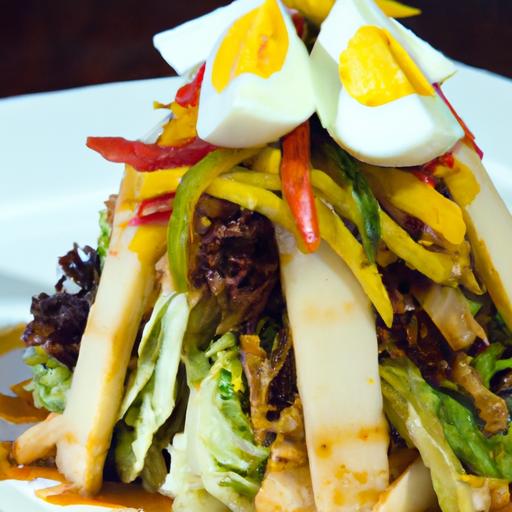

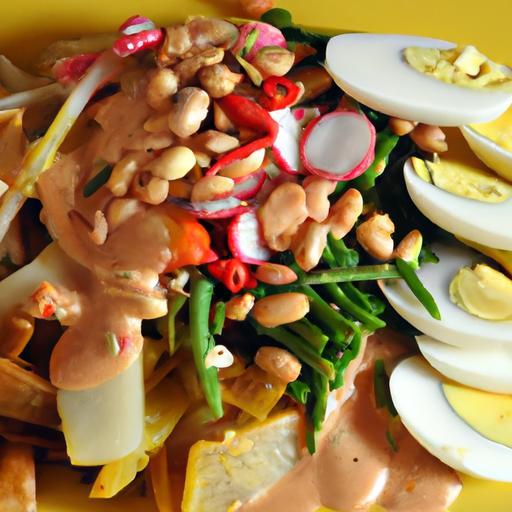
Luminous,vibrant,and bursting wiht an unexpected harmony of flavors,Gado Gado stands as a culinary emblem of Indonesia’s rich cultural tapestry. More than just a salad, this colorful medley of fresh vegetables, boiled eggs, tofu, tempeh, and lontong (rice cakes) is drenched in a luscious, creamy peanut sauce that tantalizes the taste buds with its perfect balance of sweet, salty, spicy, and tangy notes. Each bite offers a symphony of textures-from crunchy cucumber to tender potatoes-that celebrate the diversity and ingenuity of Indonesian cuisine. in this article, we’ll dive into the origins, ingredients, and cultural meaning of Gado Gado, exploring why this humble dish has captured the hearts and palates of food lovers across the globe.
Gado Gado: Indonesia’s Colorful Salad of Flavors and Texture
Gado Gado is a vibrant Indonesian salad that bursts with contrasting flavors and textures,making it a beloved dish across the archipelago.This fresh yet hearty combination features an array of steamed and raw vegetables, complemented by a rich, creamy peanut sauce that ties everything together. As a Culinary Content Creator and Food stylist, I cherish how this dish captures both tradition and versatility, inviting you to explore its cultural roots and master its savory elements with confidence.
Origins and Cultural Significance of Gado Gado in Indonesian Cuisine
Emerging as a humble street food in Jakarta, Gado Gado symbolizes Indonesian culinary diversity and resourcefulness. The name “Gado Gado” roughly translates to “mix-mix,” highlighting the dish’s eclectic nature. It reflects an inclusive approach to eating, combining fresh produce like boiled potatoes and blanched greens with crunchy tempeh and hard-boiled eggs. This salad is more than just a meal-it’s a representation of balance,harmony,and communal dining that resonates deeply in Indonesian culture,often enjoyed during festive occasions or simply as a wholesome everyday treat.
Exploring the vibrant Ingredients That Make Gado Gado a Sensory Delight
What makes gado Gado remarkable is the vivid variety of ingredients that offer a delightful journey for the senses. Crisp cucumber slices, tender bean sprouts, firm boiled potatoes, and crunchy fried shallots create an orchestra of textures. the vegetables are often lightly cooked to preserve their natural colors and subtle flavors-this freshness contrasts beautifully with the earthy, nutty peanut sauce. Adding fried tofu or tempeh boosts protein and adds a satisfying chew, while boiled eggs bring richness. Each bite combines colors and tastes-sweet, salty, spicy, and tangy-in perfect harmony.
Mastering the Art of Peanut Sauce for Authentic Gado Gado Flavor
Crafting the ideal peanut sauce is key to unlocking Gado Gado’s authentic flavor profile. Using fresh roasted peanuts ground to a creamy but slightly textured consistency, combined with palm sugar, tamarind paste, kaffir lime leaves, and a hint of chili, creates a sauce that’s rich, balanced, and irresistibly savory. The secret lies in layering flavors while maintaining a smooth, pourable texture. Adding warm water gradually helps achieve just the right consistency-thick enough to coat veggies yet light enough to dribble enticingly over each component. A splash of soy sauce adds depth, while fresh lime juice brightens the sauce, giving it its characteristic lively finish.
Tips for Serving Gado Gado with Perfect Texture and Presentation
Presentation is where visual appeal elevates Gado Gado beyond a simple salad to an artful dish. Arrange the vibrant vegetables and proteins in neat, colorful segments radiating from the plate’s center, then generously drizzle the peanut sauce over the top. Garnish with fried shallots, freshly chopped coriander, and crisp prawn crackers for an added crunch.Serve promptly to enjoy the contrasting textures-velvety sauce,tender vegetables,and crispy toppings-at their freshest. Accompany with steamed rice or lontong (compressed rice cake) for a complete Indonesian experience.
Prep and Cook Time
- Preparation: 25 minutes
- Cooking: 20 minutes
- Total Time: 45 minutes
Yield
Serves 4 generous portions
Difficulty Level
Medium – Requires balancing several components and preparing sauce from scratch
Ingredients
- For the Salad:
- 200g green beans, trimmed and blanched
- 2 medium potatoes, boiled and cubed
- 100g bean sprouts, rinsed and blanched
- 1 cucumber, peeled and sliced thinly
- 2 hard-boiled eggs, halved
- 150g firm tofu, fried until golden
- 100g tempeh, sliced and fried
- Handful of fried shallots for garnish
- Prawn crackers (optional, for serving)
- For the Peanut Sauce:
- 1 cup roasted peanuts, finely ground
- 2 cloves garlic, minced
- 2 red chilies, deseeded and chopped (adjust to taste)
- 1 tbsp palm sugar (or brown sugar)
- 1 tbsp tamarind paste
- 1 tbsp kecap manis (Indonesian sweet soy sauce)
- Juice of 1 lime
- ½ tsp salt
- 200 ml warm water (adjust for consistency)
- 2 kaffir lime leaves, bruised (optional)
Instructions
- Prepare the vegetables: Blanch green beans and bean sprouts in boiling water for 2-3 minutes each. Refresh in cold water immediately to keep them crisp and vibrant. Boil potatoes until tender but firm, then cube.
- Fry tofu and tempeh: Slice tofu and tempeh into bite-sized pieces and pan-fry in hot oil until golden and crispy. Set aside on paper towels to drain excess oil.
- Make peanut sauce: in a food processor or mortar and pestle, combine peanuts, garlic, and chilies.Gradually add palm sugar, tamarind paste, kaffir lime leaves, and kecap manis. Pour in warm water little by little, blending until smooth but slightly textured. Adjust salt and lime juice to balance sweetness and acidity.
- Assemble the salad: On a large plate,arrange blanched and fresh vegetables,tofu,tempeh,and egg halves in colorful sections. Ensure a mix of shapes and colors to create visual interest.
- Pour peanut sauce: drizzle the sauce generously over the salad just before serving. Garnish with fried shallots and fresh coriander leaves for added aroma and crunch.
- Serve immediately alongside prawn crackers or steamed rice for a filling meal.
Chef’s Notes & Tips for Success
- For a smokier depth, lightly roast the peanuts yourself before grinding.
- Adjust chili quantity to your preferred heat level; removing seeds reduces spiciness considerably.
- Replace tamarind paste with a squeeze of fresh lime and a touch of vinegar if unavailable.
- Make the peanut sauce ahead and refrigerate; bring to room temperature before serving for best flavor.
- adding sliced boiled carrots or cabbage can increase textural variety.
- For vegan variation, omit eggs and use soy sauce rather of kecap manis if unavailable.
Serving Suggestions
Present Gado Gado on a flat platter to showcase its colorful arrangement. Serve with lime wedges and sambal oelek for extra zest and heat. Complement with jasmine rice or Indonesian lontong to soak up the luscious peanut sauce and round out the meal.
| Nutrient | Per Serving |
|---|---|
| Calories | 420 kcal |
| Protein | 18 g |
| Carbohydrates | 35 g |
| Fat | 22 g |
Discover more Indonesian favorites here and deepen your culinary journey. For a detailed history and cultural background on peanut sauce, visit Britannica’s Indonesian cuisine overview.

Q&A
Q&A: Gado Gado – Indonesia’s Colorful Salad of Flavors and Texture
Q1: What exactly is Gado Gado?
A1: Gado Gado is an iconic Indonesian salad that’s a vibrant mosaic of fresh and cooked vegetables, boiled eggs, tofu, tempeh, and sometimes lontong (rice cakes), all lovingly coated in a rich, creamy peanut sauce. It’s a harmony of flavors and textures-crisp, soft, spicy, sweet, and nutty-making every bite a celebration of Indonesian culinary artistry.
Q2: How did Gado Gado get its name?
A2: The name “Gado Gado” loosely translates to “mix-mix” or “to mix,” highlighting the dish’s signature blend of diverse ingredients tossed together. Just like the name suggests, it’s a appetizing melange where nothing is strictly measured, and creativity reigns supreme.
Q3: What are the key ingredients that make Gado Gado so special?
A3: At the heart of Gado Gado is its peanut dressing-ground roasted peanuts mingled with garlic, chili, tamarind, palm sugar, and a splash of lime or vinegar for tanginess. The salad itself typically features steamed or blanched vegetables like cabbage, spinach, bean sprouts, and long beans, complemented by boiled potatoes, eggs, fried tofu or tempeh, and occasionally fried crackers for crunch.
Q4: How does Gado Gado reflect Indonesian culture?
A4: Gado Gado embodies Indonesia’s rich diversity and communal spirit. Like the archipelago’s many islands and cultures coming together, the dish unites an array of ingredients from land and sea, customary spices, and simple cooking techniques into a single harmonious experience. It’s not just food-it’s a cultural mosaic on a plate.
Q5: Can Gado Gado be customized?
A5: Absolutely! Gado Gado is wonderfully flexible.Vendors and home cooks alike tweak ingredients and sauce proportions to their liking-more spice, extra crunch, or added protein. Whether you’re vegan, vegetarian, or a carnivore, Gado Gado adapts beautifully while keeping its soul intact.
Q6: How is Gado Gado traditionally served?
A6: Traditionally, Gado Gado is served at room temperature or slightly warm, piled high on a plate or banana leaf, with the peanut sauce generously drizzled on top.It’s often accompanied by krupuk (indonesian crackers) to add a contrasting crunch, and sometimes a wedge of lime for an extra zing.
Q7: why should travelers try Gado Gado when visiting Indonesia?
A7: Sampling Gado Gado is like tasting the essence of Indonesia.It’s a window into the country’s vibrant markets, colorful produce, and complex flavor combinations that tell stories of centuries-old traditions.Plus, it’s a refreshing, wholesome treat that nourishes both body and soul-truly a must-try culinary adventure!
Gado Gado isn’t just a salad; it’s a lively celebration of taste, texture, and culture, inviting everyone to mix, match, and savor the flavors of Indonesia in every delightful forkful.
To Conclude
From the vibrant medley of fresh vegetables to the rich, nutty embrace of peanut sauce, Gado Gado is more than just a salad-it’s a celebration of Indonesia’s diverse culinary heritage on a single plate. Each bite tells a story of tradition, community, and the harmonious balance of flavors and textures that make this dish truly unforgettable. Whether you’re a seasoned foodie or a curious traveler, diving into gado Gado offers a delicious gateway to the heart of Indonesian culture. So next time you crave something both colorful and comforting, let Gado Gado be your edible invitation to explore the archipelago’s irresistible palate.