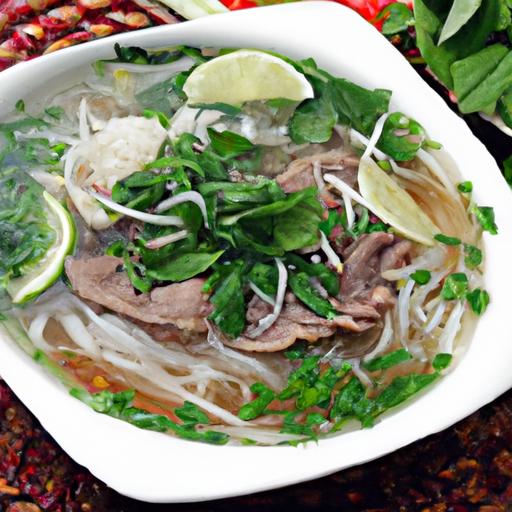
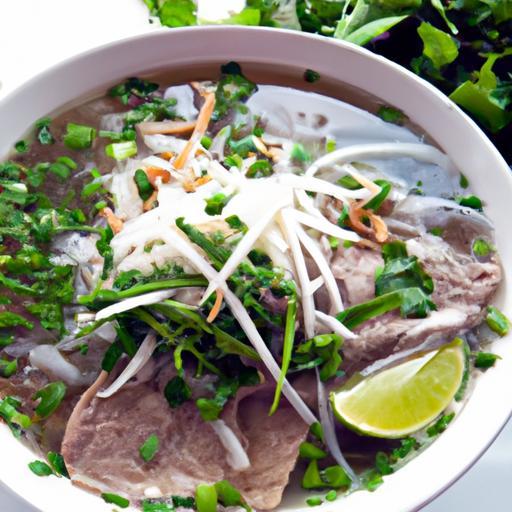
In the bustling streets of Vietnam, where the hum of everyday life intertwines with the rich aroma of spices and simmering broths, pho stands as more than just a dish-it is a timeless emblem of cultural heritage. “Pho Unveiled: The Soulful Taste of Vietnamese tradition” invites you on a flavorful journey into the heart of Vietnam’s most iconic culinary treasure. Beyond its delicate rice noodles and fragrant broth lies a story steeped in history, family rituals, and a deep connection to the land. This article uncovers the secrets simmering beneath the surface of each bowl, revealing how pho transcends mere sustenance to become a soulful celebration of Vietnamese identity.
The Origins and Cultural Meaning of Pho in Vietnamese Heritage
Pho unveiled reveals more than a hearty bowl of noodles; it tells the story of vietnam’s resilience and unity. Born in northern Vietnam in the early 20th century, pho evolved as a humble street food that harmonized French culinary influences with local tastes, becoming a cherished symbol of vietnamese identity. Traditionally enjoyed at dawn or dusk, pho is more than nourishment-it’s an experience woven into daily life, family gatherings, and cultural ceremonies.
Every steaming bowl speaks of history and heritage, nurturing a connection between past and present, rural villages and bustling cities. The artistry of crafting pho broth and the ritual of assembling fresh herbs and meats honor traditions passed down through generations.
Prep and Cook Time
- Readiness: 30 minutes
- Cooking: 6 hours
- Total Time: 6 hours 30 minutes
Yield
Serves 6 generous bowls
Difficulty Level
Medium – Requires patience and attention to detail
Essential Ingredients and Customary Herbs That Define Pho
- Beef bones: 4 pounds (preferably marrow and knuckle bones)
- Beef brisket: 1 pound, whole piece
- Yellow onion: 1 large, halved and charred
- Ginger: 4-inch piece, halved and charred
- Cinnamon sticks: 2 whole sticks
- Star anise: 5 whole pods
- Cloves: 4 whole cloves
- Coriander seeds: 1 tablespoon
- Cardamom pods: 2 whole pods
- Fish sauce: 1/4 cup, for seasoning
- Rock sugar: 1 tablespoon (or substitute with granulated sugar)
- Salt: to taste
- Rice noodles (banh pho): 1 pound, flat and medium-width
- Thinly sliced raw beef eye round: 1/2 pound
- Fresh herbs: thai basil, cilantro, culantro
- Bean sprouts: 2 cups, rinsed
- lime wedges: for serving
- Thinly sliced green onions: 1/2 cup
- Thinly sliced white onion: 1/4 cup
- Hoisin sauce and Sriracha: optional, for dipping
Crafting the Perfect Broth: A symphony of Flavors and Aromas
- Prepare bones: Soak beef bones in cold water for 1 hour to remove blood, then blanch in boiling water for 10 minutes. Drain and rinse thoroughly to ensure crystal-clear broth.
- Char aromatics: Place halved onion and ginger directly on an open flame or broiler until blackened and fragrant, about 5-7 minutes. This adds a deep, smoky layer.
- Toast spices: In a dry skillet over medium heat, toast cinnamon, star anise, cloves, coriander seeds, and cardamom until aromatic, approximately 2-3 minutes-stir constantly to prevent burning.
- Simmer broth: In a large stockpot, add bones, brisket, charred aromatics, toasted spices (wrapped in a cheesecloth bundle for easy removal), and 5 quarts of filtered water. Bring to a boil, then reduce to a gentle simmer. Skim impurities regularly for 2 hours.
- Add seasoning: Stir in fish sauce, rock sugar, and salt after the initial simmer. Continue to simmer on low heat for an additional 4 hours, maintaining a barely-there simmer for best clarity and richness.
- Strain the broth: Remove brisket to cool, strain broth through a fine sieve lined with cheesecloth into a clean pot. Slice cooled brisket thinly against the grain for serving.
- Prepare noodles: Soak rice noodles in warm water until pliable, then blanch briefly in boiling water just before serving.
Instructions for Assembly and Serving
- Divide cooked rice noodles evenly among serving bowls.
- Arrange thin slices of cooked brisket and raw eye round beef over noodles.
- Ladle boiling hot broth over the beef to gently cook the raw slices and warm the bowl.
- Top with sliced onions and green onions.
- Serve immediately with plates of fresh herbs,bean sprouts,lime wedges,hoisin sauce,and Sriracha on the side for diners to customize their bowls.
Chef’s Notes: Tips for Success
- Use fresh, high-quality beef bones for a clear and flavorful broth. Marrow bones add richness while knuckle bones provide gelatin for body.
- Slow and low simmering is the secret to extracting deep flavor without cloudiness.
- Don’t rush the charring process for aromatics-it’s essential for that signature smoky undertone.
- Make broth a day ahead and refrigerate so fat solidifies on top; skim for even clearer broth.
- Experiment with garnishes: Culantro adds a unique earthy brightness, and lime juice lifts the entire bowl.
- Vegetarian variation: Use a rich vegetable broth with charred onions and ginger, substituting mushrooms for umami depth.
- Properly hydrate rice noodles just before serving to avoid gummy texture.
Savoring Pho like a Local: Tips for Authentic Dining Experiences
Savor each bite slowly-allowing the interplay of fragrant herbs, tender beef, and savory broth to unfold on your palate. Vietnamese locals often add fresh Thai basil, cilantro, and bean sprouts directly into the bowl or beside it, adjusting lime and chili according to taste. Don’t hesitate to dip your meat into hoisin or Sriracha for additional layers of flavor.
Enjoy pho with friends or family around a bustling table, pairing it with a side of jasmine tea or iced Vietnamese coffee for a rich cultural immersion. Eating pho is as much about connection and ritual as it is indeed about taste, inviting you to pause, breathe, and relish tradition infused with soulful warmth.

| Nutrient | Per Serving (1 bowl) |
|---|---|
| Calories | 430 |
| Protein | 35g |
| Carbohydrates | 40g |
| Fat | 12g |
For further exploration of Vietnamese culinary traditions, discover our Vietnamese Herbal cuisines guide and deepen your thankfulness for the vibrant flavors of Southeast Asia. To learn about the health benefits of traditional herbs used in pho, visit ScienceDaily’s report on Vietnamese herbs.
Q&A
Q&A: Pho Unveiled – The Soulful taste of Vietnamese Tradition
Q1: What exactly is Pho, and why is it considered the soul of Vietnamese cuisine?
A1: Pho is more than just a noodle soup; it’s a fragrant symphony of rich broth, tender noodles, fresh herbs, and thinly sliced meat. Rooted deeply in Vietnam’s history, Pho embodies the country’s spirit-simple yet profound, humble yet deeply flavorful. It tells a story of cultural fusion, resilience, and the Vietnamese way of life, offering comfort and connection in every steaming bowl.
Q2: How did Pho originate, and what makes its history special?
A2: Pho’s story began in Northern Vietnam in the early 20th century, influenced by French colonial culinary practices and Chinese cooking techniques.The marriage of these cultures birthed a dish that quickly became a national treasure. What makes Pho’s history special is its journey through Vietnam’s upheavals-war,migration,and modernization-yet it has remained a beloved symbol of home and tradition.
Q3: What are the essential ingredients that give Pho its unique flavor?
A3: At the heart of Pho lies its broth-slow-simmered for hours with beef bones, charred onions, ginger, and an aromatic bouquet of star anise, cinnamon, cloves, and cardamom. This fragrant foundation is paired with silky rice noodles, thinly sliced beef or chicken, and fresh garnishes like Thai basil, cilantro, lime, bean sprouts, and chili.Each element plays a crucial role, weaving a balance of savory, sweet, and spicy notes.
Q4: How does Pho reflect Vietnamese culture and values?
A4: Pho reflects Vietnam’s reverence for harmony and balance-not just in flavor but in life. The communal way of gathering around a hot bowl of Pho fosters connection and hospitality. Its preparation is an art that honors patience and respect for quality ingredients. Pho is a daily ritual for many Vietnamese people, symbolizing warmth, nourishment, and a sense of belonging.
Q5: Are there different regional variations of Pho in Vietnam?
A5: Absolutely. Northern Pho, especially from Hanoi, tends to have a clearer, lighter broth with minimal herbs, focusing on pure, subtle flavors. Southern Pho, from Saigon, bursts with boldness-sweeter broth, a generous array of herbs, and accompaniments like hoisin and sriracha. Each variation reflects the local palate and surroundings, showcasing Pho’s versatility across Vietnam.
Q6: How has Pho evolved internationally,and why has it captured hearts worldwide?
A6: Pho’s global journey began with Vietnamese immigrants sharing their culinary heritage. Internationally, it has thrived due to its comforting nature and adaptable profile. Chefs experiment with proteins, broths, and toppings, yet the soul of Pho remains intact. Its widespread appeal lies in its perfect balance of flavors and the comforting ritual of slurping noodles-a worldwide language of nourishment and joy.
Q7: What’s the best way for newcomers to experience Pho authentically?
A7: To savor Pho authentically, start with a classic beef Pho Tai (rare beef) or Pho Ga (chicken), appreciating the delicate broth and fresh ingredients before adding any condiments. Visit a Vietnamese eatery where broth is simmered daily, and take your time-Pho is a dish to be savored leisurely. Don’t shy away from learning the customary garnishes-it’s part of the joyful and creative dining experience.
Q8: In what ways does Pho continue to inspire culinary innovation?
A8: Pho inspires chefs to experiment with plant-based broths, fusion flavors, and contemporary presentations without losing its essence. It encourages a celebration of heritage through innovation-turning a humble street food into gourmet creations. Pho’s enduring legacy lies in its openness to adaptation while staying true to its soul, inviting every generation to partake in its flavorful story.
Key Takeaways
As the steam rises from a carefully crafted bowl of pho, it carries with it more than just aromatic herbs and savory broth-it carries the essence of Vietnamese heritage, history, and heart. Pho is more than a dish; it’s a living tradition, a flavorful narrative told spoonful by spoonful. Whether savored on bustling street corners or in quiet family kitchens, its soulful taste invites us all to experience a story centuries in the making. So next time you lift your chopsticks to a bowl of pho, remember-you’re not just tasting a meal, you’re savoring a vibrant slice of Vietnam’s cultural soul.