
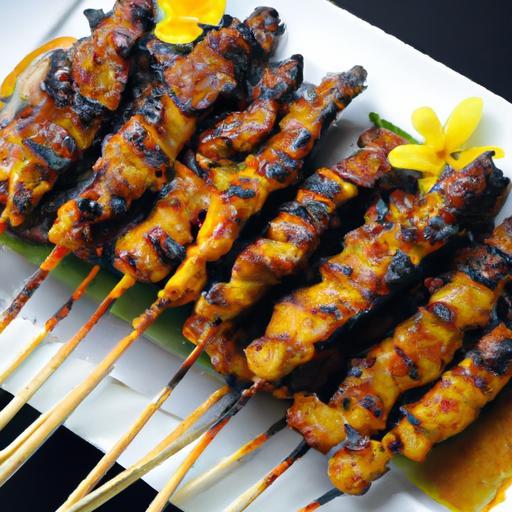
ThereS something irresistibly captivating about the sizzle of meat grilling over open flames, the aroma weaving through the air, drawing hungry souls closer with every waft. In Malaysia, this sensory symphony finds its perfect expression in satay-a humble yet iconic dish of skewered, marinated meat that tells a story far richer than its simple ingredients suggest. “Malaysian Satay: A Savory Journey Through Skewered Delight” invites you to explore the heart of a culinary tradition where fragrant spices dance harmoniously with smoky char, and every bite offers a glimpse into the vibrant tapestry of Malaysia’s cultural heritage. Join us as we unravel the flavors, techniques, and history behind this beloved street food that continues to captivate palates around the world.
Malaysian Satay: A Savory Journey Through Skewered Delight
Malaysian Satay infuses vibrant spices, smoky grills, and tender skewers, creating an iconic dish that sings with history and flavor. Originating from the rich tapestry of Malay culture,this street food favorite has evolved into a national treasure cherished across Southeast Asia. Every bite is an homage to generations of culinary mastery, where the perfect balance of marinated meat, aromatic herbs, and traditional peanut sauce tells a story as bold as its aroma.
Prep and Cook Time
- Preparation: 30 minutes
- Marinating: At least 4 hours (preferably overnight)
- Cooking: 15 minutes
- Total Time: Approximately 5 hours
Yield
Serves 4 to 6 hungry guests
Difficulty Level
Medium – Requires some prep but rewarding for both beginners and seasoned cooks
Ingredients
- 500g chicken thigh, boneless and skinless, cut into bite-sized cubes
- 2 tablespoons kecap manis (sweet soy sauce)
- 2 tablespoons vegetable oil
- 1 tablespoon turmeric powder
- 1 teaspoon ground coriander
- 4 cloves garlic, finely minced
- 1 tablespoon brown sugar
- 1 tablespoon grated fresh ginger
- 1 stalk lemongrass, white part only, finely chopped
- 1 teaspoon salt
- 20-25 bamboo skewers, soaked in water for 30 minutes
- Fresh cucumber slices and white onions, for serving
- Peanut sauce (see below for pairing)
Instructions
- Prepare the marinade: In a mixing bowl, combine turmeric powder, ground coriander, garlic, grated ginger, brown sugar, kecap manis, vegetable oil, finely chopped lemongrass, and salt. Whisk until fully emulsified.
- Marinate the chicken: Add the chicken cubes into the marinade and toss gently to coat every piece evenly. cover and refrigerate for a minimum of 4 hours, preferably overnight for enhanced flavor infusion.
- Skewer the meat: Thread the marinated chicken onto the pre-soaked bamboo skewers, about 4-5 pieces per skewer, ensuring they’re snug but not overcrowded to allow even heat distribution.
- Preheat your grill or charbroiler: Medium-high heat is essential. if using charcoal, wait until the coals are glowing and covered in white ash for authentic smokiness.
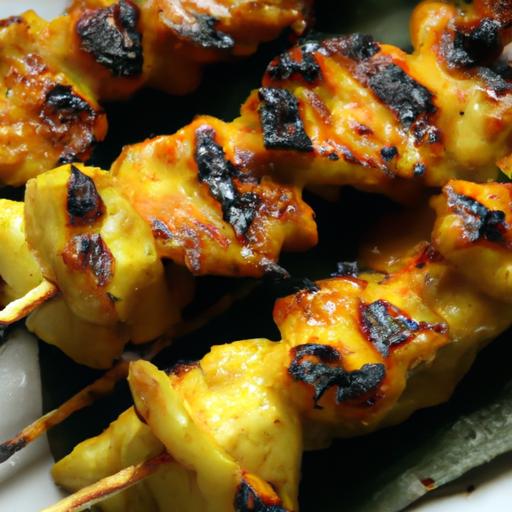
- Grill the satay: Place the skewers over the heat, grilling for about 7 minutes on each side.Baste occasionally with leftover marinade or a little oil to keep the meat juicy. Look for a beautiful caramelized crust and a subtle char.
- rest and serve: Remove the satay from the grill and let it rest for 5 minutes. This helps the juices redistribute for tender bites.
chef’s Notes: Tips for Success
- For an earthier flavor, substitute chicken thigh with beef or lamb-adjust marinating time accordingly (6-8 hours recommended for beef).
- Soaking skewers in water prevents them from burning during grilling-don’t skip this step!
- If you don’t have access to a grill, a broiler or grill pan works well; just remember to watch closely for flare-ups.
- Marinate overnight for the richest depth of flavor-a key to authentic Malaysian Satay.
- Make the peanut sauce a day ahead; its flavors blossom with time,aligning perfectly with the satay’s smoky notes.
Serving Suggestions
Present your skewered delights on a banana leaf-lined platter for an authentic touch. Serve alongside crunchy fresh cucumber slices and thinly sliced white onions to balance the rich marinade. Generous dollops of the fragrant peanut sauce-sweet, tangy, and laced with subtle chili heat-complete the ensemble. Pair with warm nasi lemak coconut rice or simple steamed jasmine rice for hearty satisfaction.

Origins and Cultural Significance of Malaysian Satay
malaysian Satay finds its roots in the ancient spice trade routes, linking the archipelago’s diverse peoples and cultures. Originally influenced by Javanese street vendors, it quickly became a central part of Malaysian communal feasts, festivals, and night markets known as pasar malam. Each region brings its own twist-some adding lemongrass or galangal to their marinade,others serving satay with unique peanut sauces or rice cakes (ketupat). Beyond its taste, satay symbolizes communal sharing and festivity, often enjoyed amidst laughter and storytelling, capturing the essence of malaysian hospitality.
Mastering the Marinade Craft for Authentic flavors
At the heart of every unforgettable Malaysian Satay is the marinade-a vibrant blend of spices and aromatics that tenderize the meat and infuse bold, lingering flavors. Traditional recipes lean heavily on turmeric for its golden hue and earthy warmth, complemented by the citrusy brightness of lemongrass and the gentle sweetness of kecap manis. Balancing these components is crucial; too much sugar risks burning on the grill, while too little turmeric dulls the color and aroma. Stirring your marinade to a smooth emulsion ensures even coating and maximizes absorption.Marinating overnight unlocks the marinade’s full potential, marrying flavors in a magical transformation.
Choosing the Perfect Meat and Skewering Techniques
Chicken thighs are preferred for their succulent texture and robust flavor, standing up well to the intense grill heat without drying out. If opting for beef, choose tender cuts like sirloin or ribeye to achieve juicy bites. Skewering is an art itself-thread pieces tightly but leave slight gaps for heat to circulate, ensuring even cooking. Bamboo skewers soaked in water for at least 30 minutes prevent burning and add authenticity. Consistency in size across pieces helps cook meat uniformly, maintaining that perfect tender-crisp bite on the edges with a juicy interior.
Pairing Satay with Traditional Dips and Side Dishes
No Malaysian Satay experience is complete without its iconic peanut sauce-smooth, nutty, and subtly spiced. Made from roasted peanuts,tamarind paste,coconut milk,palm sugar,and a hint of chili,this sauce balances sweet,savory,and tangy notes,enhancing the satay’s smoky richness. Complement the dish with ketupat, compact cubes of steamed rice wrapped in woven palm leaves, or lontong (compressed rice cakes). Fresh cucumber and raw onion slices refresh the palate, offsetting satay’s intensity. For an extra touch of warmth, a lightly spiced sambal chili or a drizzle of fresh lime juice adds brightness and contrast.
| Nutrient | Per Serving |
|---|---|
| Calories | 320 kcal |
| Protein | 28 g |
| carbohydrates | 12 g |
| Fat | 18 g |
Explore more about Southeast Asian grilled delicacies in our satay recipes collection or deepen your understanding of traditional peanut sauces via this Britannica article on satay.
Q&A
Q&A: Malaysian Satay - A Savory journey Through Skewered Delight
Q1: What exactly is Malaysian satay?
A: Malaysian satay is a beloved traditional dish consisting of marinated meat skewered on bamboo sticks and grilled to smoky perfection. Its a vibrant tapestry of flavors – think tender chicken, beef, lamb, or even seafood, kissed by a fragrant blend of turmeric, lemongrass, and othre local spices. Served alongside a luscious peanut sauce, fresh cucumber, and rice cakes, it’s a culinary celebration that encapsulates Malaysia’s rich cultural heritage.
Q2: How did satay become such a staple in Malaysia?
A: satay’s roots trace back to the Muslim traders of Java who introduced this style of cooking to the Malay Peninsula centuries ago. Over time, Malaysian communities embraced and adapted it, infusing their own spices and cooking techniques. Today, satay is more than just street food - it’s a symbol of Malaysia’s multicultural harmony and culinary ingenuity.
Q3: What makes Malaysian satay different from satay found in other Southeast Asian countries?
A: While satay is popular across Southeast Asia, Malaysian satay uniquely balances its marinades with signature ingredients like turmeric and coconut milk, giving it a golden hue and a subtle creaminess. The accompanying peanut sauce is also distinctly rich, often blended with tamarind and palm sugar, creating a harmony of sweet, tangy, and spicy notes that dance on the palate unlike any other.
Q4: Can you describe the peanut sauce that comes with malaysian satay?
A: The peanut sauce is the soul of Malaysian satay.Made from roasted peanuts, ground to a silky paste, it’s lovingly simmered with ingredients such as garlic, chili, palm sugar, and tamarind juice. This concoction strikes the perfect balance – nutty, sweet, sour, and spicy – making it an irresistible dip that elevates each morsel of charred meat.
Q5: Are there any traditional sides that complement Malaysian satay?
A: Absolutely! Satay is traditionally enjoyed with ketupat – compressed rice cakes wrapped in woven palm leaves – which soak up the peanut sauce beautifully. Fresh slices of cucumber and raw shallots also feature prominently, providing a crisp, cooling contrast to the smoky, savory skewers. This trio turns every bite into a complex sensory experience.
Q6: Is Malaysian satay always made from meat? Are there vegetarian options?
A: While classic satay typically features various meats, Malaysia’s vibrant food scene has brought creative spins to the dish. Vegetarian satay, made from tofu, tempeh, or seitan, is increasingly popular, often marinated in the same fragrant spice blends and served with the iconic peanut sauce - proving that the skewered delight transcends dietary boundaries.
Q7: Where can one experience authentic Malaysian satay?
A: For the true satay aficionado, the bustling night markets and hawker stalls across Malaysia – especially in Kuala Lumpur, penang, and Malacca – offer unparalleled experiences. Hear, skilled vendors grill satay over open charcoal flames, serving up freshly skewered delights amidst the vibrant hum of local life. Restaurants specializing in Malay cuisine also present carefully crafted versions of this classic dish.
Q8: What makes satay a “savory journey”?
A: Satay is not just food; it’s an edible story woven from history, culture, and communal joy. Each skewer carries whispers of ancient spice routes, family recipes handed down through generations, and the warmth of shared meals. Tasting Malaysian satay is embarking on a savory journey that honors tradition while inviting you to savor every smoky, spicy, and nutty moment.
Future Outlook
As the final ember flickers and the last morsel of Malayan satay melts on the tongue, we come to appreciate that this humble skewer is far more than just a dish-it is a flavorful tapestry woven from generations of tradition, culture, and culinary artistry. Each bite offers a savory journey through the heart of Malaysia, where smoky char, fragrant spices, and luscious peanut sauce converge in perfect harmony. Whether enjoyed at a bustling street stall or a festive gathering, Malaysian satay invites us to savor not only its rich taste but also the stories and heritage it carries. So next time you find yourself craving something unforgettable, remember that a simple skewer of satay holds the soul of a nation’s gastronomic delight, waiting patiently to be discovered.