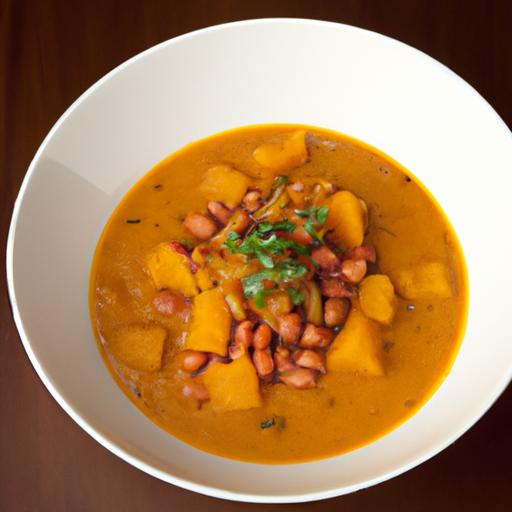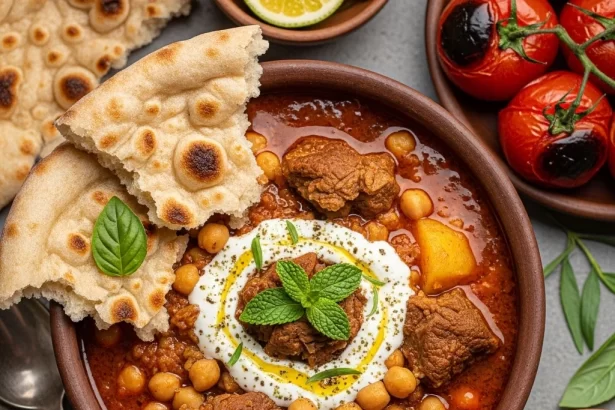

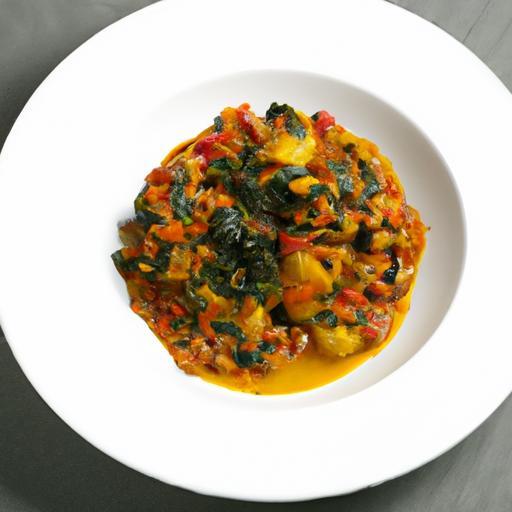
In the vibrant tapestry of West African cuisine, few dishes capture the heart and heritage of the region quite like Mafe. Often dubbed the beloved peanut stew, Mafe is more than just a hearty meal-it’s a flavorful journey steeped in tradition, community, and rich culinary artistry. This creamy, comforting dish, simmering with tender meats and earthy peanut paste, carries stories of generations and the diverse cultures that have shaped West Africa’s palate. Join us as we unveil the layers of Mafe, exploring its origins, variations, and the beloved role it plays at tables from Senegal to Mali and beyond.
Mafe Unveiled: Exploring West Africa’s Beloved Peanut Stew invites you to dive into a captivating culinary journey.This hearty, warmly spiced peanut stew holds a cherished place in West african kitchens, nourishing families and celebrating culture with every simmering pot. Its rich history and rustic charm make it more than just a meal-it’s a connection to tradition and community passed down through generations.
Prep and Cook Time
- Preparation: 20 minutes
- Cooking: 1 hour
- Total Time: 1 hour 20 minutes
Yield
Serves 6 hearty portions
Difficulty Level
Medium – beginner cooks will find the steps straightforward with a little attention to timing and seasoning
Key Ingredients That Define Authentic Peanut Stew
- 1/2 cup natural peanut butter (smooth or chunky based on preference)
- 2 lbs beef chuck or lamb, cut into 1-inch cubes (can substitute with chicken or plant-based protein)
- 3 tbsp vegetable oil (peanut or sunflower oil preferred)
- 1 large onion, finely chopped
- 4 cloves garlic, minced
- 1-inch piece fresh ginger, grated
- 2 medium tomatoes, chopped or 1 cup canned diced tomatoes
- 2 cups beef or vegetable broth
- 2 large carrots, sliced
- 2 medium sweet potatoes, peeled and cubed
- 1 Scotch bonnet or habanero pepper, whole or sliced (optional, for heat)
- 1 tsp smoked paprika
- 1 tsp ground cumin
- Salt and freshly ground black pepper to taste
- Fresh cilantro or parsley for garnish
- Juice of 1 lime (optional, for brightness)
Step by Step Guide to Crafting the Perfect Mafe
- Brown the meat: Heat the vegetable oil over medium-high heat in a heavy-bottom pot. Add beef cubes and brown on all sides, about 6-8 minutes, in batches if necessary to avoid overcrowding. Set meat aside.
- Sauté aromatics: In the same pot, reduce heat to medium. Add chopped onion and sauté until translucent, about 5 minutes. Stir in minced garlic and grated ginger, cooking another 2 minutes until fragrant.
- Add spices and tomatoes: Stir in smoked paprika and ground cumin, ensuring spices coat the aromatics evenly. Add chopped tomatoes and cook down for about 5 minutes, letting the mixture thicken slightly.
- Incorporate peanut butter and broth: Lower heat and whisk in peanut butter until smooth and combined with the tomato mixture. Slowly pour in broth, stirring constantly to create a silky, rich sauce.
- Return the meat: Add browned meat back into the pot. Add sliced carrots, sweet potatoes, and Scotch bonnet pepper if using.Season with salt and black pepper.
- Simmer: Cover pot partially and simmer gently for 45 minutes to 1 hour, stirring occasionally.The meat should become tender, and the sauce thickens to a luscious, creamy consistency.
- Finish and adjust: Taste and adjust seasoning with salt, pepper, and lime juice if desired. Remove and discard Scotch bonnet pepper to control heat level.
Tips for Success
- For a vegetarian or vegan twist, substitute the meat with hearty mushrooms, tempeh, or chickpeas; use vegetable broth instead of beef.
- Peanut butter quality is key-choose one without additives or sugar for authentic flavor.
- Simmer gently; aggressive boiling can cause the peanut sauce to split or become grainy.
- Mafe often tastes better the next day as flavors meld, making it perfect for meal prep or entertaining.
Pairing Mafe with Traditional Sides and Modern Twists
Traditionally, mafe is served alongside steamed white rice, fufu (fermented cassava or plantain dough), or millet couscous, which soak up the rich peanut sauce beautifully.For a contemporary flair, try pairing with creamy polenta or roasted root vegetables to balance the dish’s savory depth.
Fresh garnishes elevate the experience – chopped cilantro, thinly sliced red onions, or a dollop of cooling yogurt create delightful contrasts.A crisp side salad with citrus vinaigrette can also brighten the meal on warmer days.
Nutritional Information Per Serving
| calories | Protein (g) | Carbohydrates (g) | Fat (g) |
|---|---|---|---|
| 520 | 38 | 28 | 28 |

For deeper insight and variations, explore our article on West African Stews and Their Unique Flavors. To understand more about peanut cultivation and its cultural impact,visit FAO’s peanut crop profile.
Q&A
Q&A: Mafe Unveiled – Exploring West Africa’s Beloved Peanut Stew
Q: What exactly is Mafe?
A: Mafe, also known as groundnut stew, is a rich and hearty West African dish that centers around a savory, creamy peanut sauce.It’s a beloved comfort food made by simmering meat or vegetables in a luscious blend of roasted peanuts, tomatoes, and aromatic spices. Think of it as a warm, nutty hug served in a bowl!
Q: Which countries is Mafe most popular in?
A: mafe has deep roots across West Africa, with strong ties to countries like Senegal, Mali, Gambia, and Guinea. each region adds its own twist, making the stew as diverse as the cultures it represents-yet universally cherished.
Q: What are the main ingredients that give Mafe its signature flavor?
A: Beyond the star ingredient-peanuts or peanut butter-Mafe typically features tomatoes, onions, garlic, and chili peppers. The beauty lies in the simplicity, allowing the earthy nuttiness of the peanuts to shine through, balanced by the tanginess of tomatoes and a gentle kick from the spices.
Q: Is Mafe traditionally made with meat or vegetarian?
A: Both versions thrive in West African kitchens! Lamb, beef, or chicken are classic choices that deepen the stew’s hearty profile, but many enjoy delightful vegetarian variations brimming with sweet potatoes, carrots, eggplants, and other garden gems.
Q: How is Mafe usually served?
A: Mafe is traditionally ladled over fluffy white rice or millet to soak up its rich sauce. In some villages, it’s also enjoyed alongside fufu-a smooth, dough-like staple made from cassava or yams-offering another hearty way to embrace this stew.Q: What cultural meaning does Mafe hold?
A: More than just a meal, Mafe is a symbol of community and party. It’s often prepared in large pots during family gatherings, festivals, and joyous occasions-bringing people together over shared stories and steaming bowls of peanut bliss.Q: Can I make Mafe at home, and how can I adapt it for modern tastes?
A: Absolutely! Mafe’s flexible nature makes it a fantastic dish for home cooks to experiment with.Swap meats for plant-based proteins, adjust spices to your liking, or even try creamy peanut butter for convenience. The key is to balance flavors-the earthy peanuts, vibrant tomatoes, and subtle heat-to capture that authentic West African soul.
Q: Why has Mafe gained popularity beyond West Africa?
A: Its comforting, unique flavor profile has won hearts worldwide. As global palates crave more diverse and wholesome dishes,Mafe stands out with its nutty richness and versatility-a culinary ambassador for West African heritage on the international stage.Q: Any fun fact about Mafe?
A: The word ”mafe” itself means “sauce” or “stew” in some Mandinka dialects, highlighting the central role of the peanut sauce. Plus, peanuts-native to South America-made their way to Africa centuries ago, transforming local cuisines and giving birth to iconic dishes like Mafe!
Dive into a spoonful of Mafe, and you’ll taste more than ingredients-you’ll savor centuries of tradition, culture, and heart from the vibrant kitchens of West Africa.
The conclusion
As the rich, comforting aroma of mafe wafts through kitchens from bustling markets to cozy family tables, it’s clear that this beloved West african peanut stew is much more than just a dish-it’s a story simmered in tradition, culture, and community. Whether enjoyed with a mound of fluffy rice or as a hearty stew alongside fufu, mafe invites us to savor not only its complex layers of flavor but also the history and heart behind every spoonful. By uncovering the roots and regional twists of this culinary gem, we gain a deeper thankfulness for West Africa’s vibrant food heritage-a flavorful journey that continues to unite and inspire palates around the world. So next time you sit down to a bowl of mafe, remember: you’re tasting a legacy, lovingly crafted one nutty, soulful bite at a time.