In the bustling streets of vietnam, where scents dance through the air and every corner tells a story, one dish reigns supreme as a timeless emblem of culture and comfort: pho. More than just a bowl of fragrant broth, tender noodles, and fresh herbs, pho unfolds as a narrative-a blend of history, tradition, and the collective spirit of a nation. “Pho Unveiled: The Heart and Soul of Vietnamese Cuisine” invites you on a journey beyond the steamy bowls, exploring the origins, the artistry, and the enduring passion simmering beneath the surface of vietnam’s most iconic dish. Prepare to awaken your senses and deepen your appreciation for a culinary masterpiece that warms both body and soul.
Pho is undeniably the crown jewel of Vietnamese cuisine, a fragrant and soulful noodle soup that has transcended borders and captured hearts worldwide. Its origins trace back to early 20th-century northern Vietnam, where street vendors crafted this aromatic broth as a humble yet richly flavored comfort food. As you embark on making this dish, you’re not just preparing a meal-you’re connecting with a culinary tradition that embodies warmth, history, and community.
prep and Cook Time
- Planning: 30 minutes
- Cook Time: 6 hours (mostly simmering)
- Total Time: 6 hours 30 minutes
Yield
- Serves 6 generous bowls
Difficulty Level
- Advanced: Requires patience and attention to detail for a truly authentic broth
Ingredients
- 5 lbs beef bones (preferably leg and knuckle bones, roasted)
- 1 lb beef brisket, whole piece
- 2 large yellow onions, halved
- 1 large ginger root (4-inch piece), halved lengthwise
- 5 star anise pods
- 1 cinnamon stick (3-inch)
- 4 cloves
- 1 tablespoon coriander seeds
- 1 tablespoon fennel seeds
- 1 tablespoon rock sugar or granulated sugar
- Salt, to taste
- Fish sauce, 3-4 tablespoons
- 1 lb dried flat rice noodles (Bánh phở)
- Fresh herbs: Thai basil, cilantro, culantro, mint
- Bean sprouts, rinsed
- Lime wedges
- Thinly sliced white onion
- Thinly sliced green onions
- Fresh red bird’s eye chilies, sliced
Instructions
- Roast the bones and aromatics: Preheat oven to 425°F (220°C). Place bones and brisket on a roasting pan. roast for 45 minutes until browned. When 20 minutes remain, add the halved onions and ginger directly to the pan to char them slightly. This deep roasting builds the base of the broth’s complex flavor.
- Toast spices: In a dry skillet over medium heat, toast the star anise, cinnamon stick, cloves, coriander seeds, and fennel seeds until fragrant (about 2-3 minutes). Transfer to a spice bag or cheesecloth for easy removal later.
- Simmer the broth: Transfer roasted bones, brisket, ginger, and onions into a large stockpot. Add 6 quarts of cold water. Slowly bring to a gentle boil, then immediately reduce to a low simmer. Skim off any scum and impurities for the first 30 minutes to keep the broth crystal-clear.
- Add spices and sugar: Stir in the toasted spice bag and rock sugar.Continue to simmer uncovered for at least 5 hours,adding water as needed to keep bones submerged. Stir occasionally and maintain a gentle simmer-avoid rapid boiling to preserve clarity.
- Remove and shred brisket: After broth has simmered for 4 hours, remove brisket. Let rest to cool, then thinly slice. Continue simmering the bones to extract maximum flavor.
- Final seasoning: After 5-6 hours, strain broth through a fine sieve into a clean pot. Season with fish sauce and salt to taste.Keep broth hot until ready to assemble pho bowls.
- Prepare noodles: soak dried rice noodles in warm water for 30 minutes or cook briefly according to package instructions until al dente. Drain well.
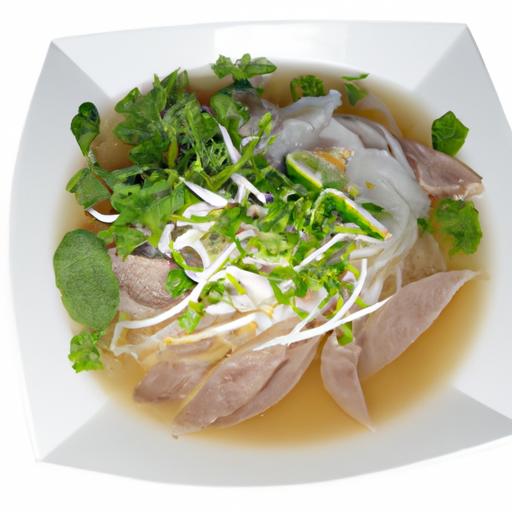
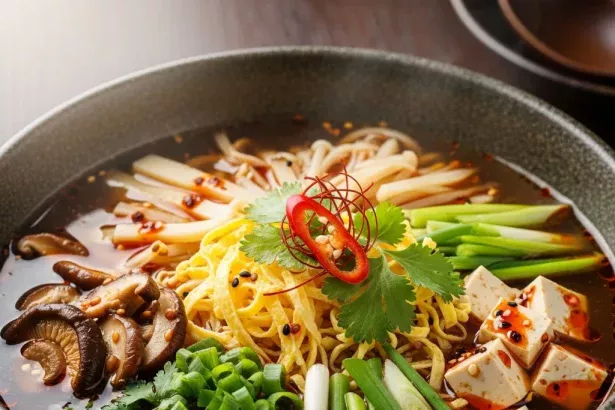
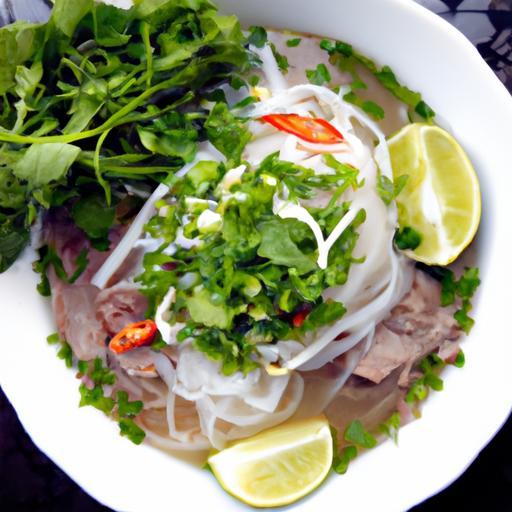
- Assemble: In serving bowls, arrange a portion of noodles, slices of brisket, thinly sliced raw beef (optional), white onions, and green onions. Pour steaming hot broth over to cook any raw beef slices. Garnish with herbs, bean sprouts, lime wedges, and chili slices.
Tips for Success
- clarity is key: Skim the broth diligently during the first hour to ensure crystal-clear soup.
- Roast thoroughly: Don’t skip roasting bones and aromatics; it deepens the broth’s richness and color.
- Ingredient quality: Use fresh herbs and top-quality beef for authentic flavor.
- Make ahead: Broth can be made up to 3 days in advance and refrigerated; reheat gently before serving.
- Customize your bowl: Adjust garnishes and spice levels to your taste for a personal touch on this customary dish.
Serving Suggestions
Present your pho in wide, shallow bowls that showcase the vibrant garnishes and floating herbs. Serve with a side of lime wedges, fresh bean sprouts, thai basil, sliced chilies, and hoisin sauce for dipping. Encourage guests to tailor each bite with these fresh accompaniments, lending balance and brightness to the hearty broth.
| Nutrient | Per Serving |
|---|---|
| Calories | 350 kcal |
| Protein | 30 g |
| Carbohydrates | 40 g |
| Fat | 8 g |

Explore flavors beyond pho with our in-depth guide on Vietnamese Bánh Mì Sandwiches.For more past context on vietnamese culinary traditions, visit Britannica’s Pho entry.
Q&A
Q&A: Pho Unveiled – The Heart and Soul of Vietnamese Cuisine
Q1: What exactly is pho, and why is it considered the heart and soul of Vietnamese cuisine?
A1: Pho is a fragrant, soul-warming noodle soup that combines delicate broth, tender meat, fresh herbs, and rice noodles. More than just a dish, pho embodies centuries of Vietnamese history, culture, and tradition. It’s the culinary heartbeat that brings families together at dawn, street vendors to life, and cities to a harmonious hum of shared appetite and pride.
Q2: How did pho originate, and what makes its history unique?
A2: Pho’s origins are a flavorful blend of indigenous Vietnamese cooking and French colonial influences – a testament to Vietnam’s complex past. Emerging in the early 20th century around Hanoi, pho was a humble street food that grew into a national treasure. Its evolving recipe reflects the spirit of adaptability and fusion, making it both timeless and ever-changing.
Q3: What distinguishes northern and southern styles of pho?
A3: Northern pho (Pho Bac) is subtle and balanced,focusing on a clear,aromatic broth seasoned with star anise,cinnamon,and charred onion,served with simple,fresh herbs. southern pho (Pho Nam),by contrast,is richer and sweeter,topped with a bounty of herbs and condiments,inviting diners to customize their bowls with hoisin sauce,chili,lime,and more. Together, they represent Vietnam’s diverse palate and regional identities.
Q4: How is the iconic broth made, and why is it so important?
A4: The broth is the soul of pho - a slow-simmered elixir of beef bones, spices, and aromatics often cooked over hours or even overnight. This patient alchemy extracts deep umami and layered flavors, resulting in a clear yet intensely savory liquid that caresses every noodle and morsel it bathes. A great broth is an art form, demanding patience, finesse, and respect for quality ingredients.
Q5: What roles do herbs and accompaniments play in the pho experience?
A5: pho is not just eaten; it’s personalized. Fresh herbs like Thai basil, cilantro, mint, and sawtooth coriander add brightness and complexity, while lime juice, bean sprouts, and chili provide citrusy zest and crunch. These accompaniments invite each diner to become a creator, layering flavors and textures to transform the bowl from humble comfort food into a personal masterpiece.
Q6: Why has pho gained international acclaim and popularity?
A6: Pho’s global rise stems from its perfect balance of nourishment, flavor, and cultural storytelling. It caters to modern palates craving authenticity and freshness, while also delivering a soulful experience that reconnects peopel to tradition and community. Whether savored in Hanoi’s bustling streets or a chic urban café in New York, pho carries with it a narrative of heritage, hospitality, and heartfelt simplicity.
Q7: How can someone new to pho best enjoy this iconic dish?
A7: Approach pho with an open palate and curiosity.start by savoring the broth on its own to appreciate its depth. Then add noodles and meat, followed by herbs and condiments in small increments to discover your perfect balance. Pho is as much about soaking in the aromas and textures as it is indeed about taste – a warm invitation into Vietnamese culture and culinary artistry.
Q8: What does pho symbolize beyond food in Vietnamese culture?
A8: Pho transcends gastronomy; it symbolizes unity, resilience, and the spirit of Vietnam. It’s a comfort for the weary, a ritual of morning renewal, and a bridge between generations. Sharing pho is sharing stories, memories, and identity - a humble yet profound expression of belonging and love. In every steamy bowl lies a piece of Vietnam’s soul, waiting to be unveiled.
Final Thoughts
As the steam rises from a bowl of pho, so too does an invitation-to savor not just a dish, but a story steeped in history, culture, and communal warmth. pho is more than just Vietnam’s iconic noodle soup; it is indeed a living tapestry of flavors that bridges past and present, north and south, tradition and innovation. By peeling back its layers, we uncover the heart and soul of Vietnamese cuisine itself-a delicate balance of simplicity and complexity, patience and passion. So the next time you lift that aromatic broth to your lips, remember: you’re tasting centuries of heritage, one fragrant spoonful at a time.