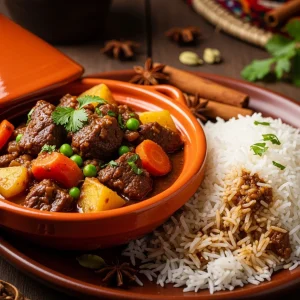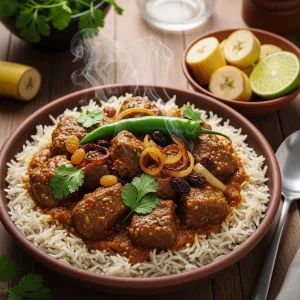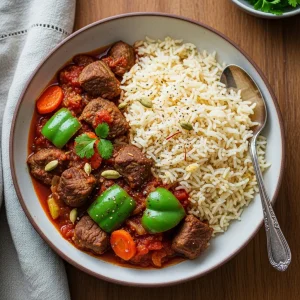

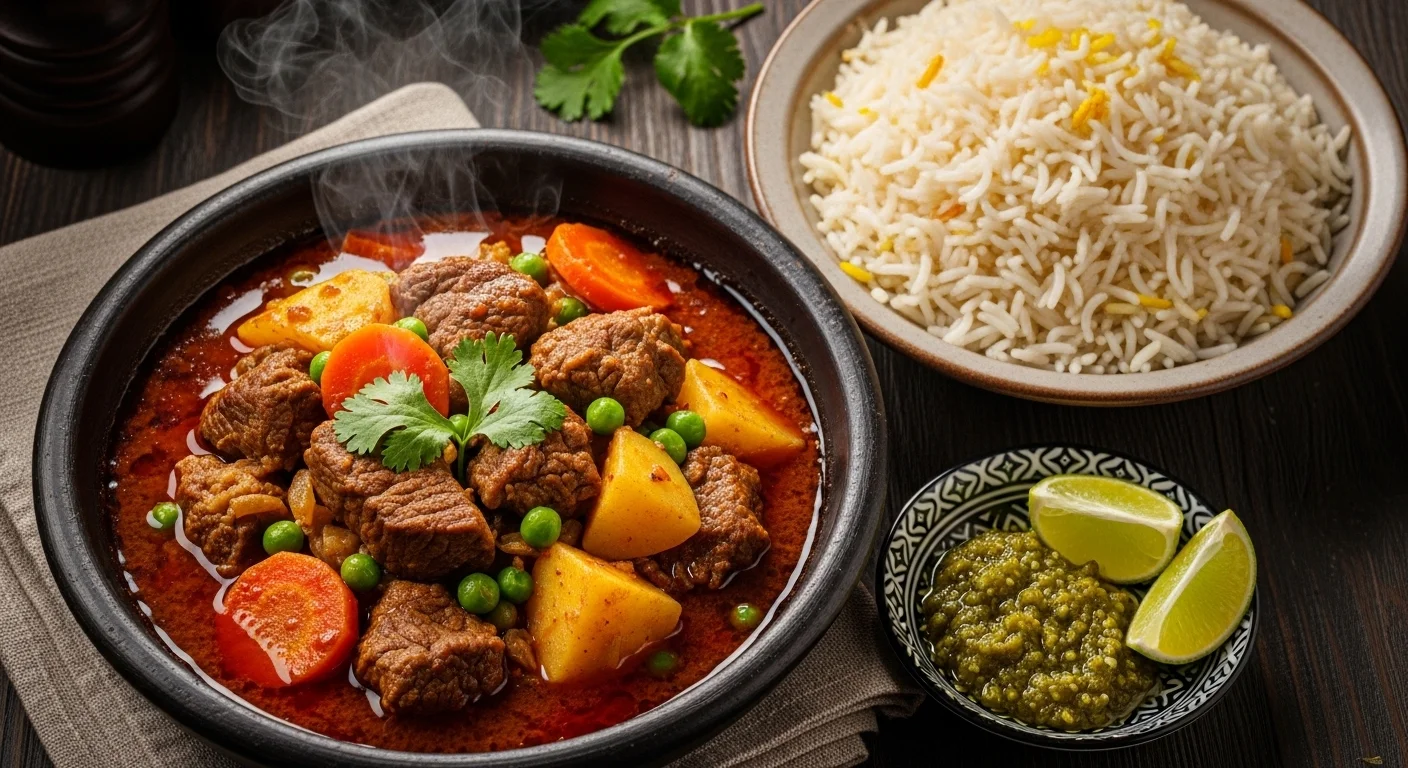
In the heart of East Africa, where vibrant spices dance and rich culinary traditions tell stories of culture and community, Somali beef stew with rice stands as a beloved emblem of flavor and heritage. this hearty dish, simmered to perfection with tender chunks of beef, fragrant spices, and a medley of vegetables, invites you to savor more than just a meal, it offers a taste of Somalia’s warm hospitality and timeless traditions. Join us as we explore the origins, ingredients, and cooking techniques behind this flavorful stew, and discover why it remains a cherished centerpiece on Somali tables around the world.
Exploring the Rich History behind Somali Beef Stew
Savor Somali Beef Stew with rice reveals a culinary tradition deeply rooted in Somalia’s diverse cultural tapestry. This hearty stew, locally known as Suqaar or simply beef stew, represents more than just a meal, it echoes stories of family gatherings, nomadic resilience, and the vibrant spice trade that passed through the Horn of Africa for centuries. Originating from a blend of Middle Eastern and African influences, Somali beef stew embodies the rich aromas of fragrant spices like cardamom, cumin, and coriander, balanced against tender, slow-cooked beef.
The simplicity of the dish belies its complexity, the slow melding of spices and meat creates a luscious, velvety sauce that captures the essence of Somali hospitality. For many, it’s a comfort food that evokes warmth and togetherness, typically enjoyed with the fluffy steamed rice that soaks up every mouthful of delicious stew.
Key Ingredients That Make Somali Beef stew Unforgettable
The magic of Somali beef stew lies in its careful selection of ingredients that awaken your taste buds with every bite. Here are the staples that define the authentic flavor profile:
- beef chuck or stew meat (2 lbs) – well-marbled for tender richness
- Onions (2 large, finely chopped) – caramelized to add sweetness
- Garlic cloves (4, minced) – essential earthy depth
- Fresh ginger (1 tablespoon, grated) – for gentle warmth and zest
- Tomato paste (2 tablespoons) – intensifies the stew’s umami base
- Red chili powder (1 teaspoon) – adds vibrant heat
- Ground cumin and coriander (1 teaspoon each) – cornerstone Somali spices
- Cardamom pods (4, slightly crushed) – lends a floral, exotic note
- Cloves (3 whole) – subtle piquancy
- Black pepper (½ teaspoon) – freshly ground
- Vegetable oil or ghee (3 tablespoons) – for sautéing
- Beef broth or water (3 cups) – to braise and infuse flavors
- Salt to taste
- fresh cilantro (a handful, chopped) - for garnish
Step-by-Step Guide to Perfecting Your Somali Beef Stew
- Prepare the beef: Cut the beef chuck into 1-inch cubes, pat dry with paper towels for better browning.
- Sear the beef: Heat oil in a heavy-bottomed pot over medium-high heat. Brown the beef cubes in batches, about 3 minutes per side, until deep golden. Set aside to avoid stew overcrowding and steaming.
- Sauté aromatics: In the same pot, add onions, stirring frequently. Cook for 7-8 minutes until soft and golden brown, releasing natural sweetness.
- Add garlic and ginger: Stir in minced garlic and grated ginger, cooking for 1 minute until fragrant without burning.
- Spice it up: Add tomato paste, chili powder, cumin, coriander, cardamom pods, cloves, and black pepper. Cook for 2 minutes to toast the spices and develop aroma.
- Combine and simmer: Return browned beef to the pot, stir to coat thoroughly with the spice mixture. Pour in the beef broth or water until the meat is just covered.
- Slow cook: Bring to a gentle boil, then reduce heat to low. Cover and simmer for 1.5 to 2 hours, stirring occasionally, until beef is tender and the sauce has thickened beautifully.
- Final seasoning: Taste and adjust salt. Remove cardamom pods and cloves for smooth texture.
- Garnish and serve: Sprinkle fresh chopped cilantro over the stew before serving.
Pairing Somali Beef Stew with Rice for an Authentic Dining Experience
Savor Somali Beef stew with Rice wonderfully matches the tender, spice-infused stew with light, fluffy basmati or jasmine rice, the perfect canvas to absorb every drop of rich, savory sauce. Traditionally, the rice is cooked with a pinch of salt and a splash of oil to keep the grains separate and fragrant.
Consider adding a side of crispy Somali sambusas or a refreshing simple salad with cucumber and tomatoes tossed in lemon juice to balance the richness.The combination invites you to experience the authentic flavors and textures that have delighted Somali tables for generations.
Prep and Cook Time
- Preparation Time: 20 minutes
- Cook Time: 2 hours
- Total Time: 2 hours 20 minutes
Yield
Serves 6 generous portions, perfect for family meals or sharing with friends.
Difficulty Level
Medium – ideal for home cooks pleasant with slow simmering and balancing spices.
Ingredients
- 2 lbs beef chuck or stew meat, cut into 1-inch cubes
- 2 large onions, finely chopped
- 4 garlic cloves, minced
- 1 tablespoon fresh ginger, grated
- 2 tablespoons tomato paste
- 1 teaspoon red chili powder
- 1 teaspoon ground cumin
- 1 teaspoon ground coriander
- 4 cardamom pods, crushed
- 3 whole cloves
- ½ teaspoon freshly ground black pepper
- 3 tablespoons vegetable oil or ghee
- 3 cups beef broth or water
- Salt to taste
- Handful fresh cilantro, chopped for garnish
Instructions
- Cut and pat dry beef cubes.
- Sear beef in hot oil until golden, 3 mins per side; set aside.
- Sauté onions in the same pot until golden, about 7-8 mins.
- Add garlic and ginger; cook 1 minute until fragrant.
- Mix in tomato paste and spices; toast 2 minutes.
- Return beef; stir well. Add broth to cover meat.
- Simmer low with lid on for 1.5-2 hours until tender.
- Adjust salt; remove cardamom and cloves.
- Garnish with cilantro before serving.
Tips for Success
- Use good quality beef chuck for tender results after slow cooking.
- Don’t rush browning: it locks in flavor and adds rich color.
- Toast spices well but avoid burning to keep flavors balanced.
- Simmer gently-high heat can toughen beef.
- Make-ahead kind: flavors deepen beautifully if refrigerated overnight.
- Substitute beef broth with chicken or vegetable broth for a lighter variation.
serving Suggestions
Serve Somali beef stew piping hot over steamed basmati rice, garnished with fresh cilantro. Accompany the meal with warm flatbread or a crisp fresh salad of diced cucumbers, tomatoes, and red onions with a squeeze of lemon for brightness.For an indulgent touch, a dollop of cooling yogurt on the side balances spice beautifully.
| Nutrient | Per Serving |
|---|---|
| Calories | 350 kcal |
| Protein | 30 g |
| Carbohydrates | 12 g |
| fat | 20 g |
For further exploring Somali cuisine, visit the Somali Food Network, a trusted resource for authentic recipes and cultural insights.
Q&A
Q&A: Savor Somali Beef Stew with Rice – A Flavorful Tradition
Q1: What makes Somali Beef Stew with Rice a standout dish in Somali cuisine?
A1: Somali Beef Stew with Rice is more than just a meal, it’s a celebration of rich, aromatic spices and hearty ingredients that tell a story of heritage and community. This dish combines tender beef slow-cooked in a fragrant blend of spices like cardamom, cumin, and cinnamon, resulting in a stew bursting with depth and warmth. Paired with fluffy, fragrant rice, it embodies the essence of Somali hospitality and culinary tradition.
Q2: How is the beef stew traditionally prepared to achieve its distinctive flavors?
A2: The magic lies in the slow-simmering process. The beef is typically marinated with a mixture of garlic, ginger, and Somali seasoning known as “xawaash”, then sautéed with onions and tomatoes. The stew often includes warming spices, cloves, coriander, and sometimes a touch of chili for mild heat. Slow cooking allows the flavors to meld beautifully, tenderizing the meat and creating a rich, savory sauce.
Q3: What role dose rice play in this conventional Somali dish?
A3: Rice is more than a side; it’s the perfect canvas to showcase the stew’s complexity. Often cooked with a bit of cardamom or cumin, Somali rice is fragrant and light, balancing the stew’s robust profile. The pairing highlights the Somali gratitude for harmony in flavors and textures, where each bite is a comforting, layered experience.
Q4: Are there regional variations of Somali Beef Stew with Rice?
A4: Absolutely! While the core components remain consistent, regional tweaks reflect local ingredients and tastes. Coastal areas might add a hint of coconut milk for creaminess, while inland versions emphasize stronger spice blends or include vegetables like potatoes or carrots. These variations celebrate the diversity within Somali culinary practices, keeping the tradition alive and evolving.
Q5: Can this dish be adapted for modern or dietary preferences?
A5: Definitely. While traditional recipes call for beef, you can substitute with lamb, chicken, or plant-based proteins to suit dietary needs. Additionally, using brown rice or quinoa offers a nutritious twist without losing the authentic balance. Herbs and spices can be adjusted to personal heat preferences, ensuring everyone can enjoy this flavorful tradition.
Q6: Why is Somali Beef Stew with Rice more than just food, why is it a cultural experience?
A6: Sharing Somali Beef Stew with Rice is a communal act steeped in history and hospitality. It’s often enjoyed during family gatherings, celebrations, and communal meals, embodying the Somali values of generosity and togetherness. Each savory bite connects diners to generations of cooks and storytellers, making it a heartfelt experience that nourishes body and soul alike.
The Conclusion
As the rich aroma of Somali beef stew mingles with the fluffy, fragrant rice, we are reminded that food is more than sustenance, it is a story woven through time, culture, and community. This beloved dish invites us to savor not just its bold spices and tender meat, but the heritage and heart that bring every spoonful to life. Whether enjoyed at a lively family feast or recreated in your own kitchen, Somali beef stew with rice offers a flavorful tradition worth discovering and sharing. So, next time you crave a taste that speaks of history and warmth, let this stew transport you to the vibrant kitchens of Somalia, where every bite is a celebration of culture and comfort.