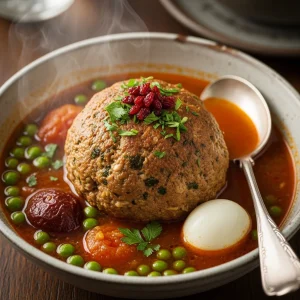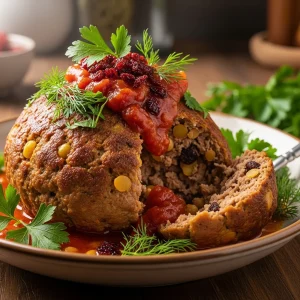

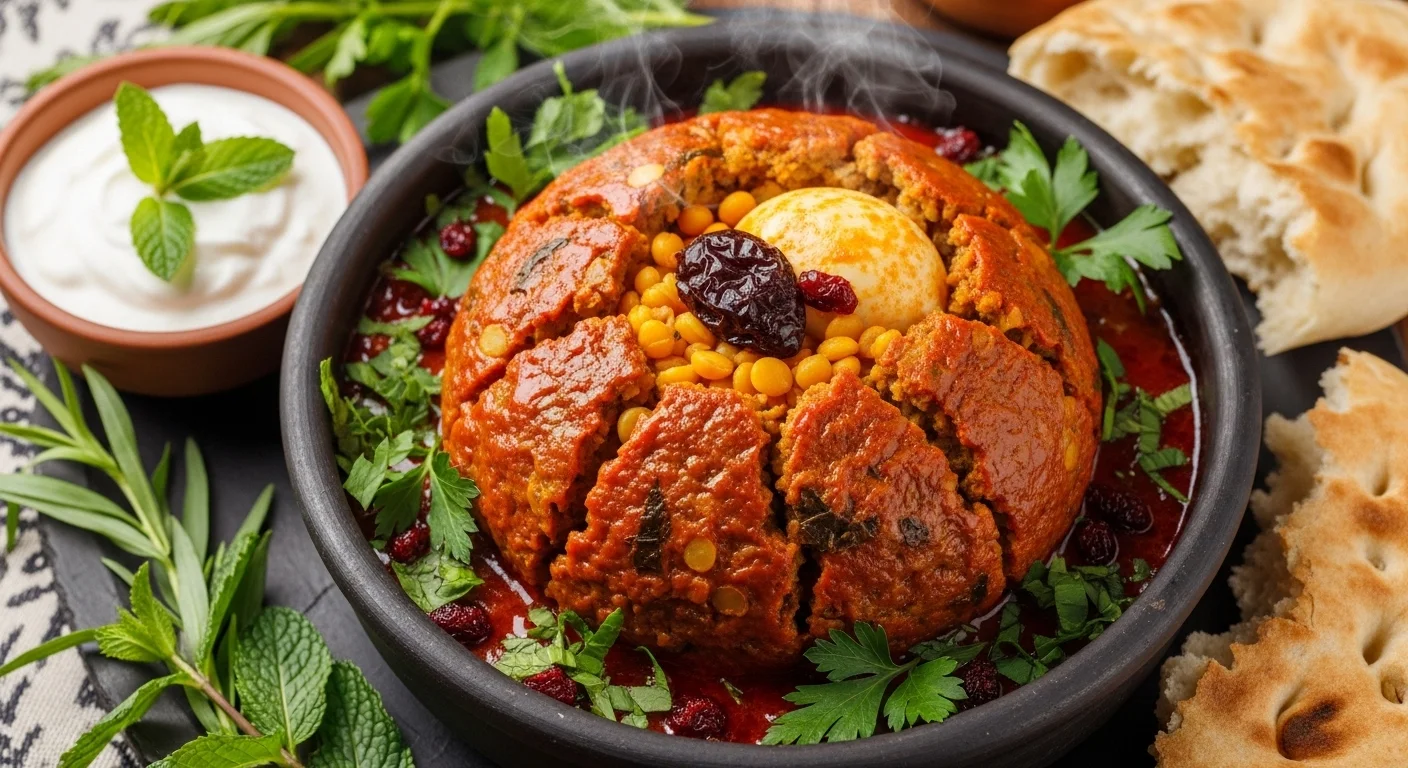
In the heart of Persia’s rich culinary tapestry lies a dish that mesmerizes both the eye and the palate: Koofteh Tabrizi. more than just meatballs, thes sumptuous orbs tell a story steeped in history, culture, and the vibrant flavors of Tabriz, a city renowned for it’s gastronomic heritage. Koofteh Tabrizi is an remarkable blend of ground meat, fragrant herbs, rice, and sometimes surprises hidden at their core, each bite revealing the artistry and tradition that have been passed down through generations. Join us as we embark on a flavorful journey to explore the origins, ingredients, and cultural meaning of Persia’s iconic meatball delight, Koofteh Tabrizi.
Koofteh Tabrizi is a cherished beacon of Persian culinary tradition, originating from the historic city of Tabriz in Northwestern Iran. This iconic meatball dish captivates food lovers wiht its intricate layers of flavor, delightful textures, and symbolic richness. Legend tells that Koofteh Tabrizi was perfected in grand Persian courts, bringing together ground meat, herbs, pulses, and aromatic spices, all rolled into huge, tender meatballs that are simmered in a fragrant tomato-based broth. Its cultural significance extends beyond mere sustenance; it’s a festive dish heralding warmth, family gatherings, and Persian hospitality.
Prep and Cook Time
- Preparation: 40 minutes
- Cooking: 1 hour 15 minutes
- Total Time: 1 hour 55 minutes
Yield
- Serves 6 generous portions
Difficulty Level
- Medium – perfect for those with some kitchen confidence aiming to impress
Ingredients That Define the Perfect Persian Meatball
- 500g ground beef or lamb (preferably a 80/20 meat-to-fat ratio for juiciness)
- 1 cup yellow split peas, rinsed and soaked for 1 hour
- 1 medium onion, finely grated
- 1/2 cup cooked rice (preferably short-grain)
- 1/4 cup fresh parsley, finely chopped
- 1/4 cup fresh cilantro, finely chopped
- 1/2 cup fresh dill, finely chopped
- 2 tbsp dried mint flakes
- 1 tsp turmeric powder
- 1 tsp ground black pepper
- 1 tbsp salt
- 2 eggs, beaten
- 100g dried barberries (zereshk), rinsed and soaked
- 50g walnuts, chopped
- 1 tbsp rose water (optional but traditional)
- 3 tbsp all-purpose flour, for coating
- 4 tbsp olive oil or vegetable oil
- 4 cups tomato paste diluted with 6 cups water (to make the broth)
- 1 tbsp sugar
- Juice of 1 lemon
Step by Step guide to Crafting Authentic Koofteh Tabrizi
- Prepare the base: Drain soaked yellow split peas. In a pot, bring them to a boil with water and simmer until tender but not mushy, about 20 minutes. Drain and let cool.
- Mix the meatball mixture: In a large bowl, combine ground meat, grated onion, cooked rice, chopped herbs, turmeric, pepper, salt, eggs, and cooled split peas. Knead vigorously until fully blended and slightly sticky – this ensures a cohesive texture and flavorful meatballs.
- Make the filling: In a smaller bowl, mix barberries, chopped walnuts, rose water, a pinch of sugar, and a splash of lemon juice. This tangy, sweet filling bursts with Persian tradition inside each koofteh.
- Form the meatballs: With wet hands, scoop a generous amount (about the size of a large orange). Flatten it, place 1-2 tbsp of filling in the center, and carefully mold the meat around it, sealing the filling inside completely.
- Coat and prep for cooking: Lightly dust each meatball in flour for a delicate crust.
- Brown the koofteh: Heat olive oil in a heavy-bottomed pot over medium heat. Brown each meatball gently on all sides for 5 minutes total, turning carefully to avoid breakage.
- Prepare the tomato broth: Dilute tomato paste with water, stir in sugar and lemon juice, then pour the mixture over the browned meatballs.
- Simmer gently: Cover and simmer on low heat for 45 minutes to 1 hour. This slow cooking allows flavors to meld and the meatballs to tenderize perfectly.
- Final touch: Adjust seasoning with salt and pepper. Let the dish rest for 10 minutes before serving to enhance flavor integration.
Chef’s notes / Tips for Success
- Use freshly ground meat for the best texture and flavor; ask your butcher to grind the cuts you prefer.
- For a vegetarian version, substitute meat with lentils and mushrooms, maintaining the core herb and spice profile.
- If meatballs feel fragile, chill the mixture for 20 minutes before shaping to help firm up.
- Make-ahead tip: Prepare meatballs and filling a day prior; assemble and cook the next day for deeper flavor.
- Barberries add critical shining sour notes. If unavailable, substitute with dried cranberries mixed with a touch of lemon juice.
Serving Suggestions and Pairing Ideas for an Unforgettable Meal
Koofteh Tabrizi is best enjoyed hot, ladled generously with its aromatic tomato broth. Serve alongside steamed saffron basmati rice or traditional Persian flatbread like sangak for soaking up every flavorful drop. garnish with fresh mint sprigs, additional barberries, and a few crushed walnuts for texture contrast.
Pair the meal with a crisp Shiraz or a delicate Persian Doogh (yogurt drink with mint) to cut through the richness.Accompany the dish with a fresh Shirazi salad – diced cucumber, tomato, and onion tossed in lemon juice and olive oil – providing a refreshing balance.
Nutritional Information per serving
| Nutrient | Amount |
|---|---|
| Calories | 420 kcal |
| Protein | 28 g |
| Carbohydrates | 35 g |
| Fat | 20 g |
For more on classic Persian dishes, check out our detailed guide on Traditional Persian Rice Dishes. To delve deeper into Persian culinary history, visit the Britannica page on Persian Cuisine.
Q&A
Q: What is Koofteh Tabrizi and why is it considered an iconic Persian dish?
A: Koofteh Tabrizi is a traditional Persian meatball originating from the city of Tabriz in northwest Iran.Unlike typical meatballs, these are giant, flavorful spheres stuffed with a delightful medley of ingredients, making them a culinary masterpiece. Their size, intricate preparation, and rich combination of textures and tastes have cemented their status as a beloved icon in Persian cuisine.
Q: What ingredients make Koofteh Tabrizi so special?
A: The magic lies in the layers! The outer meatball is a blend of ground beef or lamb mixed with split peas, rice, herbs like parsley and dill, and spices such as turmeric and cinnamon. Inside, you find a hidden treasure of dried fruits (like prunes or apricots), nuts (walnuts or almonds), and sometimes fragrant barberries, giving the meatballs a surprising sweet and tangy surprise.
Q: How is Koofteh tabrizi traditionally prepared?
A: Preparation is both an art and a labor of love! The mixture is carefully shaped into large spheres, often as big as a fist or larger. Each is stuffed with the sweet, nutty filling before being gently simmered in a rich tomato-based broth infused with saffron and aromatic spices. the slow cooking allows the flavors to meld and the meatballs to become tender and succulent.
Q: what cultural significance does Koofteh Tabrizi hold in Persian society?
A: Koofteh Tabrizi is more than food, it’s a symbol of warmth, hospitality, and communal sharing. Traditionally served during family gatherings and special occasions, its elaborate preparation reflects Persian culinary pride and the joy of coming together over a hearty, soulful meal.
Q: Can Koofteh Tabrizi be enjoyed outside of Tabriz and Iran?
A: Absolutely! As Persian cuisine continues to captivate taste buds worldwide, Koofteh Tabrizi has appeared on menus beyond Iran’s borders, inviting food lovers to explore its unique combination of savory, sweet, and aromatic flavors, an edible journey to the heart of Persian heritage.
Q: What makes Koofteh Tabrizi diffrent from other meatball dishes globally?
A: While many cultures feature meatballs, Koofteh Tabrizi stands out for its sheer size, multi-textured fillings, and the blend of sweet and savory components. Its aromatic herb blends and slow-cooked tomato broth create a complex flavor profile that evokes centuries of Persian culinary tradition in every bite.
Q: Any tips for someone attempting to make Koofteh Tabrizi at home?
A: Patience is key! Work gently with the meat mixture to keep the balls intact when stuffing and cooking. Don’t shy away from fresh herbs and authentic spices, they’re the soul of the dish. and remember, the joy is as much in the making as in the tasting; invite family or friends to help and share the experience!
Final Thoughts
As the final spoonful of Koofteh Tabrizi dissolves, it leaves behind more than just lingering flavors-it carries with it the rich tapestry of Persian history, culture, and culinary artistry. This iconic meatball, with its fragrant herbs, tender textures, and surprising fillings, is a testament to the ingenuity of Tabriz’s kitchens and the enduring warmth of Persian hospitality. Whether savored in a bustling market or recreated in a home kitchen thousands of miles away, Koofteh Tabrizi invites us to taste a story centuries in the making-one bite at a time. So next time you seek a dish that transcends mere sustenance, let Koofteh Tabrizi guide you on a flavorful journey through the heart of Persia.