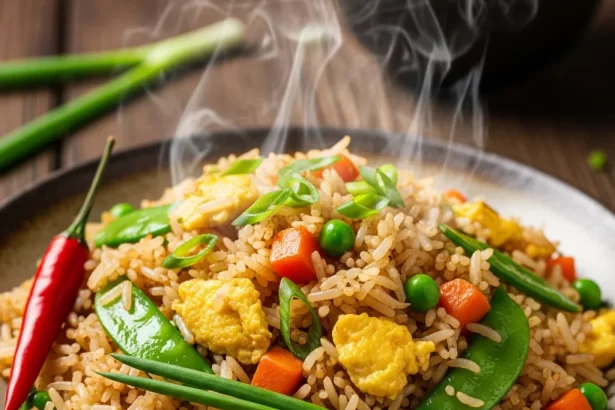


In the heart of North Africa, where ancient traditions meet vibrant spices and sun-kissed landscapes, moroccan couscous emerges not just as a dish, but as a captivating story steeped in history and culture. This humble grain, steamed to fluffy perfection and often adorned with a colorful medley of vegetables, tender meats, and fragrant herbs, offers more than a meal-it invites a flavorful journey through time and tradition.From bustling souks to family gatherings, Moroccan couscous is a culinary emblem that has nourished generations, weaving together the threads of community, celebration, and identity. Join us as we explore the rich tapestry of flavors, techniques, and stories that make Moroccan couscous a beloved treasure of the Maghreb and a feast for the senses.
Moroccan Couscous is more than just a dish-it’s a celebration of centuries-old traditions that unite flavors, textures, and stories from the vibrant heart of Morocco. This iconic grain-based meal, often referred to as the soul food of Moroccan cuisine, evokes the warmth of shared family tables and the aromatic breeze of bustling souks. My first experience savoring Moroccan couscous was unforgettable: the soft,fluffy grains infused with fragrant spices paired with tender meats and fresh vegetables,creating a symphony of taste that still inspires my culinary creations today.
Prep and Cook Time
- Preparation: 25 minutes
- Cooking: 45 minutes
- Total Time: 1 hour 10 minutes
Yield
Serves 6 generous portions
Difficulty Level
Medium – Perfect for home cooks seeking a rewarding and authentic experience
Ingredients
- 2 cups Moroccan couscous (medium-grain semolina)
- 2 tbsp olive oil,extra virgin
- 1 tsp sea salt
- 1 ½ cups boiling water or vegetable broth
- 1 large onion, finely chopped
- 2 cloves garlic,minced
- 1 large carrot, peeled and diced
- 1 zucchini, diced
- 1 cup chickpeas,cooked or canned (rinsed)
- 1 tsp ground cumin
- 1 tsp ground coriander
- 1 tsp ground cinnamon
- ½ tsp turmeric powder
- ½ tsp paprika
- 1/4 tsp cayenne pepper (optional,for heat)
- 1 tbsp fresh cilantro,chopped
- 1 tbsp fresh parsley,chopped
- 2 tbsp unsalted butter or ghee
- 1 cup vegetable or chicken broth (for steaming and flavor)
- Salt and freshly ground black pepper, to taste
Instructions
- Prepare the couscous: In a large heatproof bowl,place the couscous. Sprinkle with 1 tsp sea salt and 2 tbsp olive oil. Pour 1 ½ cups boiling water or broth over the grains and cover tightly with a lid or plastic wrap. Let it steam for 10 minutes, allowing the couscous to absorb the liquid fully.
- Fluff the grains: Using a fork, gently fluff the couscous to separate the grains. Set aside while preparing the vegetables and spice blend.
- Sauté the aromatics: In a large tagine or heavy-bottomed pot, heat 2 tbsp olive oil over medium heat. Add the chopped onion and garlic, cooking until softened and translucent, about 5 minutes, stirring frequently to avoid burning.
- Add the vegetables and spices: stir in the diced carrot and zucchini, followed by ground cumin, coriander, cinnamon, turmeric, paprika, and cayenne pepper if using. Toast the spices for 1-2 minutes until fragrant, stirring continuously.
- Simmer the stew: Pour in 1 cup broth and add chickpeas. Season with salt and pepper. Cover and simmer gently for 20-25 minutes until the vegetables are tender and the flavors meld harmoniously.
- Steam the couscous again (optional but traditional): Transfer the couscous to a couscoussier (traditional steamer pot) or a fine mesh sieve placed over the pot of simmering stew.Steam the couscous for another 15 minutes, which creates a delightfully light and fluffy texture.
- Finish the couscous: transfer the couscous back to a bowl, mix in the butter or ghee, and fluff once more with a fork. Sprinkle with chopped cilantro and parsley for freshness and vibrant color.
- Serve: Plate the couscous as a bed,spoon the vegetable and chickpea stew generously over,and garnish with extra herbs or toasted almonds for crunch.
chef’s Notes & Tips for Success
- Upgrade your couscous: For a heartier texture, try blending fine semolina with whole wheat couscous.
- Boost flavor with broth: Using vegetable or chicken broth in place of water significantly enriches the couscous.
- Vegetable variety: Swap or add seasonal vegetables like butternut squash, eggplant, or bell peppers to personalize your dish.
- Make-ahead: Prepare the vegetable stew a day ahead; flavors intensify beautifully overnight.
- Meat options: Add slow-cooked lamb or chicken for a traditional protein pairing.
- Steaming technique: If a couscoussier isn’t available, use a fine metal sieve and steam over a pot to mimic traditional methods.
Serving Suggestions
Moroccan couscous shines brightest when served as a communal feast. Present it on a large serving platter, allowing guests to scoop generous portions. Garnish with fresh herbs, toasted pine nuts, or golden raisins for texture contrasts. Accompany with harissa sauce for those who love heat,and serve with traditional Moroccan mint tea or a light,fruity white wine like a Moroccan rosé for a perfect pairing.
| nutrient | Per Serving |
|---|---|
| Calories | 320 kcal |
| Protein | 9 g |
| Carbohydrates | 55 g |
| Fat | 7 g |
Related Read: Discover how aromatic spice blends define Moroccan cuisine and elevate your dishes.
For a deeper dive into the origins of couscous and its cultural heritage, visit the Encyclopædia Britannica for an expert overview.

Q&A
Q&A: Moroccan Couscous – A Flavorful Journey Through Tradition
Q1: What makes Moroccan couscous so unique compared to other types of couscous?
A1: Moroccan couscous stands out for its delicate, fluffy texture achieved by steaming the grains multiple times, rather than just boiling them. This ancient technique,combined with a vibrant medley of spices like saffron,cinnamon,and cumin,elevates each bite into a sensory celebration rooted deeply in Moroccan heritage.
Q2: How is Moroccan couscous traditionally prepared?
A2: Traditionally, Moroccan couscous is steamed in a special pot called a couscoussier, where the bottom pot holds a rich stew of meats and vegetables, and the couscous grains steam above, absorbing aromatic steam. This two-tiered cooking process infuses the couscous with the essence of the stew, creating a harmonious blend of flavors and textures.
Q3: What are the typical ingredients served with Moroccan couscous?
A3: Moroccan couscous is often served with a hearty stew featuring tender lamb, chicken, or beef, paired with a colorful array of vegetables such as carrots, zucchini, turnips, and chickpeas. The dish is accented by a fragrant broth spiced with ras el hanout-a signature Moroccan spice blend-and sometimes raisins or caramelized onions add a subtle sweetness.Q4: Why is couscous considered more than just a dish in Moroccan culture?
A4: In Morocco, couscous transcends the plate; it’s a symbol of hospitality, community, and celebration. It’s traditionally enjoyed during family gatherings and religious festivities, where sharing a steaming platter signifies unity and warmth. The ritualistic preparation and communal dining highlight the Moroccan ethos of togetherness.
Q5: Can Moroccan couscous be adapted for modern diets while maintaining its authentic flavors?
A5: Absolutely! While classic Moroccan couscous embraces lamb or chicken, contemporary twists often feature vegetarian or vegan stews with hearty mushrooms, squash, and chickpeas. Fresh herbs and preserved lemons maintain the signature citrusy brightness, ensuring that even modern adaptations honor the tradition’s flavor profile and soul.
Q6: What role do spices play in Moroccan couscous?
A6: Spices are the heart and soul of Moroccan couscous, weaving complexity and warmth into every mouthful. Ras el hanout-a blend that can include over a dozen spices like coriander,cardamom,and nutmeg-creates layers of flavor,while cumin and cinnamon add earthiness and subtle sweetness.These spices tell the story of Morocco’s rich trade history and diverse cultural influences.Q7: How has Moroccan couscous influenced global cuisine?
A7: Moroccan couscous has charmed palates worldwide by introducing a delicate grain imbued with bold,aromatic flavors. Its versatility has inspired chefs to blend traditional recipes with ingredients from different cultures, sparking a global culinary dialog that celebrates both authenticity and innovation.
embarking on a flavorful journey through Moroccan couscous offers more than a meal-it invites us to savor centuries of tradition, culture, and community woven into a humble yet extraordinary dish.
The Conclusion
As the steam rises from a steaming bowl of Moroccan couscous, it carries with it a rich tapestry of history, culture, and culinary artistry. This humble dish, rooted in centuries-old traditions, invites us not only to savor its complex flavors but also to partake in a vibrant journey through the heart of Moroccan life. Whether enjoyed during festive gatherings or simple family meals, couscous remains a timeless emblem of warmth, community, and the enduring spirit of tradition. So the next time you sprinkle saffron or steam those tiny granules,remember-you’re tasting more than a meal. You’re experiencing a flavorful passage through Morocco’s soul.