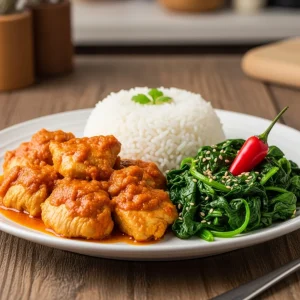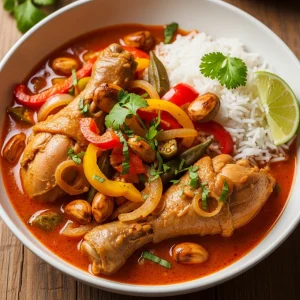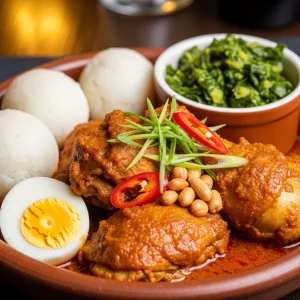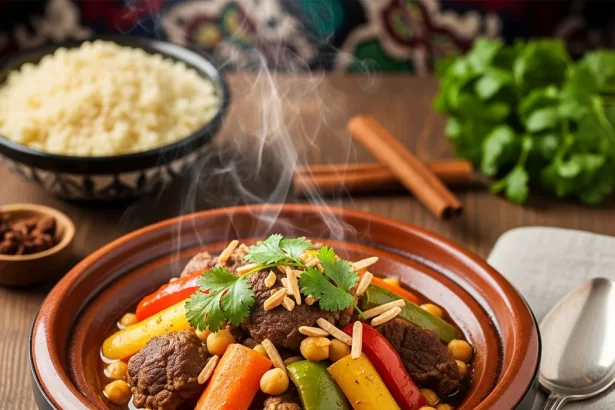

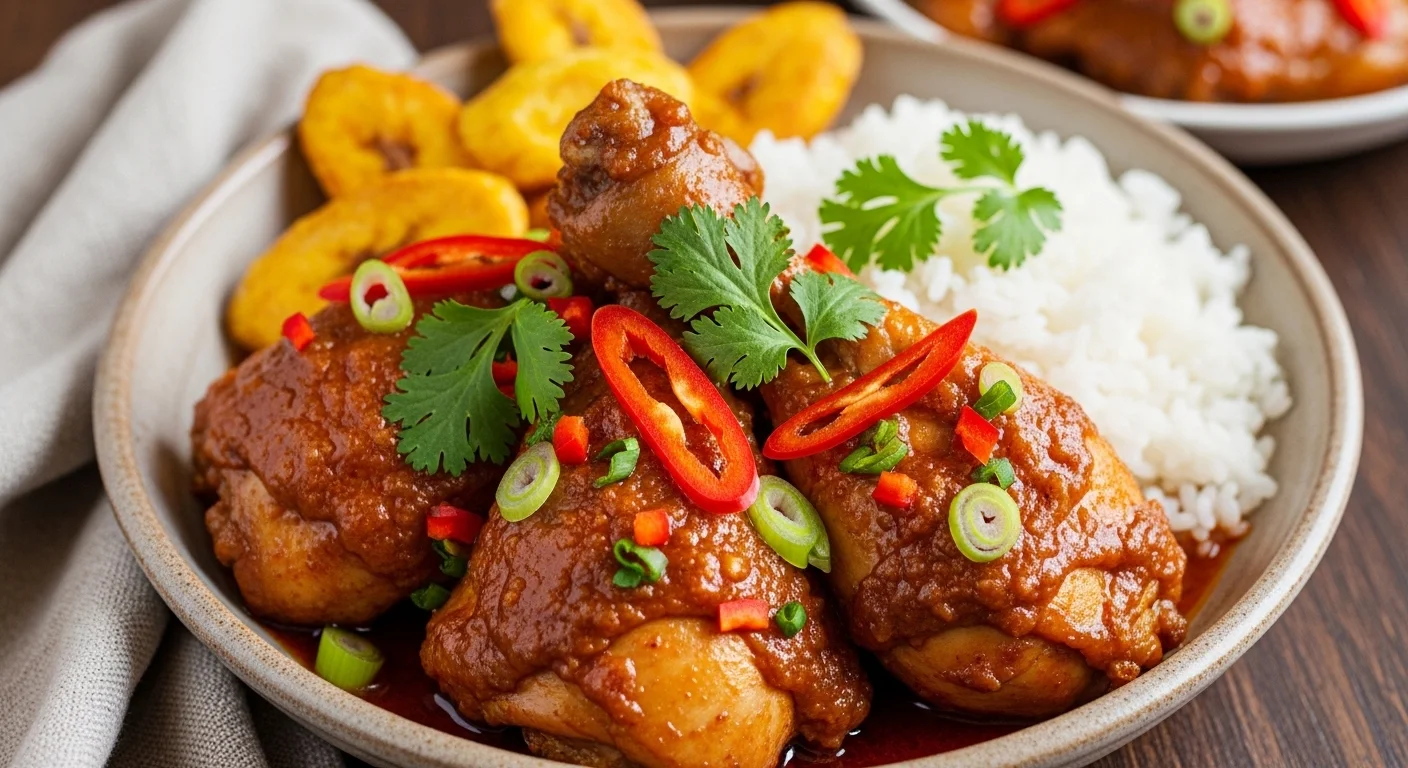
Nestled within the vibrant culinary tapestry of Africa lies a dish that embodies the continent’s rich heritage and bold flavors: Moambe Chicken. Often hailed as a gastronomic treasure, this savory stew brings together tender chicken simmered in a luscious sauce made from palm nuts, spices, and aromatic ingredients that tell stories of tradition and community. From bustling markets to family tables, Moambe Chicken is more than just a meal, it’s a festivity of Africa’s diverse cultures and a testament to its time-honored cooking techniques. Join us as we delve into the origins, ingredients, and enduring appeal of this remarkable dish that continues to captivate palates worldwide.
Moambe Chicken is a beloved culinary treasure that originates from the heart of Central Africa, particularly celebrated in countries like the Democratic Republic of Congo, Angola, and Gabon. This vibrant stew, rich in history and cultural nuance, marries the earthy, tangy taste of palm nut sauce with tender chicken, creating a harmonious explosion of flavour. My first encounter with Moambe Chicken was at a lively family gathering in Kinshasa, where its deep reddish hue and aromatic spices instantly invited everyone around the table. What makes this dish truly special is not just its sumptuous taste but the way it encapsulates community, heritage, and the bountiful resources of African land.
Prep and Cook Time
- Readiness: 20 minutes
- Cooking: 1 hour 15 minutes
- Total Time: 1 hour 35 minutes
Yield
- serves 4 to 6 people
difficulty Level
- Medium – Perfect for home cooks ready to explore authentic African cuisine
Ingredients
- 1 whole chicken (about 3 to 4 lbs), cut into pieces
- 2 cups palm nut concentrate (moambe paste or canned palm nut sauce)
- 1 large onion, finely chopped
- 3 garlic cloves, minced
- 1 tbsp fresh ginger, grated
- 2 medium tomatoes, diced
- 1-2 Scotch bonnet peppers (whole or chopped for heat)
- 1/4 cup peanut butter (smooth and unsweetened)
- 3 tbsp palm oil (substitute with refined vegetable oil if unavailable)
- 2 cups chicken stock
- 2 sprigs fresh thyme
- Salt and black pepper, to taste
- Fresh cilantro or parsley for garnish
Instructions
- Prepare the chicken: Rinse and pat the chicken pieces dry. Season generously with salt and pepper. Set aside.
- Sauté aromatics: Heat palm oil in a large heavy-bottomed pot over medium heat. Add the chopped onions and sauté until translucent and golden brown, about 7-8 minutes. Stir frequently to prevent burning.
- Add garlic, ginger, and peppers: Stir in minced garlic, grated ginger, and Scotch bonnet peppers, cooking for another 2 minutes until fragrant.
- Brown the chicken: Add chicken pieces to the pot. Brown evenly on all sides, about 10 minutes. This step locks in moisture and adds rich flavor.
- Incorporate tomatoes and moambe: Mix in diced tomatoes and pour in the palm nut concentrate. Stir well to coat the chicken thoroughly with the deep red sauce.
- Add peanut butter and stock: Stir in the peanut butter until smooth. Then pour in chicken stock, just enough to cover the chicken halfway. Toss in the fresh thyme sprigs.
- Simmer gently: Reduce heat to low, cover partially, and let simmer for 45 minutes to 1 hour. Stir occasionally to keep the sauce creamy and prevent sticking, until the chicken is tender and the sauce thickens to a luscious consistency.
- Finish and season: Remove thyme sprigs, adjust salt and pepper to taste. For an extra glossy finish, drizzle a teaspoon of palm oil over the top just before serving.
Tips for Perfecting Moambe Chicken at Home to Capture Its True Essence
- Authentic ingredients: Seek out genuine palm nut concentrate or moambe paste, this is the soul of the dish. African or specialty food stores often carry it frozen or canned.
- Control the heat: Use Scotch bonnet peppers whole if you prefer subtle warmth, or chop them for more intense spice.
- Peanut butter alternatives: Traditional recipes frequently enough incorporate crushed groundnuts, using natural peanut butter replicates that creamy nuttiness effortlessly.
- Slow and steady cooking: Allowing the chicken to simmer gently ensures tender meat and a rich, velvety sauce.
- Make ahead: Moambe Chicken’s flavors deepen beautifully overnight, so consider making it a day in advance and reheating gently.
Pairing Moambe Chicken with Complementary Sides and Beverages
Traditional accompaniments elevate the Moambe Chicken experience. Serve it alongside fufu, a soft, dough-like side made from cassava or plantain, or with steamed rice to soak up the luscious sauce. For the adventurous, fried plantains provide a caramelized sweetness that contrasts delightfully with the spicy stew.
Serving Suggestions
- Plate the chicken pieces atop a mound of fluffy white rice or hand-pulled fufu for visual and textural contrast.
- Garnish with freshly chopped cilantro or parsley to add a fresh burst of color and aroma.
- Accompany the dish with slices of fried plantains or a simple green vegetable side such as sautéed spinach or kale.
- Present in vibrant, communal bowls to honor the dish’s tradition of shared meals and storytelling.
| Nutrient | Per Serving |
|---|---|
| Calories | 480 kcal |
| Protein | 38 g |
| Carbohydrates | 12 g |
| Fat | 28 g |
Explore more vibrant African meals in our African Stew Recipes collection, perfect for expanding your culinary horizons.
Learn about the cultural roots of palm nuts and their significance in African cuisines on Encyclopedia Britannica.
Q&A
Q&A: Moambe Chicken – Africa’s Rich and Flavorful Culinary Gem
Q1: What is Moambe Chicken?
A1: Moambe Chicken is a traditional African dish celebrated for its rich, creamy, and deeply flavorful sauce. Originating mainly from Central Africa, especially the Congo Basin, it combines tender chicken with moambe, a sauce made from the pulp of African palm fruit-infused with spices, garlic, onions, and sometimes peanuts, creating a savory, slightly tangy, and utterly comforting meal.
Q2: Why is Moambe Chicken considered a culinary gem of Africa?
A2: Moambe Chicken captures the essence of African cooking: vibrant flavors, diverse local ingredients, and centuries-old tradition. It’s more than just a dish-it’s a cultural symbol that reflects the land’s bounty and ingenuity, offering a taste experience both unique and deeply satisfying, making it a treasured recipe passed down through generations.
Q3: What ingredients give Moambe Chicken its distinct flavor?
A3: The heart and soul of Moambe Chicken is the moambe sauce itself, made from African palm fruit pulp, which gives a luscious texture and a subtly sweet, earthy flavor. Complemented by garlic, onions, tomatoes, chili peppers, and sometimes peanuts or peanut butter, these ingredients meld beautifully with the chicken, balancing richness, heat, and umami.
Q4: how is Moambe Chicken traditionally prepared?
A4: Traditionally, chicken pieces are first browned to seal in juices, then simmered slowly in the moambe sauce with sautéed aromatics and spices. The slow cooking allows the sauce to thicken and the flavors to meld. It’s frequently enough served over rice, plantains, or fufu-a starchy side made from cassava or yams-making it a hearty, complete meal.
Q5: Are there variations of Moambe Chicken across Africa?
A5: Yes! While the Congolese version is the most renowned, other Central African countries and even regions beyond have their own twists. Some versions use more peanuts for added creaminess; others incorporate different spices or cook the chicken whole versus in pieces. Each variation tells a regional story,showcasing local tastes and available ingredients.
Q6: What makes Moambe Chicken a good dish for sharing?
A6: Moambe Chicken’s warm, rich sauce and hearty chicken pieces naturally bring people to the table, fostering communal dining.It’s traditionally served in generous portions meant for family gatherings or celebrations, embodying the African spirit of hospitality and togetherness.
Q7: Can Moambe Chicken be enjoyed by those unfamiliar with African cuisine?
A7: Absolutely! Moambe Chicken offers a flavor profile that is both exotic and approachable. Its creamy, savory sauce with gentle spice levels provides a comforting entry point into African cuisine, inviting adventurous eaters to explore and appreciate the continent’s diverse culinary landscape.
Q8: Where can one find authentic Moambe Chicken outside Africa?
A8: Authentic Moambe Chicken is increasingly making its way to global kitchens. African restaurants, particularly those specializing in Central African or Congolese cuisine, often present this dish. Additionally, food festivals and specialty markets may feature it, and for the home chef, palm fruit pulp or canned substitutes can bring this gem into your own kitchen.
Q9: How does Moambe Chicken reflect African culinary traditions?
A9: Moambe Chicken embodies African traditions through its use of indigenous ingredients like palm fruit and cassava, its communal style of eating, and its reliance on slow-cooked, layered flavors. It highlights the importance of resourcefulness, cultural storytelling through food, and the connection between people and the land.
Q10: Why should food lovers make Moambe chicken a part of their culinary repertoire?
A10: For food lovers seeking dishes that are both soulful and steeped in heritage, Moambe Chicken offers an unforgettable experience. It’s a celebration of Africa’s rich agricultural diversity and culinary creativity, a dish that nourishes not just the body but also curiosity and cultural appreciation. Trying Moambe Chicken is like tasting a delicious piece of Africa’s heart.
In Summary
From the vibrant markets of Kinshasa to the lively kitchens of Luanda, Moambe Chicken stands as a lovely testament to Africa’s rich culinary heritage. This dish, with its deep, smoky flavors and velvety palm nut sauce, invites you not just to taste a meal, but to experience a story steeped in tradition, community, and celebration. Whether you’re a seasoned foodie or a curious explorer, embracing Moambe Chicken means savoring more than just food, it’s an invitation to connect with the heart and soul of Africa’s diverse cultures. So next time you seek a dish that’s both richly flavorful and deeply meaningful, let Moambe Chicken be your delicious gateway to this extraordinary continent’s culinary treasures.