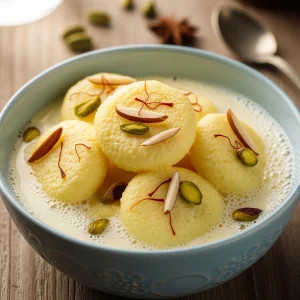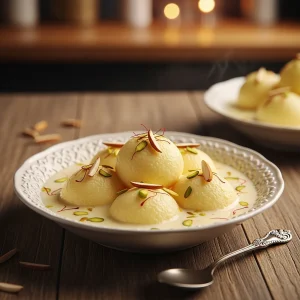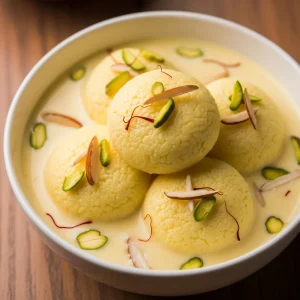

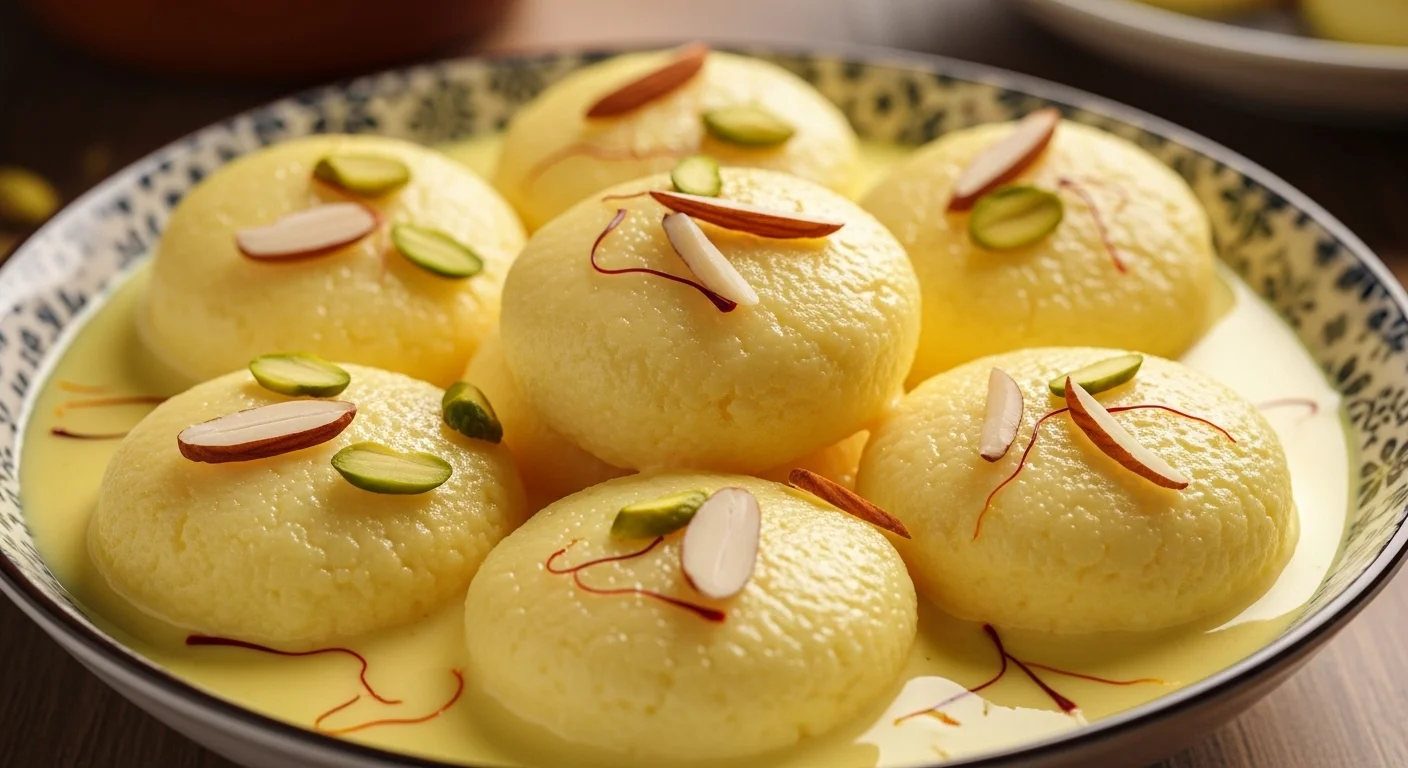
in the vibrant tapestry of Indian sweets, few desserts evoke as much nostalgia and delight as Rasmalai. This luscious treat, with its soft, spongy cheese patties drenched in fragrant, cardamom-infused milk, offers a symphony of textures and flavors that dance on the palate. More than just a dessert, Rasmalai embodies centuries of culinary craftsmanship, cultural celebrations, and regional pride. Join us as we dive into the creamy world of this iconic Indian sweet, exploring its rich history, unique preparation, and the irresistible charm that makes Rasmalai a beloved indulgence across the subcontinent and beyond.
Rasmalai: Exploring the creamy delight of Indian Sweets
Rasmalai, a beloved gem in the world of Indian desserts, captures hearts with its delicate texture and heady aroma. Rooted deeply in Indian traditions, this honeyed, milk-soaked treat combines soft, spongy chenna (Indian cottage cheese) patties soaked in a fragrant saffron-infused milk syrup. The origins of Rasmalai trace back to Bengal, where culinary artistry transformed humble ingredients into an indulgent dessert that graces every festive table. Its creamy richness paired with subtle hints of cardamom and rose water makes it truly unforgettable-and now, you can bring this silky delight into your own kitchen.
Prep and Cook time
- Preparation: 40 minutes
- Cooking: 30 minutes
- Total Time: 1 hour 10 minutes
Yield
Serves 6 generously
Difficulty Level
Medium – requires attention but rewarding for home cooks
The Art of Crafting Rasmalai: Ingredients and Preparation Techniques Explained
At the heart of marvelous Rasmalai is fresh chenna, which must be soft and crumbly, yet firm enough to hold shape when formed into discs. The milk syrup simmers gently with fragrant spices and nuts, allowing every bite to melt into a blissful balance of flavors and creaminess. Using high-quality, full-fat whole milk and fresh ingredients is key.
- 1 gallon full-fat whole milk (for chenna and milk syrup)
- 3 tablespoons lemon juice or white vinegar (to curdle milk for chenna)
- 1 cup granulated sugar, divided
- 1/2 teaspoon cardamom powder
- A pinch of saffron strands (soaked in 2 tablespoons warm milk)
- 2 tablespoons rose water (optional but authentic)
- 1/4 cup chopped pistachios (for garnish)
- 1/4 cup sliced almonds (for garnish)
Instructions
- Prepare the Chenna: Bring the gallon of milk to a gentle boil in a heavy-bottomed pot. Stir occasionally to prevent scorching.
- Once boiling, turn off the heat, and slowly add lemon juice while stirring gently. The milk will curdle, separating into curds and whey.
- Drain through a muslin cloth, rinsing with cold water to remove lemony taste. Hang the cloth for 30 minutes to drain excess water, ensuring chenna remains moist but not wet.
- make the Rasgulla Dough: Transfer chenna to a large bowl. Knead with palm pressure for 8-10 minutes until smooth and pliable without lumps.
- Divide the dough into smooth balls slightly larger than a ping-pong ball. Flatten gently into discs, ensuring no cracks.
- Cook Chenna Patties: in a wide pot, dissolve 1/2 cup sugar in 4 cups water. Bring to boil and carefully drop the patties in. Cover and simmer for 12-15 minutes; they will puff up slightly.
- Remove patties with a slotted spoon, and submerge instantly in cold water to keep them soft. Set aside.
- Prepare the Flavored Milk (Ras): Boil remaining milk in a wide pan, stirring frequently to avoid sticking. Reduce to about half the volume until creamy and thickened naturally.
- Add remaining 1/2 cup sugar, cardamom powder, soaked saffron, and rose water. Stir gently, then turn off heat.
- Carefully transfer the chenna discs to the warm milk syrup. Let soak for at least 2 hours in the refrigerator, allowing them to absorb the aromatic milk.
- Garnish and Serve: Sprinkle with chopped pistachios and almonds just before serving for a textured crunch and vibrant color contrast.
Chef’s Notes: Tips for Success with Rasmalai
- Use fresh, full-fat milk for the richest texture. Avoid UHT or ultra-pasteurized milk as it curdles poorly.
- Kneading the chenna well is essential to avoid crumbling patties and maintain softness.
- Don’t skimp on soaking time; chilling enhances the infusion of flavors and texture.
- For vegan Rasmalai, try substituting dairy milk with rich coconut milk, but expect a slightly different taste.
- If you prefer a thicker Ras, reduce milk more or add a tablespoon of condensed milk to sweeten and enrich.
Serving Suggestions
Serve Rasmalai chilled in small bowls or conventional terracotta cups for authenticity. garnish with shining silver vark (edible foil) for a festive touch and a sprinkle of dried rose petals for aromatic elegance. Complement this creamy dessert with a cup of warm saffron chai or light rose-flavored falooda to create a memorable Indian sweet indulgence.
| Nutritional Info (per serving) | Amount |
|---|---|
| Calories | 240 kcal |
| Protein | 7 g |
| Carbohydrates | 28 g |
| Fat | 10 g |
For a deeper dive into Indian sweets and their cultural stories, explore our Comprehensive Guide to Indian Sweets. To understand the science behind chenna preparation, visit this informative guide at ScienceDirect on Indian Cheese Curdling.
Q&A
Q&A: Rasmalai – Exploring the Creamy Delight of Indian Sweets
Q1: What exactly is rasmalai?
A1: Rasmalai is a beloved Indian dessert that features soft, spongy cheese patties, known as rasgullas, soaked in a luxuriously creamy, cardamom-infused milk syrup. The dish is a heavenly blend of texture and flavor, celebrated for its delicate sweetness and rich aroma.
Q2: Where did Rasmalai originate?
A2: Rasmalai’s origins trace back to the eastern regions of India, particularly Bengal. This dessert is a testament to Bengali culinary artistry, where fresh chenna (Indian cottage cheese) is transformed into a melt-in-the-mouth delicacy paired with thickened milk brimming with fragrant spices.
Q3: What makes Rasmalai different from other Indian sweets?
A3: unlike many Indian sweets that focus on sugar and nuts, Rasmalai stands out for its creamy, milky base and the soft texture of its cheese rounds. The subtlety of cardamom, the splash of saffron, and sometimes a hint of rose water make it not just a dessert, but a sensory experience, both refreshing and indulgent.
Q4: How is Rasmalai traditionally prepared?
A4: Traditionally, fresh chenna is kneaded to a smooth dough and shaped into flat discs. These are gently boiled in sugar syrup until they puff up and become soft. Separately, milk is simmered slowly with cardamom, saffron, and sugar until it thickens into a luscious rabri. The cheese discs are then soaked in this aromatic milk, allowing the flavors to meld beautifully.
Q5: Are there any variations of Rasmalai?
A5: Absolutely! While the classic version remains most popular, variations abound. Some recipes incorporate nuts like pistachios or almonds for added crunch.Others experiment with flavor infusions such as rose water or kewra essence. In some regions, the shape of the cheese patties changes, or the milk is enriched with cream or condensed milk for an extra decadence.
Q6: When is Rasmalai typically enjoyed?
A6: Rasmalai is a festive favorite, commonly savored during celebrations like Diwali, Holi, and weddings. But its delightful balance of sweetness and creaminess makes it a perfect ending to any special meal-or a luxurious treat on its own.
Q7: Can Rasmalai be made at home?
A7: Yes! Though time-consuming, homemade Rasmalai is definitely achievable. With patience and quality ingredients, you can recreate this elegant sweet in your own kitchen. The key lies in making fresh chenna and patiently preparing the spiced milk to get that authentic taste and texture.
Q8: What makes Rasmalai so beloved across India and beyond?
A8: Rasmalai’s worldwide appeal lies in its harmonious blend of simplicity and sophistication. It’s light yet rich, sweet but subtle, creamy but airy, a rare symphony of contrasts that pleases the palate and warms the heart. This makes it not just a dessert, but a cultural icon treasured by sweet lovers worldwide.
To Conclude
As we wrap up our journey through the luscious layers of Rasmalai, it’s clear that this creamy delight is much more than just a sweet treat, it’s a celebration of tradition, culture, and the art of Indian confectionery. From the delicate, spongy cheese discs soaked in fragrant, cardamom-infused milk to the subtle hints of saffron and rose that dance on the palate, Rasmalai embodies the perfect harmony of flavor and texture. Whether enjoyed at festive gatherings or as a simple indulgence, this iconic sweet continues to captivate hearts around the world, inviting us all to savor a little piece of India’s rich culinary heritage-one silky bite at a time.