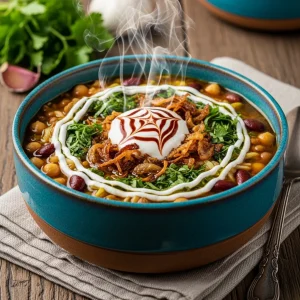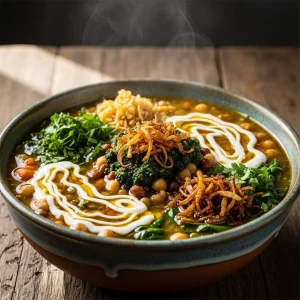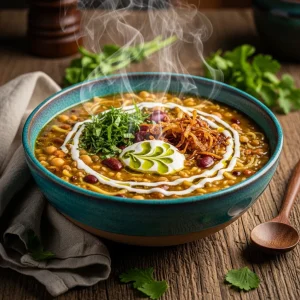

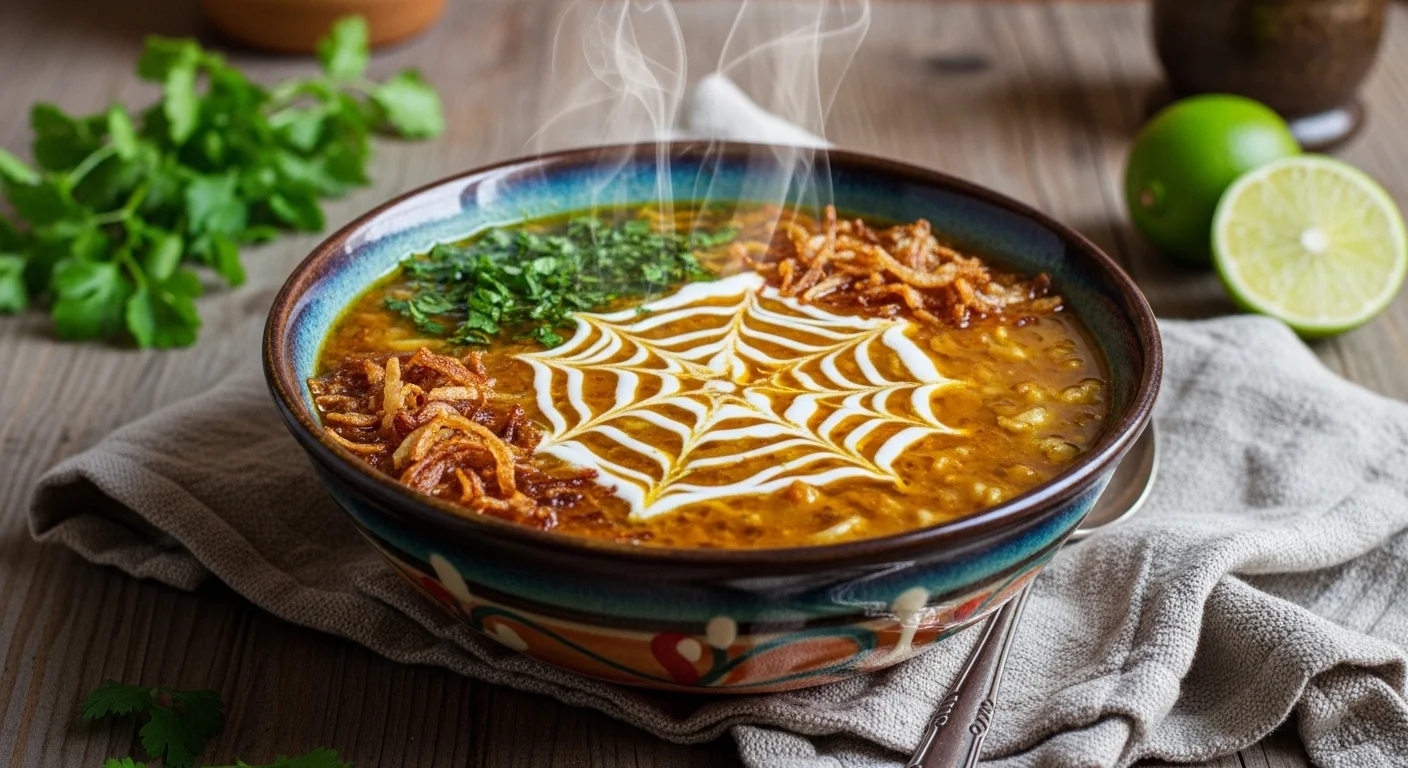
In the heart of Persian cuisine lies a culinary treasure that warms both the soul and the senses, Ash Reshteh, a hearty noodle soup brimming with tradition, flavor, and history. Often served during festive gatherings and family celebrations, this vibrant dish weaves together a rich tapestry of herbs, legumes, tender noodles, and tangy whey, inviting food lovers to explore the depths of Iran’s gastronomic heritage. Join us as we unveil the story behind Ash Reshteh, uncovering the flavors and cultural importance that make this humble soup a beloved delight across generations.
Ash Reshteh Unveiled takes you on a flavorful journey into one of Persia’s most cherished noodle soups, celebrated for its rich history and vibrant cultural significance. This hearty, aromatic dish is more than comfort food; it is a symbol of community, festivity, and nourishing warmth in Iranian households. Traditionally served during Persian New Year (Nowruz) and special gatherings, Ash Reshteh blends wholesome legumes, fresh herbs, and tender noodles into a tapestry of taste that reflects centuries of culinary heritage. As you follow this guide, you’ll unlock the secret ingredients and expert techniques that make this soup unforgettable and approachable to craft right in your own kitchen.
Prep and Cook Time
- Readiness: 20 minutes
- Cooking: 1 hour 30 minutes
- Total Time: 1 hour 50 minutes
Yield
Serves 6-8 generous portions, perfect for sharing with family and friends.
Difficulty Level
Medium - Ideal for home cooks comfortable with simmering and layering flavors, but detailed enough for beginners eager to explore Persian cuisine.
Ingredients
- 1 cup dried chickpeas, soaked overnight and drained
- 1 cup dried lentils, rinsed
- 1 cup dried kidney beans, soaked overnight and drained
- 1 large onion, finely diced
- 3 cloves garlic, minced
- 1/2 cup fresh parsley, chopped
- 1/2 cup fresh cilantro, chopped
- 1/2 cup fresh dill, chopped
- 1/2 cup fresh chives or green onions, chopped
- 200g reshteh noodles (Persian noodles) or substitute with thin egg noodles
- 1 tsp turmeric powder
- Salt and freshly ground black pepper, to taste
- 2 tbsp vegetable oil
- 1/4 cup kashk (fermented whey) – essential for authentic tangy depth; alternatively, sour cream mixed with lemon juice
- 2 dried mint leaves bags (or 2 tbsp dried mint) crushed
- Optional garnishes: fried onions, extra kashk, fresh mint leaves, and crushed walnuts
Instructions
- Cook the legumes: In a large pot, combine the soaked chickpeas, lentils, and kidney beans with 8 cups of water.Bring to a boil, then reduce to a simmer. Cook uncovered until tender, about 1 hour. Skim any foam from the top to keep the broth clear.
- Prepare the onion and garlic base: While the legumes cook, heat 2 tbsp vegetable oil in a skillet over medium heat. Add the finely diced onions and sauté until golden brown, about 10-12 minutes. Add the minced garlic and turmeric powder; cook for an additional 2 minutes, stirring constantly to release aroma.
- Add herbs and flavor: Chop parsley, cilantro, dill, and chives finely.Add half of the herbs and the sautéed onion-garlic mixture to the pot with the cooked legumes. Reserve the remaining herbs for garnish and stirring at the end.
- Incorporate noodles: break the reshteh noodles into smaller pieces and add them to the simmering soup.Stir gently to prevent clumping. Cook until noodles are soft but intact, about 10 minutes.
- Season the soup: Add salt and pepper to taste. Remove a small pan, heat a little oil, and gently fry the dried mint until fragrant, about 1 minute. Add the fried mint into the pot, stirring well.
- Finish with kashk: stir in the kashk slowly, blending it thoroughly to add a unique tang and creamy texture.Adjust seasoning if needed and cook for an additional 5 minutes on low heat.
- Final touches: Just before serving, fold in the reserved fresh herbs to brighten the flavors and add freshness to this hearty soup.
Tips for Success
- Soaking legumes: Don’t skip soaking chickpeas and kidney beans overnight to reduce cooking time and improve digestibility.
- Kashk substitute: If you cannot find kashk, a mix of sour cream with a splash of lemon juice can mimic its tangy flavor.
- Herbs freshness: Use fresh herbs for the best vibrant flavor and add some at the end for a burst of colour and aroma.
- noodle choice: Traditional reshteh noodles offer authenticity, but thin egg noodles or linguine can be excellent stand-ins.
- make-ahead: Ash Reshteh often tastes better the next day as flavors meld; reheat gently, adding water or broth if it thickens too much.
Serving Suggestions
Serve Ash Reshteh in deep bowls, generously drizzling with extra kashk and garnishing with crispy fried onions, fresh mint leaves, and crushed walnuts for added texture and depth. Pair with warm barbari or sangak bread to scoop up every comforting spoonful. For a festive touch, accompany with a side of pickled vegetables or torshi to balance the soup’s richness.
| Nutrient | Per Serving |
|---|---|
| Calories | 320 kcal |
| protein | 16 g |
| Carbohydrates | 45 g |
| Fat | 6 g |
For those inspired to dive deeper into Persian culinary treasures, explore our complete Persian herb soup recipes collection. To better understand kashk’s fermentation process and cultural role, check out this Britannica article on Kashk.
Q&A
Q&A: Ash Reshteh Unveiled – Persia’s Hearty Noodle Soup Delight
Q1: What is Ash Reshteh?
A: Ash Reshteh is a traditional Persian noodle soup, renowned for its thick, hearty texture and vibrant flavors. It’s a comforting concoction brimming with herbs, legumes, noodles (reshteh), and topped with kashk, a tangy fermented whey that gives the dish its distinctive zing. Often enjoyed during gatherings and special occasions, it’s a beloved staple that warms both body and soul.
Q2: Where does ash Reshteh originate from?
A: Ash Reshteh hails from Persia, modern-day Iran, where it’s been cherished for centuries.The dish reflects persia’s rich culinary heritage, with each ingredient telling a story of the region’s agricultural bounty and cultural traditions.
Q3: What ingredients make Ash Reshteh special?
A: The magic of Ash Reshteh lies in its harmonious blend of herbs like parsley, cilantro, and dill; legumes such as lentils, chickpeas, and kidney beans; and reshteh noodles-thin, ribbon-like strands symbolic of life’s twists and turns. The finishing touch is a drizzle of kashk, roasted onions, and sometimes fried mint, creating layers of flavor that dance on the palate.
Q4: How is Ash Reshteh traditionally served?
A: Typically served piping hot, Ash Reshteh is spooned into deep bowls and garnished lavishly with kashk, crispy fried onions, and fresh herbs. It’s both a meal and a ritual, frequently enough shared during Persian new Year (Nowruz) celebrations or chilly winter days, embodying warmth and community spirit.
Q5: What makes Ash Reshteh different from other soups?
A: Unlike many soups, Ash Reshteh is thick enough to be eaten with a spoon, and sometimes even a fork! Its complex layering of legumes, herbs, and noodles creates a hearty stew-like consistency. Plus, the unique addition of kashk adds a tangy creaminess that sets it apart from typical noodle soups worldwide.
Q6: Can Ash Reshteh be adapted for modern tastes or dietary needs?
A: Absolutely! While traditional recipes hold a special place, cooks today frequently enough adapt Ash Reshteh to suit vegan diets by using plant-based kashk alternatives, or tweak herb combinations to experiment with new flavors. It’s a versatile dish that bridges history and contemporary culinary creativity.
Q7: Why is Ash Reshteh considered a symbol of Persian culture?
A: Ash Reshteh is more than just food-it’s a celebration of Persian identity, embodying centuries of tradition, hospitality, and the art of combining fresh, wholesome ingredients into a soul-nourishing feast. Sharing Ash Reshteh is an act of connection, inviting all to partake in the warmth of Persian heritage.
Q8: Where can someone experience authentic Ash Reshteh outside Iran?
A: Many Persian restaurants around the globe proudly feature Ash Reshteh on their menus, especially during seasonal celebrations. For those adventurous cooks, homemade preparation is highly rewarding and accessible, frequently enough guided by family recipes or contemporary persian cookbooks available worldwide.
Q9: What is the significance of noodles (reshteh) in Ash Reshteh?
A: Reshteh noodles are more than just an ingredient, they symbolize the threads of life and destiny in Persian culture. Including them in Ash Reshteh is a tradition believed to bring good fortune and new beginnings, especially when enjoyed during Nowruz, the Persian New Year.
Q10: How does Ash Reshteh reflect the spirit of Persian cuisine?
A: Ash Reshteh beautifully encapsulates Persian cuisine’s emphasis on balance, freshness, and depth. It combines simple, earthy ingredients into a flavorful harmony that’s both nourishing and celebratory, a true culinary poem reflecting Persia’s history, landscape, and soul.
In Retrospect
As the steam rises from a bowl of Ash Reshteh, so too does a centuries-old story of Persian culture, warmth, and community. More than just a hearty noodle soup, Ash Reshteh is a flavorful mosaic of ingredients and traditions, each spoonful inviting you to savor the rich tapestry of Persia’s culinary heritage. Whether enjoyed during festive gatherings or as a comforting meal on a cool day, this beloved dish continues to nourish both body and soul, reminding us that sometimes, the simplest ingredients can tell the most profound stories. So next time you crave a taste of history wrapped in aromatic broth, let ash Reshteh be your appetizing gateway to the heart of Persia.