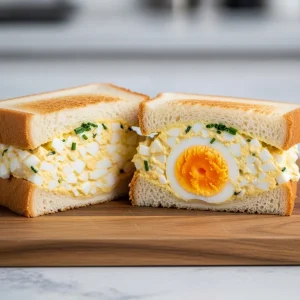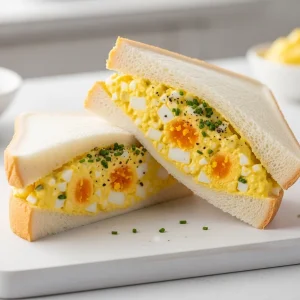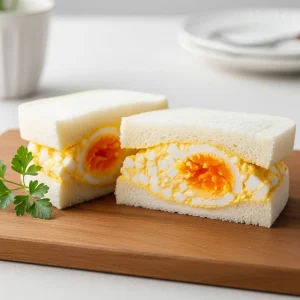

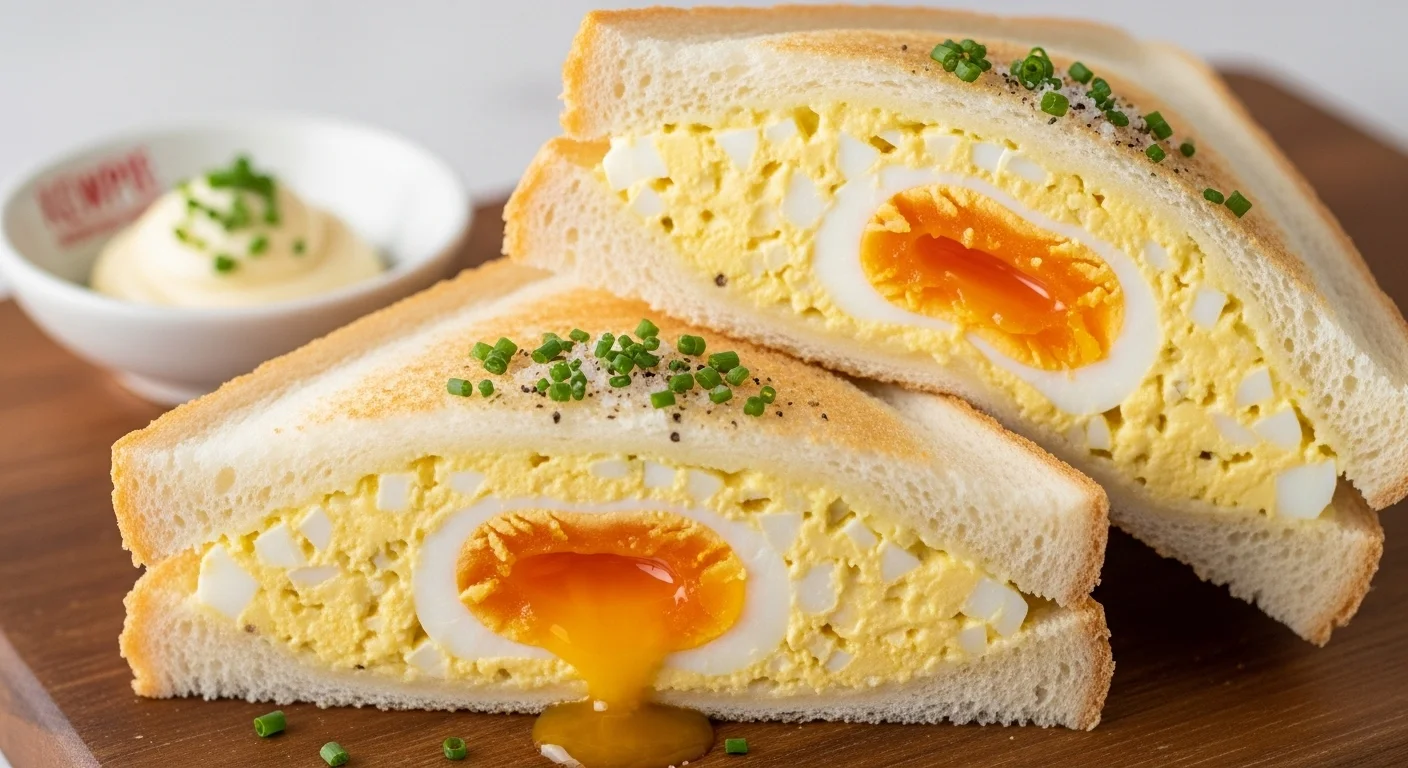
In the vibrant world of Japanese cuisine, where simplicity meets precision, the humble egg sandwich stands as a beloved icon of comfort and craft. Known for its irresistibly fluffy texture and rich, creamy filling, the Japanese egg sandwich transforms everyday ingredients into a masterpiece of taste and texture. This culinary delight, or “tamago sando”, invites both aficionados and curious food lovers to explore the delicate balance of softness and savoriness that defines its charm. Join us as we delve into the art behind these cloud-like sandwiches, unpacking the secrets, techniques, and cultural nuances that elevate a simple egg sandwich into a sublime experience.
Fluffy & Creamy: The Art of Japanese Egg sandwiches
Fluffy & Creamy: The Art of Japanese Egg Sandwiches is a delightful journey into the heart of Japan’s beloved tamago sando. This sandwich is renowned for its ethereal egg filling, the result of a delicate balance between softness and creaminess paired with the pillowy embrace of perfectly chosen bread. Whether enjoyed for breakfast or as a nostalgic snack, the magic lies in crafting that signature soft, airy bite that melts in your mouth with every bite.
Prep and Cook Time
- Planning: 15 minutes
- Cooking: 10 minutes
- total Time: 25 minutes
Yield
Serves 2 sandwiches (approximately 4 halves)
Difficulty Level
Easy to Medium – requires simple techniques but attention to layering and texture
The Science Behind the Perfect Fluffy Egg Filling
The foundation of achieving that unmistakable fluffy & creamy egg filling lies in gently cooking the eggs at a low temperature while introducing a touch of dairy for richness. Whisking eggs thoroughly incorporates air, creating tiny bubbles that expand during gentle cooking, ensuring a cloud-like texture. Lightly seasoning right before cooking prevents the eggs from becoming watery or tough. Adding mayonnaise into the mixture after cooking not only enhances creaminess but also provides a luscious mouthfeel that contrasts beautifully against the soft egg curds.
Choosing the Ideal Bread for Creamy Texture and Balance
White shokupan (Japanese milk bread) is celebrated for its ultra-soft crumb and slight sweetness, which partner perfectly with the creamy egg filling.its delicate structure but slight density prevents sogginess, offering a tender yet supportive bite. When selecting bread, look for slices that are thick and fresh but not overly crusty. This balance allows the sandwich’s textural harmony to shine-soft bread cushions the fluffy filling, creating that iconic melt-in-the-mouth experience.
Mastering the Art of Layering Flavors and textures
Beyond egg and bread, the subtle layering of seasoning is essential. A hint of salt and white pepper elevates the egg’s natural taste. The mayonnaise offers gentle acidity and richness, but a whisper of dijon mustard adds complexity without overpowering. When assembling, spreading mayonnaise evenly on the bread establishes a moisture barrier and flavor base. The egg filling should be spread generously but carefully to avoid tearing the bread.Pressing down slightly locks the sandwich together, so each bite delivers the perfect unified flavor and texture.
Essential Tips for Achieving Japan’s Signature Soft and Airy Bite
- use room temperature eggs and dairy for seamless mixing and cooking.
- Cook eggs slowly over low heat, stirring continuously but gently to avoid overcooking.
- Choose fresh, thick-cut shokupan or a similar milk bread to support the filling.
- chill the filling slightly before assembling if possible, for better spreadability.
- Wrap sandwiches tightly in plastic wrap and rest for 10 minutes to marry flavors.
Ingredients
- 4 large eggs (room temperature)
- 2 tbsp Japanese mayonnaise (Kewpie recommended)
- 1 tbsp whole milk or heavy cream
- ½ tsp sugar
- ¼ tsp salt
- Pinch white pepper
- 4 slices thick shokupan (Japanese milk bread)
- Optional: ½ tsp Dijon mustard for subtle tang
Instructions
- Prepare your workspace. Lightly coat a non-stick skillet with butter or neutral oil and set heat to low.
- Whisk eggs gently. in a bowl, combine eggs, milk, sugar, salt, and white pepper. Whisk until fully blended but not frothy.
- Cook eggs slowly. Pour egg mixture into the skillet. Stir constantly and gently with a silicone spatula, scraping the pan’s edges. Cook until soft curds form but eggs remain moist and fluffy (about 4-5 minutes).
- Remove from heat and fold in mayonnaise. Gently fold the mayonnaise through the eggs, creating creamy lumps without breaking egg curds.
- Let the filling cool briefly. Transfer egg filling to a bowl and allow to cool slightly for easier spreading.
- Prepare the bread. lightly toast if preferred (optional), then spread an even layer of mayonnaise (and dijon mustard if using) on one side of each slice.
- Assemble the sandwich. Generously spread the egg filling over two slices of bread, then top with remaining slices, mayonnaise side down.
- Seal and rest. Wrap sandwiches tightly in plastic wrap and refrigerate for 10 minutes to let the flavors meld and the bread soften.
- Slice and serve. Cut the sandwich gently into halves or thirds and serve immediately for the best soft and creamy bite experience.
Chef’s Notes
- Option fillings: Softly mashed avocado or thin smoked salmon can elevate the sandwich without overpowering the egg’s delicate flavor.
- Dietary substitutions: Use vegan mayo and plant-based milk for a dairy-free version with similar creaminess.
- Make-ahead tip: Egg filling can be stored in an airtight container in the refrigerator for up to 24 hours. Stir gently before assembling.
- Texture troubleshooting: If eggs seem watery, reduce the milk slightly or cook a bit longer over low heat until excess liquid evaporates.
Serving Suggestions
Pair these sandwiches with a light green tea or a refreshing citrus soda for contrast. Garnish with finely chopped chives or shiso leaves for a fresh herbal note. Serve alongside crisp pickled cucumber or a simple salad dressed with sesame oil to enhance the flavors. For a cozy brunch, include miso soup or a side of edamame for texture contrast and umami balance.
| Nutrient | Amount per Sandwich |
|---|---|
| Calories | 320 kcal |
| Protein | 14 g |
| Carbohydrates | 30 g |
| Fat | 15 g |
For those curious about other Japanese comfort foods, explore our guide to authentic miso soup recipes. Additionally, for science-backed techniques in egg cooking, Serious Eats offers an expert breakdown on perfect scrambled eggs-an essential reference for mastering the fluffy & creamy texture.
Q&A
Q&A: Fluffy & Creamy – The Art of Japanese egg Sandwiches
Q1: What makes Japanese egg sandwiches so uniquely fluffy and creamy?
A1: The magic lies in the eggs themselves and the method of preparation. Japanese egg sandwiches, or tamago sando, typically use a combination of softly boiled or steamed eggs mixed with mayonnaise to create a rich, velvety filling. The eggs are frequently enough whipped or gently mashed to maintain a light, airy texture, think clouds of savory cream nestled between slices of pillowy white bread.
Q2: How is the bread different from ordinary sandwich bread?
A2: The bread used in tamago sando is often shokupan, a Japanese milk bread known for its ultra-soft, slightly sweet crumb and tender crust. This bread is not just a vessel, it enhances the sandwich’s overall experience by adding a delicate fluffiness that complements the creamy egg filling perfectly.
Q3: Is there a secret to achieving the ideal egg salad for these sandwiches?
A3: Absolutely. The secret lies in balance and subtlety. Use high-quality Japanese mayonnaise for its umami and mild tang, and season gently with salt and a hint of sugar or dashi for depth. Some chefs also fold in a bit of heavy cream or yogurt to elevate the creaminess without heaviness. The goal: a luscious spread that’s neither too runny nor too dense.
Q4: Why are these sandwiches considered an art form in Japan?
A4: Because every detail matters: precision, texture, and harmony of flavors. The Japanese egg sandwich is a celebration of simplicity crafted with mindfulness. From perfectly peeling the eggs to selecting the right bread thickness, assembling without squashing, and cutting into elegant rectangles, it’s a meticulous process that transforms humble ingredients into an exquisite bite.
Q5: Can you customize a tamago sando without losing its essence?
A5: Definitely! While the classic tamago sando is sacred, variations abound. Some add finely chopped scallions or a sprinkle of black pepper for contrast. Others incorporate thin slices of cucumber for freshness or a touch of wasabi for a subtle kick. The key is to preserve the sandwich’s core qualities: fluffy, creamy, gentle; while introducing new layers of flavor.
Q6: Where can one experience the best Japanese egg sandwiches outside Japan?
A6: Specialty Japanese bakeries and cafés worldwide have embraced tamago sando, and their dedication shines through. Look for places that bake their own shokupan or source it authentically and take care in crafting the egg filling. Some upscale delis and boutique sandwich shops also offer inspired versions. Trying different interpretations is part of the joy in exploring this culinary gem.
Q7: What occasions call for enjoying a Japanese egg sandwich?
A7: The beauty of tamago sando is its versatility. It’s a beloved comfort food perfect for breakfast, a light lunch, or an elegant picnic treat. Because it’s delicate and non-greasy, it also shines as part of a bento box or a complex snack during tea time. Wherever it’s served, it invites slow savoring and quiet thankfulness.
Future Outlook
As the final bite of a Japanese egg sandwich melts away, you’re left with more than just a lingering taste of rich creaminess and delicate fluffiness-you’re left with an appreciation for a culinary craft perfected over decades. This humble sandwich, simple at first glance, embodies a harmony of texture, technique, and tradition that elevates everyday ingredients into a comforting masterpiece. Whether enjoyed at a bustling café in Tokyo or recreated in your own kitchen, the art of the Japanese egg sandwich invites you to savor the subtle beauty in simplicity, proving that sometimes, the most unassuming dishes carry the deepest stories. So next time you seek a bite that’s both nostalgic and novel, remember: a fluffy, creamy egg sandwich is never just a sandwich-it’s an experience worth savoring.