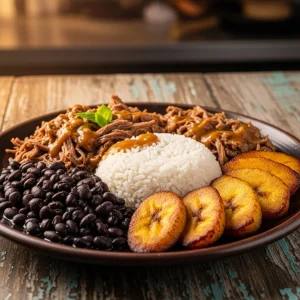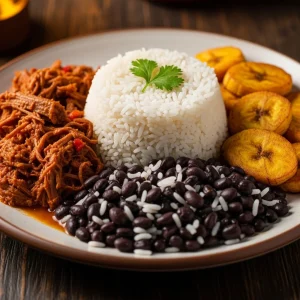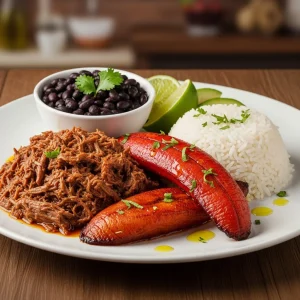

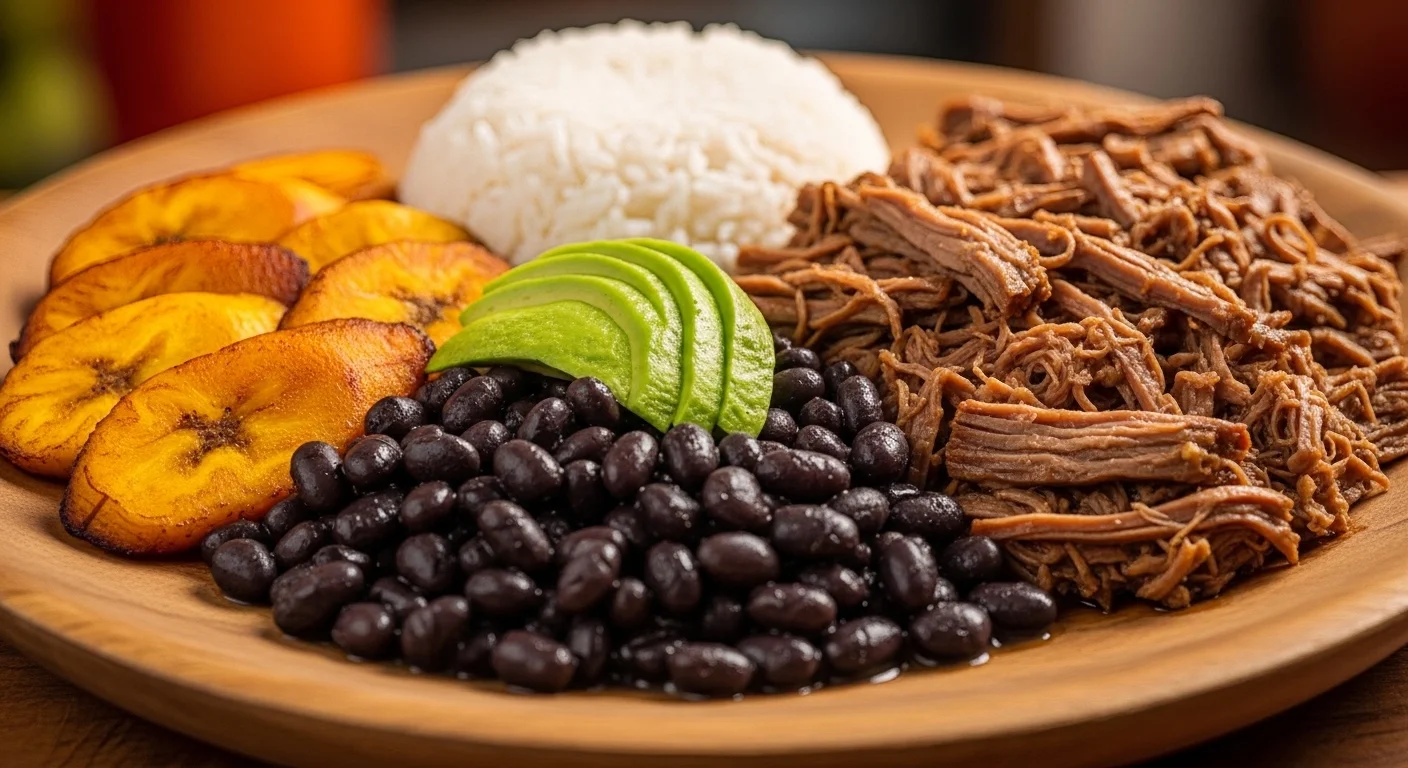
Nestled at the heart of Venezuela’s vibrant culinary heritage lies a dish as colorful and rich as the country itself, Pabellón criollo. Often hailed as the nation’s most beloved meal, this iconic plate weaves together a tapestry of flavors that tell a story of history, culture, and tradition. From tender shredded beef simmered in savory spices to fluffy white rice, black beans bursting with earthy goodness, and sweet fried plantains adding their golden touch, Pabellón Criollo is more than just food, it is a flavorful celebration of Venezuela’s identity on a plate. Join us as we unveil the origins, ingredients, and cultural meaning behind this national treasure, and discover why Pabellón Criollo continues to capture the hearts and palates of locals and food lovers around the world.
prep and Cook Time
- Readiness: 25 minutes
- cooking: 2 hours
- Total time: 2 hours 25 minutes
yield
Serves 4 hearty portions
Difficulty Level
Medium – Patience rewards the slow-cooked flavors
Key Ingredients
- 2 lbs flank steak or brisket, trimmed and cut into chunks
- 1 large onion, finely chopped
- 4 garlic cloves, minced
- 1 red bell pepper, diced
- 2 cups dried black beans, soaked overnight
- 4 cups water or beef broth
- 2 cups long-grain white rice, rinsed
- 3 ripe plantains, peeled and sliced diagonally
- 2 tbsp vegetable oil, plus extra for frying
- 1 tsp ground cumin
- 1 tsp smoked paprika
- Salt and freshly cracked black pepper, to taste
- 1 bay leaf
- 1 tbsp white vinegar
- Fresh cilantro (for garnish)
Instructions
- Prepare the shredded beef: In a large pot, heat 2 tbsp vegetable oil over medium heat. Add the chopped onion, minced garlic, and diced red bell pepper. Sauté until fragrant and the onion is translucent, about 5 minutes. Stir in cumin, paprika, salt, and pepper.
- Add the beef chunks to the pot, searing on all sides until browned – this locks in deep flavor. Pour in water or beef broth to cover the meat, add bay leaf, and bring to a simmer.
- Reduce heat to low, cover, and cook gently for 2 hours, or until the beef is tender and easy to shred. Remove meat and shred finely using two forks. Return shredded beef to the pot, stir in white vinegar for brightness, and keep warm.
- Cook the black beans: drain the soaked beans. In a separate pot, cover beans with fresh water and add a pinch of salt. Boil, then simmer for 1-1.5 hours until tender but not mushy. Drain and set aside; reserve some cooking liquid.
- Prepare the rice: Rinse rice under cold water until clear. In a pot, bring 4 cups water to a boil, add a pinch of salt, and stir in rice. Lower heat, cover, and cook for 15-18 minutes or until fluffy and cooked through.
- fry the plantains: Heat oil in a skillet over medium heat. Add plantain slices in batches, frying until golden brown and caramelized on both sides, about 2 minutes per side. Drain on paper towels to remove excess oil.
Chef’s Notes
- For a smoky depth, try adding a piece of smoked pork or bacon when cooking the beef.
- Use canned black beans if short on time; rinse and warm through with garlic and cumin.
- Make the shredded beef a day ahead – flavors intensify overnight, making the dish more luscious.
- Substitute white rice with yellow rice or coconut rice for regional flair.
- Ensure plantains are ripe (yellow with black spots) for the ideal mix of sweetness and softness.
Serving Suggestions
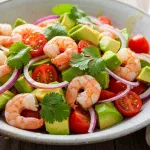
Arrange your plate with a generous scoop of fluffy rice, a hearty pile of savory shredded beef, a side of black beans glistening with their soul-soothing broth, and a fan of golden fried plantains. Garnish with fresh cilantro leaves and accompany with a wedge of lime for a shining, zesty contrast. For authentic enjoyment, serve alongside arepas or a fresh avocado salad.
Nutritional Facts
| Component | Amount per Serving |
|---|---|
| Calories | 550 kcal |
| Protein | 42 g |
| Carbohydrates | 55 g |
| Fat | 14 g |
explore more about Venezuelan cuisine and its treasures like National Geographic’s cultural insights.
Q&A
Q&A: pabellón Criollo – Venezuela’s flavorful National Treasure Unveiled
Q1: What exactly is Pabellón Criollo?
A1: Pabellón Criollo is Venezuela’s iconic national dish, a vibrant tapestry of flavors that mirrors the country’s rich cultural heritage. At its heart, it’s a hearty plate featuring shredded stewed beef (carne mechada), black beans, white rice, and sweet fried plantains, a harmonious blend that tells a story with every bite.
Q2: Why is Pabellón Criollo considered a national treasure in Venezuela?
A2: More than just a meal, Pabellón Criollo is a culinary emblem of Venezuelan identity. Each component reflects diverse influences, Indigenous, African, and Spanish, making it a tasty symbol of unity, history, and pride. It’s often the centerpiece of family gatherings, celebrations, and communal festivities.
Q3: What makes the carne mechada special in Pabellón Criollo?
A3: Carne mechada is the soul of the dish. The beef is slow-cooked until tender, then shredded finely and simmered in a savory sauce of tomatoes, onions, peppers, garlic, and spices. This slow, loving preparation infuses the meat with deep, rich flavors and a melt-in-your-mouth texture that’s impractical to resist.
Q4: How do the black beans contribute to the dish?
A4: Black beans add a creamy, earthy balance to Pabellón Criollo. Often cooked with hints of garlic, onion, and sometimes a splash of smoky chorizo or bacon, the beans provide a nutritious, hearty counterpoint to the beef and a perfect partner for the fluffy white rice.
Q5: What role do the sweet fried plantains play in this culinary symphony?
A5: The fried plantains, or “tajadas”, offer a delightful sweetness and a crisp-carameled exterior that contrasts spectacularly with the savory components. They add texture, color, and a touch of tropical sunshine to the plate, making the dish both balanced and exciting.
Q6: Are there regional variations of Pabellón Criollo within Venezuela?
A6: certainly! While the foundational elements remain consistent, some regions add their own flair, like the inclusion of spicy peppers, different beans, or variations in seasoning. Coastal areas might incorporate seafood touches, while Andean regions may add local vegetables, all enriching the dish’s diverse legacy.
Q7: How is Pabellón Criollo traditionally served and enjoyed?
A7: Traditionally, Pabellón Criollo is plated with care, rice forms the base, black beans nestle beside it, topped with a generous mound of carne mechada, and crowned with golden fried plantains. It’s eaten with a fork and spoon, frequently enough accompanied by a fresh salad or arepas (cornmeal patties), and shared among family and friends to celebrate Venezuela’s culinary soul.
Q8: Can non-Venezuelans easily recreate Pabellón Criollo at home?
A8: Absolutely! While some ingredients might require a little searching, the dish’s components are accessible worldwide. With patience and love, anyone can craft this flavorful masterpiece in their kitchen, savoring a taste of Venezuela’s warmth and heritage no matter where they are.
Q9: Why should travelers and food enthusiasts seek out Pabellón Criollo?
A9: Sampling Pabellón Criollo isn’t just about satisfying hunger, it’s about immersing oneself in Venezuela’s history, culture, and spirit through food. Each bite connects you to generations of stories, traditions, and the passion that make Venezuelan cuisine truly unforgettable.
Q10: What makes Pabellón Criollo endure as a beloved dish across generations?
A10: Its magic lies in its perfect balance of flavors, textures, and cultural significance. Pabellón Criollo is more than nourishment; it’s a delicious homage to the Venezuelan heart, a dish that carries memories, family bonds, and national pride from one generation to the next, ensuring its place forever as a true national treasure.
in Retrospect
From its vibrant colors to its harmonious blend of flavors, Pabellón Criollo stands as more than just a dish, it is a savory symphony that tells the story of Venezuela’s rich cultural tapestry. Each ingredient, from the tender shredded beef to the sweet plantains and fragrant black beans, invites you to experience a piece of Venezuelan heritage on your plate. As you savor every bite, remember that Pabellón Criollo is not only a meal but a celebration of tradition, resilience, and the warm spirit of a nation. Whether enjoyed at a family gathering or discovered in a bustling Caracas market, this national treasure continues to unite palates and hearts alike, proving that food is indeed one of the most delicious ways to explore a country’s soul.