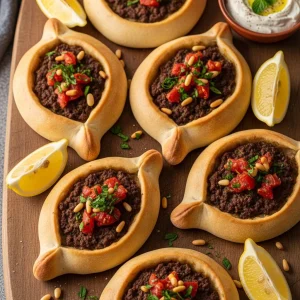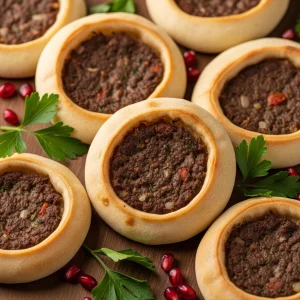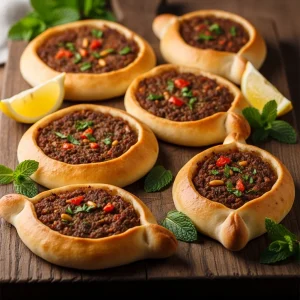

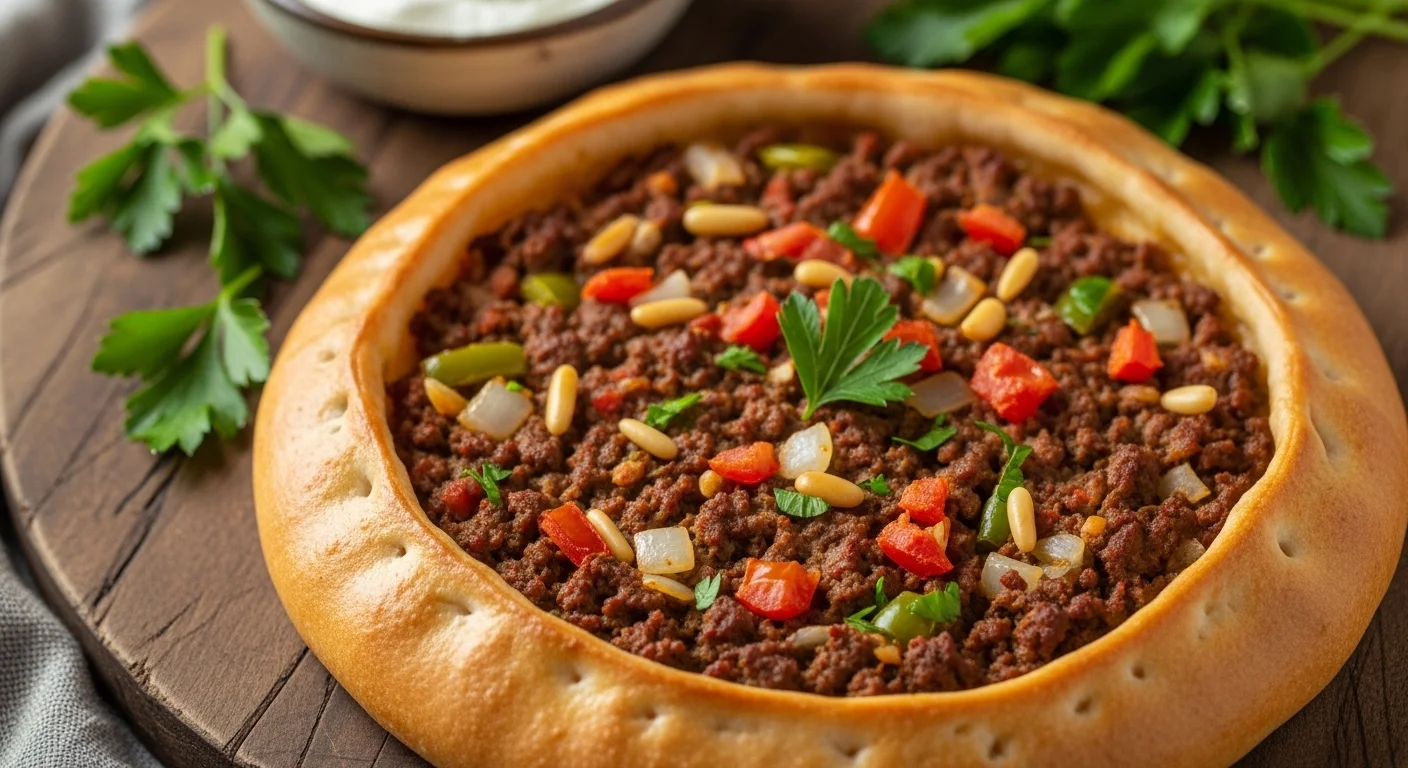
Nestled within the vibrant tapestry of Middle Eastern cuisine lies a humble yet irresistibly flavorful treasure: the sfiha. Often described as a savory pie or open-faced meat pastry, sfiha carries centuries of culinary tradition folded into each tender bite. From bustling street markets to family tables, this aromatic dish evokes the warmth of home and the richness of cultural heritage. In this article, we embark on a delicious journey to explore the origins, variations, and distinctive flavors of sfiha, uncovering why this unassuming pie has captured the hearts and palates of food lovers around the world.
Sfiha offers a tantalizing glimpse into the rich culinary heritage of the Middle East, where tender dough cradles savory fillings brimming with fragrant spices and fresh ingredients. This beloved flatbread pie, often hailed as a timeless street food, originates from Levantine kitchens, uniting families around warm ovens and aromatic spices. Whether shared at a bustling market stall or savored in an intimate home setting, sfiha captures the spirit of hospitality and tradition that define Middle Eastern cuisine.
Prep and Cook Time
- Preparation: 30 minutes
- Resting Time: 1 hour (for dough rise)
- Cooking: 15-20 minutes
- Total Time: Approximately 1 hour 45 minutes
Yield
Makes 12 medium-sized sfiha pies (serves 4-6)
difficulty Level
Medium – Requires basic dough handling and filling assembly skills
Ingredients
- For the Dough:
- 3 cups all-purpose flour, sifted
- 1 cup warm water (about 110°F/43°C)
- 2 teaspoons instant yeast
- 1 teaspoon sugar
- 1 teaspoon salt
- 2 tablespoons olive oil
- For the Classic Beef Filling:
- 1 lb ground lean beef
- 1 small onion, finely diced
- 2 tablespoons pine nuts, lightly toasted
- 1 medium tomato, finely chopped
- 2 tablespoons tahini
- 2 teaspoons ground allspice
- 1 teaspoon ground cinnamon
- ½ teaspoon ground black pepper
- Salt to taste
- 2 tablespoons chopped fresh parsley
- 1 tablespoon lemon juice
- 2 tablespoons olive oil
Instructions
- Prepare the Dough: In a large bowl, dissolve sugar and yeast in warm water. Let it sit for 5-7 minutes until frothy, indicating the yeast is active.
- Mix Ingredients: Add sifted flour, salt, and olive oil to the yeast mixture. Stir until a rough dough forms.
- Knead: Transfer the dough to a lightly floured surface and knead vigorously for 8-10 minutes until smooth and elastic. You’ll feel the dough soften and become pliable as gluten develops.
- First Rise: Place dough in a lightly oiled bowl, cover it with a damp cloth, and let it rise in a warm place for about 1 hour, or until doubled in size.
- prepare the Filling: While the dough rises, heat olive oil in a skillet over medium heat. Add diced onions and sauté until golden brown, about 5 minutes, stirring occasionally.
- Add Beef and Spices: Stir in the ground beef, breaking it up with a wooden spoon. Cook until browned, about 8 minutes. Add allspice, cinnamon, black pepper, and salt; cook for another 2 minutes to blend the flavors.
- Finish Filling: Remove from heat. Let mixture cool slightly, then stir in chopped tomatoes, pine nuts, tahini, parsley, and lemon juice for a bright finishing touch.
- Shape dough Balls: Punch down the dough and divide into 12 equal portions. Roll each into a smooth ball and flatten into an oval shape about 5 inches long and 3 inches wide.
- Assemble Sfiha: Place about 2 tablespoons of filling onto each oval, spreading evenly but leaving edges clear. Fold the corners toward the center, pinching lightly to create an open-faced “boat” shape.
- Bake: Preheat the oven to 425°F (220°C). Arrange sfiha on a parchment-lined baking sheet, leaving room for expansion. Brush edges lightly with olive oil for a golden crust. Bake for 15-20 minutes or until golden and cooked through.
- Serve Warm: Let cool slightly on a wire rack before serving to set the luscious juice within the filling.
Tips for Success
- For an airy yet crisp dough, ensure the water is warm but not hot, between 105°F and 115°F (40°C-46°C), to activate yeast without killing it.
- Substitute ground lamb for beef to echo traditional Levantine variants that emphasize tender, slightly fattier meat.
- Add a pinch of sumac or a drizzle of pomegranate molasses atop before baking for a tangy, modern twist on sfiha’s flavor profile.
- Make dough a day in advance; refrigerate overnight to develop deeper flavors. Bring to room temperature before shaping.
- Toast pine nuts gently in a dry skillet until golden and fragrant to bring out richness without bitterness.
- Use a food processor to finely chop vegetables uniformly, ensuring every bite delivers balanced texture and taste.
- Don’t overfill sfiha to prevent soggy bottoms. Keep filling moderate and evenly distributed.
Serving Suggestions
Present these savory pies on a rustic wooden board lined with parchment paper for an inviting Middle Eastern mezze experience. Garnish with freshly chopped parsley and a few wedges of lemon for guests to squeeze over warm sfiha pies. Pair with a side of cool yogurt tahini dip or a vibrant fattoush salad to balance the warm spice notes. For a festive occasion, assemble a sfiha platter alongside stuffed grape leaves, hummus, and tabbouleh for a colorful, textural feast.
| Nutrient | Per Serving (2 Sfiha) |
|---|---|
| Calories | 320 kcal |
| Protein | 18 g |
| Carbohydrates | 28 g |
| Fat | 14 g |
Discover more about the vibrant flavors and history of Middle Eastern cuisine in our related article: Falafel: the Ultimate Middle Eastern Delight. For authentic spice blends that elevate your sfiha, explore trusted sources such as Serious Eats’ Spice Guide to deepen your flavor knowledge and cooking confidence.
Q&A
Q&A: Sfiha – Exploring the Savory Flavors of Middle Eastern Pies
Q: What exactly is sfiha?
A: Sfiha is a delightful Middle eastern pie, frequently enough described as a savory open-faced pastry brimming with flavorful toppings. Originating centuries ago, it’s a culinary gem from the Levant region, especially popular in countries like Lebanon, Syria, and Palestine. Think of it as a perfect marriage between fresh dough and a symphony of spiced meats, herbs, and sometimes tangy toppings, baked to golden perfection.
Q: How does sfiha differ from other Middle Eastern pastries like manakish or fatayer?
A: While sfiha shares common ground with manakish and fatayer as hand-held pies or flatbreads, it’s its unique toppings and shape that make it stand out. Unlike manakish, which commonly feature za’atar or cheese spreads, sfiha often centers around minced lamb or beef mixed with pine nuts, onions, and exotic spices. Fatayer, conversely, are typically folded or stuffed pastries, whereas sfiha is traditionally open-faced with edges pinched up like little boats.
Q: What ingredients give sfiha its signature flavor?
A: The soul of sfiha lies in its filling-a finely minced lamb or beef mixture seasoned with a blend of warm spices like allspice, cinnamon, and sometimes sumac or pomegranate molasses for a subtle tang. Fresh onions, garlic, and pine nuts add texture and depth. The dough, soft yet slightly crispy when baked, acts as the perfect canvas for these robust flavors.
Q: Is sfiha always meat-based? Are there vegetarian versions?
A: While the classic sfiha traditionally features minced meat, many modern cooks and home chefs have creatively adapted the recipe to suit vegetarian and vegan diets. Spinach and feta cheese, mushrooms sautéed with spices, or lentil-based fillings are popular alternatives that maintain the dish’s savory integrity while catering to diverse palates.
Q: How is sfiha traditionally prepared and served?
A: Traditionally, sfiha is hand-shaped by pinching the dough’s corners upward to cradle the meat filling, creating a charming little open pie. It’s then baked in a hot oven until the dough is golden and the topping is juicy and aromatic. Served warm, sfiha is often enjoyed as a street food snack, appetizer, or part of a mezze spread alongside hummus, tabbouleh, and fresh salads.
Q: Can sfiha be found outside the Middle East?
A: Absolutely! Thanks to Middle Eastern diaspora communities, sfiha has spread globally and can be found in bakeries, markets, and restaurants from Brazil to Australia. Each locale adds its own twist, whether through variations in dough, fillings, or accompanying sauces, enriching the sfiha’s culinary story worldwide.
Q: What drinks or accompaniments pair well with sfiha?
A: Sfiha’s rich and savory profile pairs beautifully with refreshing, tangy accompaniments such as a cooling cucumber yogurt sauce (tzatziki), pickled turnips, or a squeeze of fresh lemon. As for drinks, mint tea complements the spices wonderfully, balancing richness with a refreshing finish.
Q: Why is sfiha an significant culinary symbol in Middle Eastern culture?
A: Beyond its delicious taste, sfiha represents hospitality, tradition, and the deep-rooted connection between food and community in Middle Eastern culture. Sharing sfiha during gatherings or celebrations is a way to honor heritage and create bonds, one savory pie at a time.
Q: Ready to try making sfiha at home? Any tips?
A: Absolutely! Start with a simple yeasted dough-soft and elastic is key. For the filling, finely mince your choice of meat or vegetables and season boldly but balanced. Don’t overload the pies; a thin layer of filling bakes more evenly. Experiment with pinching the edges to form those iconic boat shapes, and bake at a high temperature to achieve that perfect golden crust. Most importantly, savor the process, making sfiha is as much about the joy of creation as it is indeed about the delicious result.
Insights and Conclusions
As the enticing aroma of freshly baked sfiha lingers in the air, it’s clear that these Middle Eastern pies are more than just a meal, they are a party of culture, history, and flavor. From the tender, spiced meat fillings to the golden, crisp crusts, each bite tells a story of tradition passed down through generations. Whether enjoyed as a street food snack or a centerpiece at a festive gathering, sfiha invites us to savor the rich tapestry of Middle Eastern cuisine. So next time you crave something savory and soulful, let sfiha transport your taste buds on a delicious journey across the Mediterranean and beyond.