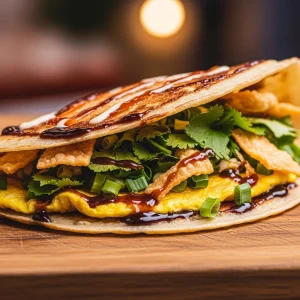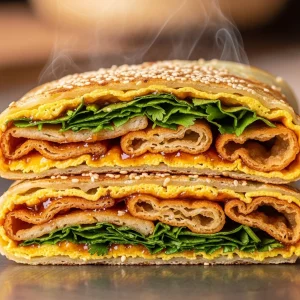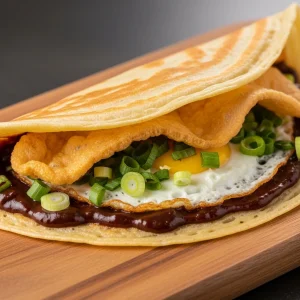

Amid the bustling streets of China, a sizzling aroma wafts through the air, drawing hungry passersby to a humble cart where golden batter meets a symphony of savory fillings. This is Jianbing, a beloved street food that marries the delicate crispiness of a crepe with bold, flavorful twists that awaken the senses. Often hailed as China’s answer to breakfast perfection, Jianbing transforms simple ingredients into a culinary masterpiece, offering a crispy crackle beneath layers of fresh herbs, spicy sauces, and crunchy surprises. In this article, we’ll explore the origins, artistry, and enduring popularity of Jianbing, uncovering why this savory street crepe has captured the hearts and stomachs of millions across China and beyond.
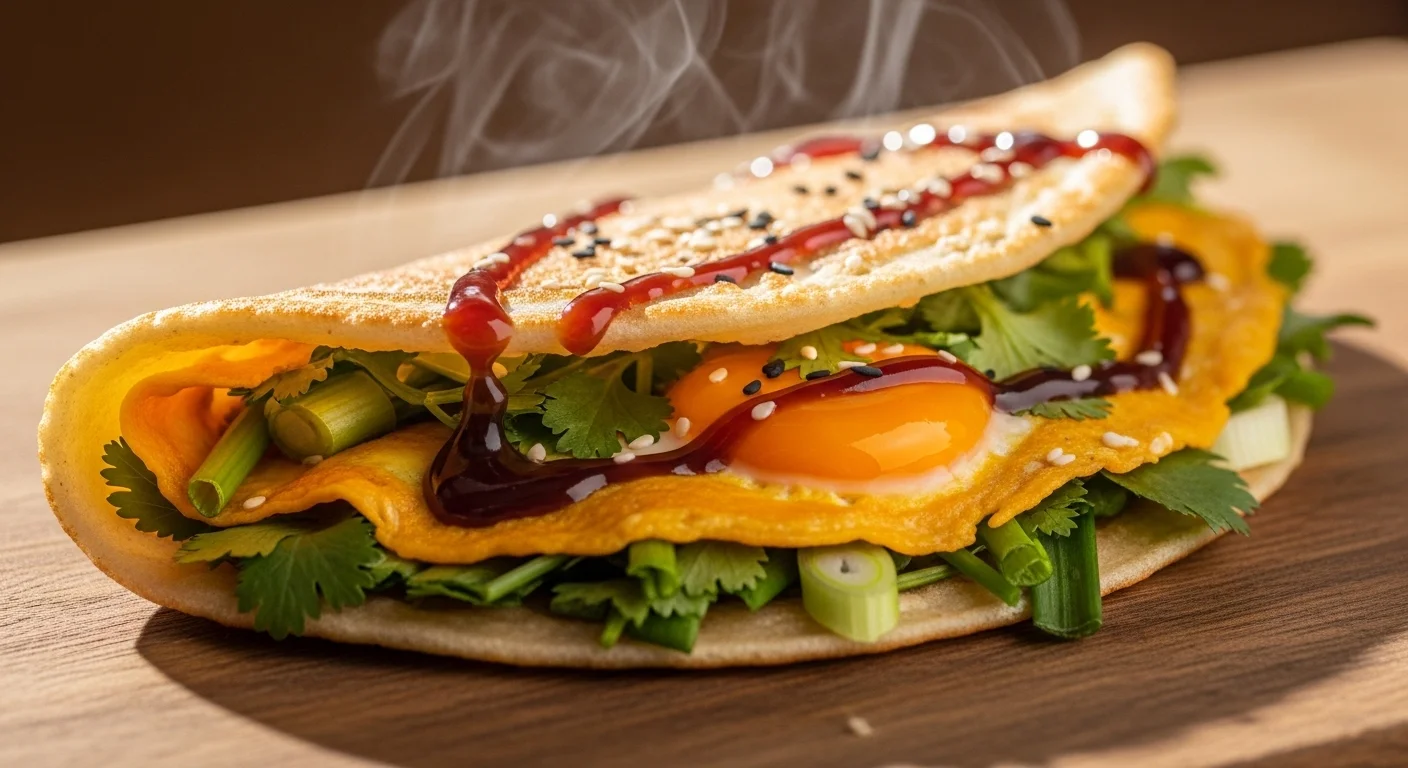
Jianbing, China’s iconic savory street crepe, charms with its multi-layered textures and mesmerizing flavors. This culinary marvel originated from Tianjin and quickly captured the taste buds of millions across the country, becoming a morning staple paired with creativity and local flair. Its thin, crispy layers combined with aromatic fillings create a harmony of crunch, softness, and spice-the very essence that defines the flavor complexity in every bite.
Prep and Cook Time
- Readiness: 15 minutes
- Cook Time: 10 minutes
- Total Time: 25 minutes
Yield
Serves 2 Jianbing crepes
Difficulty level
Medium - requires practice layering and timing for perfect crispiness
Ingredients
- 1 cup all-purpose flour, sifted
- 1/3 cup mung bean flour (or substitute with chickpea flour for a different texture)
- 1 1/4 cups water, room temperature
- 2 large eggs
- 2 tbsp vegetable oil, plus extra for frying
- 2 scallions, finely chopped
- 1/4 cup fresh cilantro, roughly chopped
- 2 sheets crispy wonton wrappers or fried crackers, crushed
- 2 tbsp hoisin sauce
- 2 tbsp chili garlic sauce
- 2 tbsp finely crushed peanuts (optional)
- salt to taste
instructions
- Make the batter: In a mixing bowl, combine the all-purpose flour and mung bean flour. Gradually whisk in water until smooth and pourable, resembling thin pancake batter. Let it rest for 5 minutes.
- Prepare the pan: Heat a large non-stick skillet or crepe pan over medium heat and lightly brush with vegetable oil.
- Cook the crepe base: Ladle about 1/3 cup batter into the pan, swirling it quickly to form a thin, even layer. Cook for about 1 minute until the edges lift slightly.
- Add the egg: Crack one egg directly over the crepe and use a spatula to gently spread it evenly across the surface. Allow to cook 1-2 minutes, until the egg whites have set but the yolk remains slightly runny.
- Layer aromatics and crunch: Sprinkle chopped scallions and cilantro liberally over the crepe. Press the crushed crispy wonton sheets evenly on top for that signature crunch.
- Flip with care: Using a wide spatula, carefully flip the entire crepe so the egg-cooked side is down and the crispy layer toasts lightly for 30 seconds.
- Apply sauces: Turn crepe back over, spread a thin layer of hoisin sauce and chili garlic sauce on the exposed surface. Add crushed peanuts if desired for added texture.
- Fold and finish: Fold the crepe into thirds or rolls. Serve immediately while still warm and crisp.
Tips for Success
- For an authentic jianbing flavor and texture, use mung bean flour-it delivers the characteristic chewiness and golden color.
- Keep the batter thin; a thick crepe loses its delicate layering and can become doughy.
- If your pan is too hot, the crepe will burn before cooking through. Medium heat is key for crisp, elastic results.
- Experiment with fillings such as pickled radishes, sliced cucumbers, or even crispy fried dough sticks for regional twists.
- Make ahead tip: Batter can be refrigerated up to 24 hours, stir well before use.
Exploring Regional Twists: how Jianbing Varies Across China’s Street Markets
While the northern Tianjin version remains the classic, southern cities like Chengdu offer spicy Sichuan peppercorn-infused sauces, and Shanghai favors sweet soy. These twists highlight how versatile Jianbing can be inflecting local culinary identity while keeping its signature layers crisp and vibrant.
Enhancing Your Taste Experience: Pairing Jianbing with Traditional Sauces and Sides
Elevate your Jianbing experience by pairing it with a cold soy milk or freshly brewed jasmine tea. Traditionally, spicy chili oil or fermented bean paste layered inside provides a fiery kick balanced by the fresh herbs. Offer side dips of sweet soy sauce or sesame paste for dipping pieces, and add pickled vegetables to cut through the richness.
Where to Find the Best Jianbing: Top Street Vendors and Hidden Gems to Savor
China’s bustling street markets, from Beijing’s Wangfujing to Chengdu’s Jinli ancient street, hide unbelievable Jianbing variations. Vendors known for their perfectly layered crepes often maintain recipes passed through generations, balancing classic and innovative ingredients. For an immersive street food journey, seek out spots recommended by locals, or check online platforms like LaViage markets for verified vendor lists.
Serving Suggestions
- Plate your Jianbing on a wide ceramic dish, garnished with fresh cilantro sprigs and extra crushed peanuts for visual appeal.
- Serve alongside small dipping bowls with additional hoisin and chili garlic sauces.
- Accompany with a refreshing cucumber salad or pickled radishes to add a crisp, tangy contrast.
| Nutrient | Per Serving |
|---|---|
| Calories | 280 kcal |
| Protein | 11 g |
| Carbohydrates | 36 g |
| Fat | 9 g |
Q&A
Q&A: Jianbing - China’s Savory Street Crepe with a Crispy Twist
Q: What exactly is Jianbing?
A: Jianbing is a beloved Chinese street food that’s best described as a savory crepe with an irresistible crispy texture. Originating from northern China, especially Tianjin, its a thin pancake cooked on a griddle, layered with eggs, scallions, cilantro, and a variety of flavorful sauces, then folded around crunchy ingredients like fried crackers or wonton skins. It’s the perfect handheld breakfast or snack-warm, crispy, savory, and utterly satisfying.
Q: How is Jianbing different from Western crepes?
A: While Western crepes frequently enough lean toward sweet or delicate fillings, Jianbing is boldly savory, packed with layers of umami and spice. Plus, the crispy element, a fried cracker or wonton skin tucked inside, offers a delightful textural contrast that Western crepes typically lack. It’s more than a crepe; it’s a harmonious blend of soft, crispy, tangy, and spicy in every bite.
Q: What ingredients give Jianbing its signature flavor?
A: The magic lies in the combination of the thin batter (usually wheat and mung bean flour),freshly cracked egg spread over the griddle, aromatic scallions and cilantro, plus sauces like hoisin, chili paste, and sometimes sweet bean or soy sauces. The savory crunch from fried crackers or crispy wonton skins rounds out the experience, making each Jianbing a flavor-packed adventure.
Q: How is Jianbing traditionally cooked?
A: Jianbing is made fresh-to-order on large, round griddles heated over an open flame or electric stove. The batter is spread thinly in a circular shape, then an egg is cracked and spread on top while it cooks. Seasonings and herbs are sprinkled on, sauces are drizzled, and the crunchy element is placed before folding it all up into a neat, portable bundle. Watching a vendor expertly flip and fold each Jianbing is culinary theatre in motion!
Q: Why is Jianbing so popular in China?
A: Jianbing is the quintessential grab-and-go breakfast for busy urbanites, offering a fast, affordable, and appetizing way to start the day. Its balance of flavors and textures appeals to all ages, and its street vendors create a vibrant food culture scene. Beyond convenience, Jianbing embodies comfort-warm, filling, and full of familiar tastes that evoke home and tradition.
Q: Has Jianbing evolved beyond China?
A: Absolutely! Jianbing has captured the hearts and palates of food lovers worldwide, inspiring modern twists and fusion variations. In international cities, you might find Jianbing filled with creative ingredients like cheese, bacon, or even plant-based options. Yet, no matter the innovation, the essence, a crispy, savory crepe that’s fast, fresh, and flavorful, remains intact.
Q: If I want to try making Jianbing at home, what should I keep in mind?
A: The key is to get the batter consistency just right, thin enough to spread smoothly but sturdy enough to hold fillings. Use a large, flat skillet or griddle to mimic street vendor conditions, and don’t skimp on the crispy layers; they’re essential for that trademark crunch. Experiment with your favorite sauces and fillings, but honor the balance of fresh herbs, umami richness, and spice that defines Jianbing’s soulful character.
Q: Where’s the best place to eat Jianbing in China?
A: For a truly authentic experience, head to street food markets in northern cities like Tianjin, Beijing, or Shenyang. Vendors there often have their own secret sauce blends and special techniques passed down through generations. Early morning markets are the ideal time, when the air is crisp, the streets buzz with energy, and the scent of sizzling Jianbing fills the air. It’s a breakfast ritual worth waking up for!
Embark on a culinary journey with Jianbing, the crispy, savory street crepe that’s more than food, it’s a crunchy celebration of Chinese street culture. Whether savored on bustling city streets or crafted in your kitchen, Jianbing invites you to experience the perfect bite packed with history, flavor, and flair.
Final Thoughts
As the sun rises over bustling Chinese streets, the sizzle of a Jianbing griddle signals more than just breakfast, it beckons a centuries-old tradition wrapped in crispy layers and savory flavors. This humble street crepe, with its perfect harmony of textures and tastes, offers a delicious glimpse into China’s vibrant culinary tapestry. Whether you find yourself savoring a Jianbing from a busy market stall or trying your hand at folding one at home, this crispy, flavorful delight reminds us that sometimes, the simplest foods carry the richest stories. So next time hunger strikes, let Jianbing be your passport to an authentic bite of China’s spirited street food culture.